Deconstructing the KRUPS Divine: The Science Behind Your First Great Espresso

KRUPS XP444C50 Espresso Machine
The morning alarm sounds, and the first thought is not about the day ahead but about the cup that will start it. For millions of people, that cup is espresso, a concentrated shot of coffee that delivers both caffeine and comfort in a single sip. The problem is that cafe espresso comes with a cafe price tag, and the quality of home-brewed espresso often falls short of what a professional machine can produce. The KRUPS XP444C50 Espresso Machine (ASIN B0CJS1LWH9) attempts to bridge that gap, offering SCA-certified quality at a price that makes home espresso accessible without a second mortgage.

The evolution of home espresso
Espresso as we know it began in 1884, when Angelo Moriondo patented the first instantaneous coffee machine in Turin, Italy. His design used steam pressure to push hot water through coffee grounds, cutting brewing time from about 5 minutes to roughly 1 minute. The idea was radical, but the execution was rough. Early machines produced bitter, scorched coffee because steam pressure topped out at about 1.5 to 2 bars, and the water temperature was hard to control.
Two Milanese businessmen, Luigi Bezzera and Desiderio Pavoni, refined the concept. Bezzera added improvements that made single servings practical, and Pavoni marketed the result as the Ideale. At the 1906 Milan Fair they introduced what is widely described as the first caffe espresso, coffee made expressly on the spot. The word itself points to both speed and method: espresso means pressed out, or made to order.
Achille Gaggia delivered the next leap in the 1940s. He replaced steam with a spring-piston lever: the barista pulled a lever, a spring drove the piston, and water hit the coffee at an unprecedented 8 to 10 bars. That force pulled oils and colloids out of the grounds that steam could never reach, and the result was crema, the golden foam that defines a modern shot. Gaggia's lever also gave the world the phrase pulling a shot.
In 1961 the Faema E61 swapped the manual lever for a motor-driven pump that could hold 9 bars, the figure that became the industry's gold standard. The E61 also introduced a heat exchanger for steadier brewing temperatures. Nearly every semi-automatic machine sold today, including the one on your counter, descends from that design. Each generation solved a different problem: speed for Moriondo, the single serving for Bezzera, extraction quality for the Gaggia lever, and repeatability for the E61. That lineage is worth knowing because it explains why this machine follows the shape it does.
Understanding pressure: the 15-bar pump
Pressure is the most misunderstood number on an espresso spec sheet. The machine advertises a 15-bar pump, which sounds like more power than anyone needs, and in a sense it is. After a century of experimentation, the coffee world settled on 9 bars as the target for balanced extraction. Forcing water through a puck at 15 bars would rip through the coffee too fast, pulling harsh, bitter compounds instead of sweetness.
The 15-bar figure describes the pump's maximum output, not the pressure at the puck. Proper espresso machines, this one included, use an over-pressure valve (OPV) that bleeds off the extra force and holds the water at or near the 9-bar target. It is a small part doing quiet, important work: without it, shots would be reliably undrinkable.
So why advertise 15 bars at all? Big numbers sell. The figure that matters most is stability across the shot. A pump that holds 9 bars for the full 25 to 30 seconds of an extraction will beat one that wanders between 7 and 12 bars, no matter what the label claims. The pump is tuned for steady delivery, and its SCA certification gives the claim independent backing: the machine meets the specialty coffee industry benchmark for extraction quality.
The thermoblock heating system
The heating system is the second big choice in an entry-level machine. The XP444C50 uses a thermoblock, which flash-heats water on demand as it passes through a narrow channel in a metal block. The machine measures 12.87 inches deep, 6.38 inches wide, and 14.65 inches (37.2 cm) tall, and it weighs 8.2 lb (3.7 kg). Its heating element draws 1350 W, and the internal layout keeps the whole package down to a compact footprint that fits easily on a countertop.
Speed is where this design pays off. The thermoblock is ready to brew in under 1 minute, and it heats only the water being used, which wastes far less energy than keeping a boiler hot all morning.
The trade-off is temperature behavior. As cold water flows through the block, it can cool the metal slightly, so brew temperature may drift a little across a shot. Steam is another compromise: thermoblocks tend to produce wetter, less powerful steam, which makes silky microfoam harder to build. A traditional boiler does the opposite, holding a large tank of water at a rock-steady temperature with dry, forceful steam, in exchange for a warm-up that can run 15 to 30 minutes and a much larger footprint.
Deconstructing the home barista's dilemma comes down to that split. A thermoblock machine like this one suits the person who wants a great latte in 5 minutes. A boiler machine suits the hobbyist who builds a 20-minute preheat ritual into the morning to chase perfection. Neither is better in the abstract; they answer different priorities.
SCA certification and blooming technology
The machine carries SCA certification, meaning the Specialty Coffee Association tested it and confirmed it brews within the industry's temperature and pressure tolerances. That badge is uncommon in the entry-level bracket, and it separates this model from competitors that make similar claims without any independent verification.
The machine also features blooming technology built around a 5-hole shower head. Before full pressure arrives, a small amount of water pre-infuses the puck, letting the grounds bloom and release trapped carbon dioxide. A puck that has degassed evenly resists channeling, and the payoff shows up in the cup: sweeter, more balanced shots with less bitterness.
Practical operation and controls
Operating the machine is intentionally straightforward. Press the one-cup or two-cup button and the automatic flow-stop dispenses a preset volume, then stops on its own. That removes a major variable for anyone still learning to judge extraction by eye, and owners who want more control can program a custom volume instead. A single shot of espresso calls for roughly 7 g of finely ground coffee, so the presets line up with a standard dose once the puck is tamped and locked in.

A cup warmer sits on the top surface, a feature that is genuinely rare at this price. Preheating a cup is not a luxury: a cold cup pulls heat out of a fresh shot within seconds, muting both flavor and aroma. Keeping the cup warm on the machine means the espresso lands at the temperature it was brewed to.
The keep-warm function holds brewed coffee for up to 2 hours, signaled by a slow, soft breathing light on the ON/OFF button. A fast, bright blink means it is time to descale. That alert matters more than it sounds, because the thermoblock's narrow channels are exactly where limescale does its damage.
A weekday morning with the KRUPS XP444C50
Picture a weekday morning when the machine is cold and the clock is short. The 1350 W heating element brings the thermoblock up to brewing temperature in under a minute, so there is no long warm-up to plan around. Press the one-cup button once and the automatic flow-stop delivers a preset shot; the two-cup setting does the same when a second cup is needed. Milk drinkers can then turn to the steam wand for a cappuccino, and the whole routine fits inside an ordinary coffee break.
Milk frothing and the steam wand
For many home baristas the espresso is just the base, and the milk is where drinks are won or lost. The machine pairs with a manual steam wand, which gives the operator full control of the texturing process. The thermoblock's limits show up here first: milk takes longer to texture than on a boiler machine, and building glossy microfoam demands practice. Daily cappuccinos are well within reach; detailed latte art will take patience.
The wand sits at a comfortable angle, and steam pressure is enough for whole milk. Owner reviews suggest a few weeks of fine-tuning before the results become repeatable. The technique is standard: start with cold milk, purge the wand to clear condensation, keep the tip just below the surface, and let the vortex pull air in evenly.
Maintenance and longevity
Espresso machines reward care, and this one is no exception. The brew head, portafilter, and drip tray need regular cleaning to keep coffee oils from building up, and the steam wand should be purged and wiped after every use. Descaling is the non-negotiable task: the manufacturer recommends descaling at least every 3 months to keep limescale out of the thermoblock.

The water-contact parts are removable, which makes the cleanup routine far easier than on machines with fixed components, though KRUPS advises washing the espresso accessories by hand rather than in a dishwasher. The included filter is reusable, so there are no paper filters to replace. Using filtered water remains the best preventative step, since fewer minerals in the water means slower scale buildup and a longer life for the heating block.
The stainless steel aroma tube is a small detail worth mentioning. It preserves heat and routes aroma toward the pour, which sharpens the sensory side of the ritual.
Competitive positioning
The machine competes most directly with the Breville Bambino and the De'Longhi Stilosa. The Bambino is the performance pick of the trio, with a more advanced heating system for steadier temperatures and a stronger steam wand, which makes it the choice for anyone determined to master latte art. The Stilosa targets the bottom of the price range, and that shows up as inconsistent performance and lighter build quality.
The XP444C50 splits the difference. It steps up from the Stilosa in materials and finish, with a stainless steel chassis and SCA certification, and it adds beginner-friendly automation like the flow-stop that the Bambino does not offer. For a shopper who wants a machine that looks sharp, heats in a flash, and delivers good, fuss-free espresso at the push of a button, the price point is $249.99 (ASIN B0CJS1LWH9), and the value case holds up.
The final word
Put the machine's history, engineering, and price together and a specific picture forms. It is not the tool for a hobbyist hunting technical perfection; that shopper will want stronger steaming and tighter temperature control. The strengths here lie elsewhere: style, speed, and simplicity.
The stainless steel body looks the part on an open counter. The thermoblock is ready almost instantly, which matters on a rushed morning. The automated touches, from flow-stop to the cup warmer, keep the routine frictionless. For a household that wants good espresso with minimal ceremony, the KRUPS XP444C50 Espresso Machine makes a compelling case.
The weaknesses are the flip side of those strengths. The steam wand asks for practice before it rewards you with fine foam, and the thermoblock asks for a disciplined descaling schedule. In the end, the best machine is the one that fits the life around it. For a lot of homes, this one answers the home barista's dilemma with a straightforward, well-built yes.
KRUPS XP444C50 Espresso Machine
Related Essays
Mcilpoog ES317: Automatic Espresso Science
L'OR Barista Review: Technical Analysis of Single-Serve Espresso

Chefman RJ54-SS-15 Espresso Machine: Your At-Home Barista for Perfect Coffee

The Engineering of Combination Coffee Machine Dual Brewing Systems
The Unseen Engineering in Your Espresso Cup: A Scientific Look at the COWSAR ...
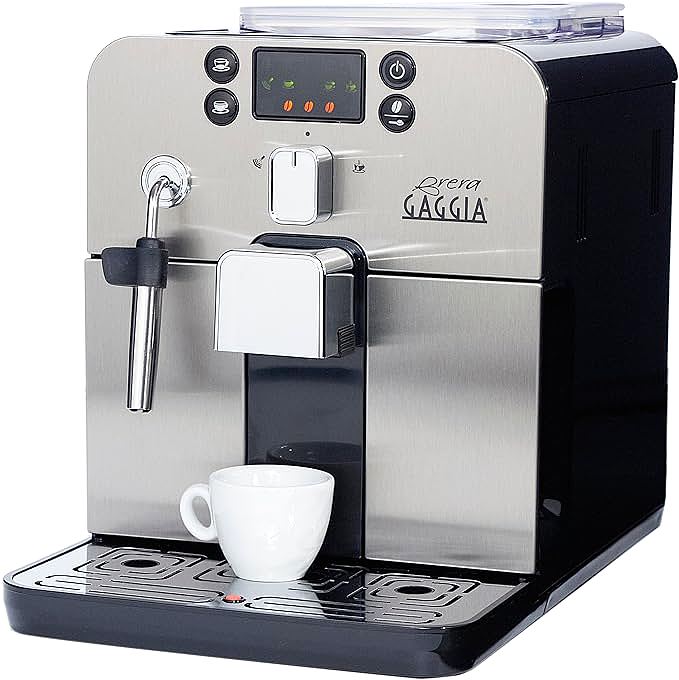
The Gaggia Brera: A Beginner's Guide to the Science of a Perfect Espresso Shot
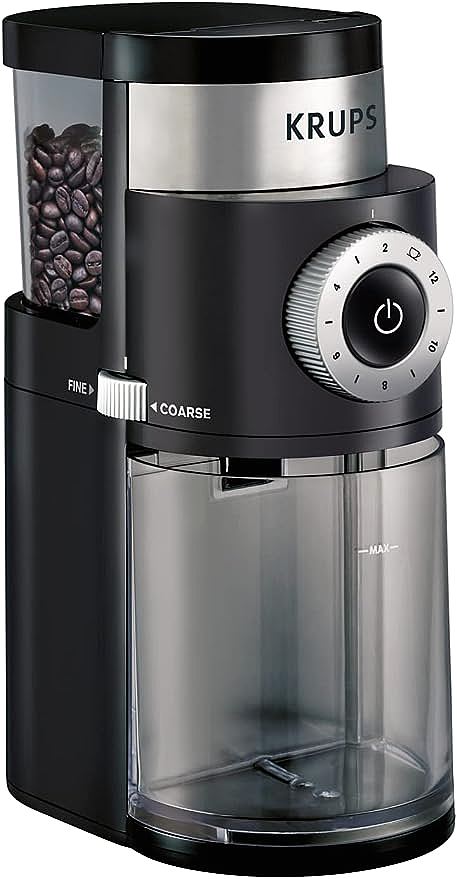
KRUPS GX550850 Precision Grinder: Unlock Perfect Coffee Flavor with Burr Grinding
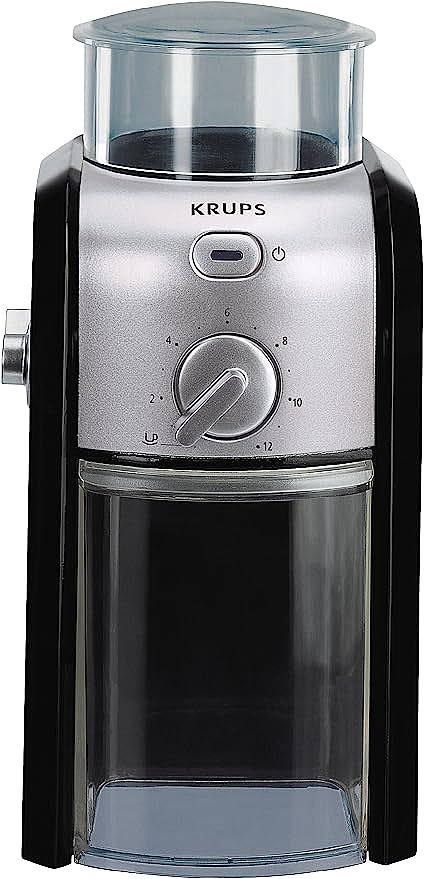
KRUPS GVX212 Coffee Grinder: Unlock the Perfect Grind for Your Brew
Mcilpoog Milk Jar for ws-203 & ES317 | Convenient Coffee Milk Storage