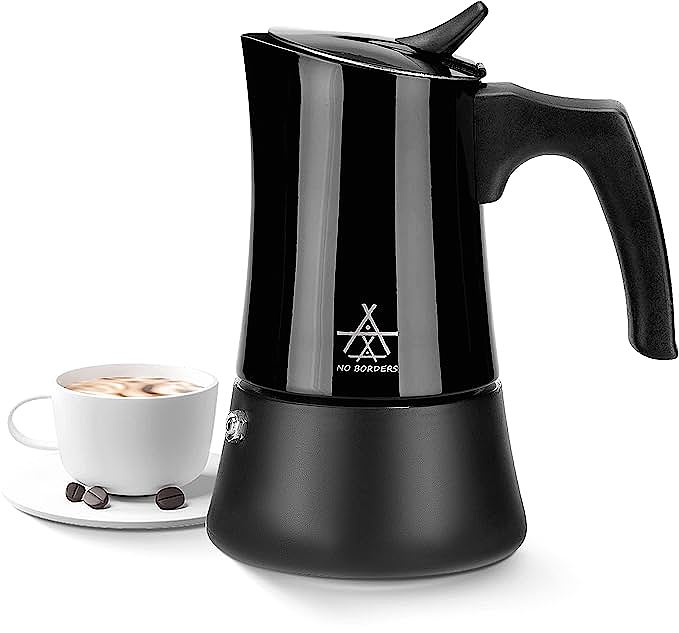
How to Choose and Use a Stovetop Espresso Maker

Easyworkz Diego Stovetop Espresso Maker Stainless Steel
A stovetop espresso maker brews a small, strong cup with steam pressure from a sealed base instead of a pump. That one design choice shapes the whole machine, from how strong the coffee tastes to how much control you get and how you keep it clean. This stovetop espresso maker guide walks through the parts that matter when you buy one, using the Easyworkz Diego Stovetop Espresso Maker Stainless Steel as a working example.
What a Stovetop Espresso Maker Does
A stovetop espresso maker, also called a moka pot, holds water in a lower chamber and ground coffee in a funnel above it. Heat turns the water to steam, the steam pushes the water up through the coffee, and the brewed liquid collects in the upper chamber. Nothing is pumped. The pot uses the pressure that builds inside a closed vessel sitting on a burner.
The cup tastes different from what a pump machine makes. A moka pot delivers a dense, syrupy coffee that many people drink straight or loosen with hot water. It does not produce the pale foam called crema that sits on a pump espresso shot, because crema needs far more pressure than steam in a small pot can build.

Pressure: Steam in a Closed Base
The pressure gap explains most of the differences between the two machine families. A stovetop pot works between roughly 1.5 and 2 bar, the range water and steam reach in a sealed base on a home burner. A pump espresso machine pushes water at 9 bar or more. Budget pump models often advertise a 20 bar pump, such as the SECPOEDR 20Bar Semi Automatic Retro Espresso Machine, which pairs its 20 bar pump with a pre-infusion system, a built-in pressure gauge, and a 1350 W heating system.
Higher pressure changes the texture and the drink. At 9 bar and above, water is forced through a compacted puck fast enough to pull oils and gases into a crema layer. At 1.5 to 2 bar, the moka pot extracts more slowly, so you get body and sweetness without that foam. The lower number is not a defect. It is the reason the pot is quiet, cheap, and easy to run.
Temperature and Heat Control on the Stove
Heat control on a stovetop pot is manual. There is no thermostat to set and forget. You set the pace with the burner and with how you load the pot. Water near boiling leaves the lower chamber as steam, so the brew sits close to the boiling point and climbs as the pot heats.
Pump machines hand that job to electronics. The Grindora Espresso Machine with Grinder offers three set points of 194 F, 198 F, and 205 F through a PID controller. The XIXUBX Espresso Machine with Grinder adjusts from 194 F to 203 F and sets pre-infusion from 1 to 5 seconds. A stovetop pot trades that precision for simplicity, and the skill you build is judging the flame. Keep the burner low, preheat the water if you want a gentler start, and lift the pot off the heat the moment the flow turns pale and sputters.
The Brew Path: Funnel, Filter, and Reducer
Inside a stovetop pot, coffee sits in a funnel with a filter plate, and the pot's size sets the dose. The Easyworkz Diego Stovetop Espresso Maker Stainless Steel brews 4 cups, or 6.8 fl oz (200 ml), and its listing suggests 16 g of fine grind for that batch.
Pump machines use a different path. A portafilter locks into a group head, and its diameter sets how much coffee fits. The Grindora machine uses a 51 mm portafilter that takes 7 g for a single basket and 14 g for a double. The EUHOMY Espresso Machine with Grinder and Milk Frother uses a wider 58 mm portafilter for a deeper coffee bed. If you like a heavy dose, a pump machine with a 58 mm basket gives you room that a small moka pot cannot.
The moka pot answers dose control in its own way. Many pots ship with a reducer, a small insert that lets you use half the coffee without changing the water. The Easyworkz Diego lists a coffee reducer for exactly that purpose, and the older MK-STELLA-494 that this guide replaces carried a reducer inside its funnel as well. Drop the reducer in, and the same pot makes a lighter cup.
Milk, Steam Wands, and What a Moka Pot Cannot Do
Steaming milk is out of reach for a stovetop pot. It has no steam wand, so if you want a latte or a cappuccino you froth the milk separately or warm it on the stove. That is a real limit, and it is the main reason people move up to a pump machine.
Pump models build the wand in. The SECPOEDR retro model uses a 360 degree swivel steam wand with adjustable output. The SECPOEDR 20 Bar Compact Espresso Machine uses a 180 degree rotating wand. The AMZCHEF Espresso Machine with Grinder uses an 8 mm stainless steel wand with a 1350 W heating system. Each one turns cold milk into microfoam in seconds, which a moka pot cannot match.
Pre-Infusion and Dose Control
Pre-infusion is the pump machine's answer to an even extraction. Before full pressure arrives, the machine wets the grounds at low pressure so the puck settles and channels less. The Grindora machine pairs its 20 bar system with pre-infusion, and the SECPOEDR retro model lists a pre-infusion system alongside its Italian ULKA pump.
The moka pot skips pre-infusion entirely. The water arrives when the steam pressure is high enough to lift it, and the coffee is wetted in one pass. What you can adjust is the grind, the dose through the reducer, and the heat. Finer grind and a full dose slow the flow and deepen the cup. Coarser grind and a half dose speed it up and lighten it. Treat the reducer as your dose dial.
Keeping It Clean Over Time
Cleaning a stovetop pot is easy, and the rules are strict. Bialetti advises rinsing each part of its Venus pot with plain water, without detergent and without a dishwasher, because soap and hot dishwasher cycles damage the finish and the taste. The Easyworkz Diego is built from 18/8 stainless steel and lists itself as dishwasher safe, so check the maker's own instructions rather than assuming one rule fits every pot. A silicone gasket and the filter plate come out for a rinse, and the safety valve should stay clear.
Pump machines need more. Limescale builds up in the boiler and the lines, so several models ship with a descaling routine. The VEVOR Espresso Machine lists a descaling function, a 2.8 L tank, and a 200 g bean hopper. The AMZCHEF Espresso Machine with Grinder includes a descaling function with its 60 oz tank. A moka pot has no boiler to descale, but its gasket and filter do wear and should be replaced when the flow weakens.
Capacity, Material, and Stove Compatibility
Capacity on a moka pot is measured in small espresso cups, not mugs. A 4 cup pot like the Easyworkz Diego or the DITOSH 4 Cup Thickened 304 Stainless Steel Moka Pot holds about 6.7 to 6.8 fl oz, and the DITOSH pot measures 3.7 by 7.5 inches. A 6 cup pot like the Bialetti Venus Induction, made from 18/10 stainless steel, brews 7.9 oz. A larger Mixpresso 12 Cup Greca Moka Pot brews up to 20 oz in 50 ml cups. Match the size to how many people drink at once, because a pot works best when it is filled to its line.
Material decides where the pot can go. The Easyworkz Diego uses 18/8 stainless steel and lists gas, induction, electric, and ceramic heat sources. The Bialetti Venus Induction is built for induction hobs. The Vaolvpant No Coating 4 Cup Moka Pot uses 304 stainless steel with no interior coating. Plain aluminum pots are lighter and cheaper but will not work on an induction hob.
The pot this guide replaces shows the shape of a classic build. The MK-STELLA-494 stood 6.13 inch tall, measured 3.47 inch across the base and 1.6 inch across the top, and weighed 604 g (1.33 lbs). A stainless pot in that mold lasts years, which is why the same profile keeps turning up across brands.

Running Cost per Cup
The purchase price spread is wide. At capture, stainless stovetop pots ranged from about $17.99 for the IMUSA Stainless Steel Stovetop Espresso Coffeemaker, a 6 cup model, to $39.99 for the 4 cup Easyworkz Diego, with induction ready pots near the top of that band. Divide the price by the cups the pot brews and the per cup cost is small. A $39.99 pot that makes 4 cups of about 1.7 oz each works out to about $10 per cup of brewed capacity, and the pot lasts for years.
Compare that with a pump machine, which runs from $99.99 for the Rounexes 20 Bar Espresso Machine to $309.99 for the EUHOMY model. The AERCANA Espresso Machine adds a 1450 W heating system and a 5.3 by 12.2 by 11.5 inches footprint, the CASABREWS Espresso Machine runs a 1350 W boiler, and the Electactic Espresso Machine with Grinder uses a 1500 W motor. A pump machine also asks for electricity, a descaling routine, and more counter space. A stovetop pot asks only for heat and a rinse, which is why it stays the low cost option.
A Buying Checklist
Work through these points before you buy.
- Cups: pick 4 cups for one or two people, 6 cups or more for a crowd, and fill to the line.
- Material: choose 18/8 or 18/10 stainless for durability, and check the base if you cook on induction.
- Safety valve: confirm the pot has one, since it releases pressure if the base overheats.
- Reducer: a reducer lets one pot brew a half dose, which adds flexibility.
- Cleaning: read whether the maker allows a dishwasher or asks for a plain water rinse only.
- Heat source: match the pot to gas, electric, ceramic, or induction.
- Brew time: expect a pot to finish in about 3-5 minutes on medium heat, while a pump machine needs longer to come up to temperature.
- Grip: a heat resistant handle and lid stay cool enough to hold.
If you want a pot that is in stock and fits this list, the Easyworkz Diego Stovetop Espresso Maker Stainless Steel covers 4 cups, 18/8 steel, a reducer, a safety valve, and all common stove types. If you want milk drinks and a pressure gauge instead, look at a pump machine with a steam wand.
Which Pot Fits Which Kitchen
A stovetop espresso maker suits a small kitchen, a low budget, and a drinker who likes a strong cup without foam. It rewards a little practice with the flame and the grind. When milk drinks or repeatable temperatures matter more, a pump machine with a steam wand and a PID controller earns its higher price. Either way, the pot you keep filled and rinsed is the one that pays you back.
Easyworkz Diego Stovetop Espresso Maker Stainless Steel
Related Essays

Stovetop Espresso Maker Science: Pressure, Dose, and the Easyworkz Diego
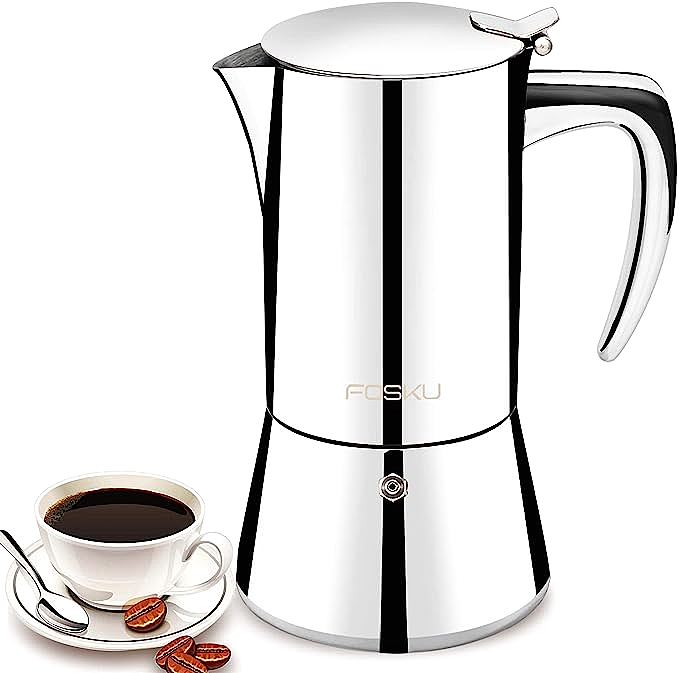
Overcoming Bitter Brews: Thermodynamics and Metallurgy in Coffee Extraction

Why the Metal in Your Moka Pot Matters: A Guide to Stainless Steel Espresso
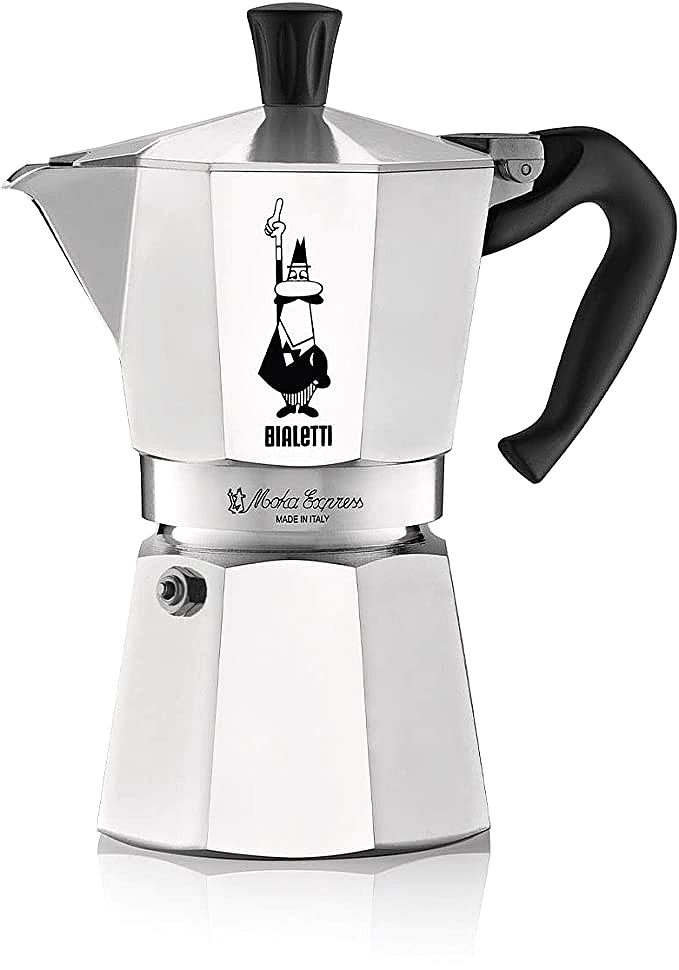
Bialetti Moka Express 6-Cup: Your Gateway to Authentic Italian Espresso
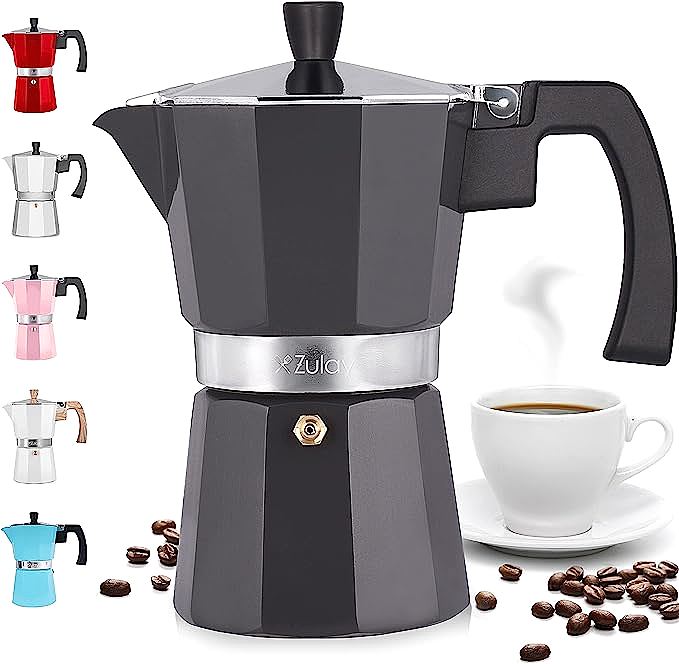
Zulay Classic Italian Style 5.5 Espresso Cup Moka Pot: Technical Guide
Conyee Moka Pot: Brewing Authentic Italian Espresso at Home
MORDEN MS Stovetop Espresso Maker: Brewing Authentic Italian Coffee at Home
GEESTA Premium Crystal Glass-Top Stovetop Espresso Moka Pot - Authentic Italian Coffee at Home

elabo Stovetop Espresso Maker: The Simple Science of Rich Italian-Style Coffee at Home