Ilsa 3 Cup Stainless Moka Pot

Ilsa Stainless Moka Pot
When the household brews one or two cups at a time, the Ilsa Stainless Moka Pot earns its place. At 190 mL (6.5 oz) across three espresso-sized cups, it keeps the morning round small. The body is stainless steel rather than the cast aluminum common at this size, it weighs about 1.0 lb, and the listed price is $80.99. It's a pot that asks for a little care, and in return keeps things straightforward.
Keeping the round small
With just three espresso cups as the limit, a 190 mL boiler holds enough water for a short morning round without leaving a half-full chamber sitting around. Fill it to just below the safety valve and the water line stays visible through the open top before the basket goes in. Stainless steel means the pot can sit on a gas ring or an electric coil without the coating worries that come with aluminum. At 6.15 inches tall, it's light enough to lift with one hand and clears most upper cabinets when stored upright.
Finding the right dose
Capacity and dose aren't the same thing. The 190 mL figure describes the boiler, while the basket takes a much smaller load. A level fill of medium-fine grounds - roughly 15 to 16 g for this size - leaves the coffee loose enough for water to pass and firm enough to resist channeling. Pressing the grounds down doesn't help; a light level with the rim is all the basket needs. Because the chamber is small, the brewed volume lands below the boiler rating, often near 100 to 130 mL once the coffee has absorbed its share. Expect three small cups rather than three full mugs.
Living with stainless steel
The dimensions come in at 6.15 inches tall, 4.5 inches wide, and 3.0 inches deep, with a weight listed near 1.0 lb. That footprint fits a single burner and leaves room for a spoon rest beside it. Stainless steel resists the pitting and dark staining that daily contact with coffee can leave on softer metals, and it doesn't carry the metallic aftertaste that unsealed aluminum sometimes gives. The tradeoff is heat: steel takes longer to warm than aluminum, so a medium flame and a little patience go a long way. The listing category places the pot under Made in Italy, which matches the European stovetop style the product description claims.
Where the 3 cup size fits
Within the Ilsa stovetop line, a 1 cup and a 6 cup body sit alongside the 3 cup model, with the 3 cup landing in the middle. Step up to the 6 cup and the dose climbs toward 25 g, but the boiler needs more water and a wider burner, and a single drinker ends up discarding the extras. Step down to the 1 cup and the chamber is tight for more than one cup of coffee. For those who might want to share a cup with a partner or a guest, the 3 cup size strikes a balance, and its 190 mL boiler keeps extra from thinning out the batch.
Timing the pull
Pressure in a sealed moka boiler sits around 0.9 to 1.5 bar - far below the 9 bar of a pump espresso machine - and the safety valve begins to release near 1.0 bar. That lower pressure is why the grind runs coarser than espresso and why the brew takes its time. Starting with hot water in the base can shorten the wait. Set the pot on medium heat and listen for the first steady gurgle. From a cold start, the full run usually takes 4 to 6 minutes; with preheated water, it can finish in about 3 minutes. Pull the pot off the heat as the flow turns pale and sputtering, and pour before the last watery phase reaches the spout.
A slow morning with it
There's not much to the routine. Rinse the base, fill it to the valve line, and drop the basket in. Add 15 to 16 g of medium-fine coffee, level it, and screw the top on firmly. On a medium burner, it's just a matter of waiting for the coffee to rise. The 190 mL chamber yields enough for two small cups with a little left for a third, and the steel body holds warmth long enough for a second pour without heading back to the stove. Cleanup is a rinse and a dry, with the parts left apart so no trapped moisture sours the next batch.

What can thin the cup
Most weak pulls come down to heat and timing rather than the pot itself. Too much flame shortens the pull, so water runs through before the grounds have given up much flavor. A fine grind that clings to the basket can choke the flow, and the last of the brew can taste sharp as a result. Letting the pot sit on the burner after it finishes adds a dry, scorching note to the last cup. Freshly roasted coffee, ground to order, and a rinse that removes fines from the basket tend to fix most of these issues before the first sip.

Keeping the steel in shape
Empty the basket as soon as the pot is cool enough to handle, rinse both chambers with warm water, and dry them separately. A soft cloth keeps the brushed finish even, and a mild dish soap is enough for coffee oils. Skip abrasive pads, which leave scratches that trap residue. The safety valve benefits from a periodic check: run water through the funnel port and confirm the valve moves freely. Keep the handle about 10 cm from a wall when the pot is on the burner, and if the water is hard, descale the boiler once a month with a 2 percent citric acid solution. Store the pot with the top off so air can reach the inside. Handled this way, the steel keeps its clean taste and the seal lasts longer.
A quick look at the numbers
Before buying, it helps to know a few concrete details for this stainless stovetop moka pot, the Ilsa model (model number 8824, part number 00900030IE). Capacity is 190 mL or 6.5 oz across three espresso cups. The assembled frame measures 6.15 by 4.5 by 3.0 inches and weighs about 1.0 lb. Brew pressure sits in the 0.9 to 1.5 bar range with the safety valve near 1.0 bar. The listed price is $80.99, and the listing shows the pot in stock. For someone who wants one or two small cups, a steel body, and a compact footprint, those numbers line up; for someone who wants a full mug or a larger pot, a bigger size makes more sense.
Ilsa Stainless Moka Pot
Related Essays
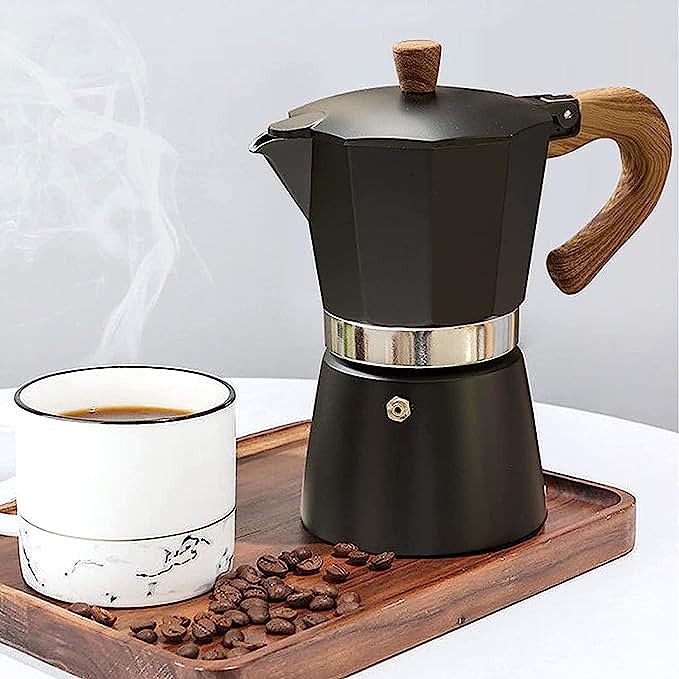
The Physics of Flavor: Deconstructing the Moka Pot
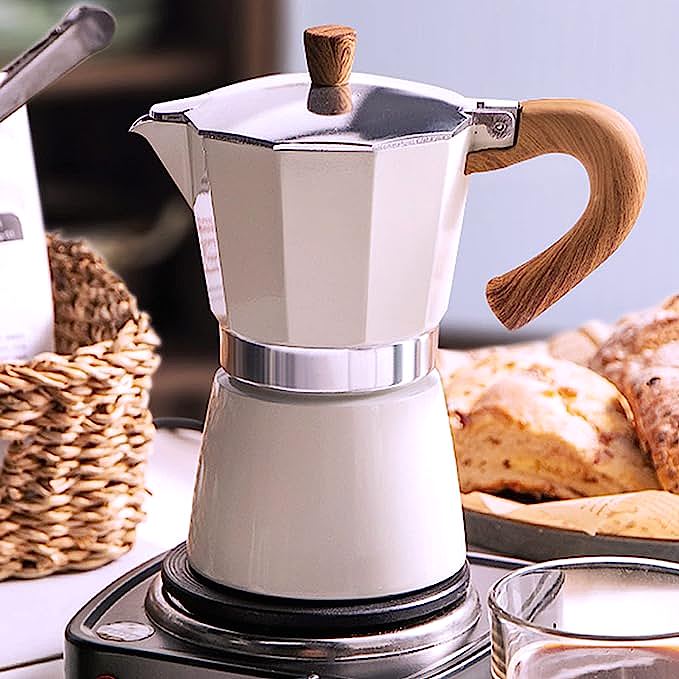
The Alchemy of Steam: Unlocking the Science Behind Your Moka Pot
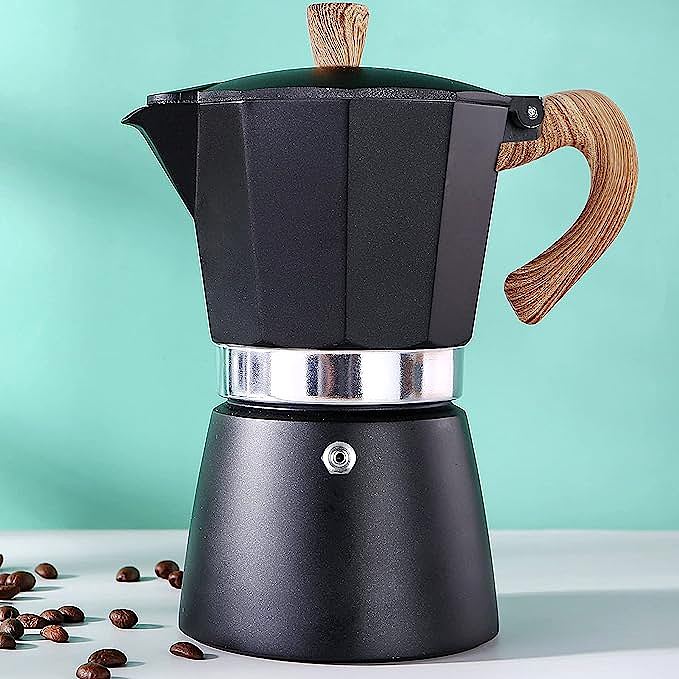
AIFUSI Moka Pot: Brew Authentic Italian Espresso at Home

The Little Engine: Unpacking the Science and Soul of the Moka Pot

The Physicist in Your Kitchen: Deconstructing the Science of the Stovetop Moka Pot


Alessi Moka Pot Guide: Design Meets Pressure Brewing

Why the Metal in Your Moka Pot Matters: A Guide to Stainless Steel Espresso
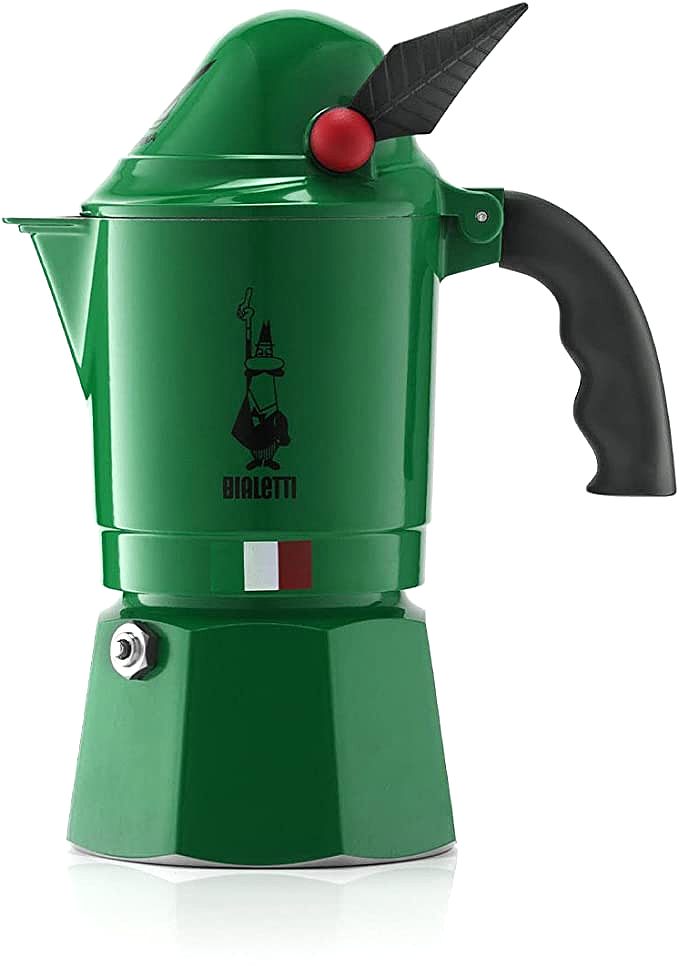
Bialetti Moka Express Alpina: a green three-cup moka pot
