Induction stovetop espresso maker: the Bialetti Venus 6-cup on a magnetic hob

Bialetti Venus Induction Stovetop Espresso Maker
An induction zone gives a pot nothing to grip. The surface stays cool while the field moves through it, and only a base that answers that field can turn the energy into heat. That is why the classic aluminum moka pot sits out this kind of cooking. The Bialetti Venus Induction Stovetop Espresso Maker (ASIN B09KZV5LW8) is built around the answer: a magnetic base under an 18/10 steel body, sized for six espresso cups.

Why a magnetic base decides everything on an induction zone
Gas and induction heat a pot in opposite ways. A flame wraps the lower walls in hot gas, so a wide skirt catches the heat and the base geometry matters less. An induction coil never touches the metal. Current in the coil sets up a field that flips tens of thousands of times per second, typically somewhere in the 20-40 kHz band on a home hob, and every flip induces circulating currents inside the base. Resistance turns those currents into heat in the metal itself, which is why the glass around the pot barely warms.
That coupling is engineered, not automatic. An induction-ready base carries a ferromagnetic layer, and the field pushes hardest against that layer rather than the polished steel above it. Take the layer away and the pot becomes invisible to the hob, however well the steel conducts heat once warm. An aluminum moka pot fails the same test, which is the practical reason induction owners look for a stainless model with a bonded base.
Zone size matters almost as much as base material. A small pot parked in the middle of a large ring leaves the outer copper idle, because the field does its work directly under the coil. Match the base diameter to the ring when the hob allows it, and set the pot down dead center when it does not.
A warped base is the other slow failure. Thin steel floors can bow under repeated heating, and a base that lifts off the glass in the middle loses coupling exactly where the field is strongest. A flat floor keeps its contact patch whole, which is one reason induction-ready pots lean on a bonded base rather than a single sheet. Set the pot down and give it a slow turn; a base that rocks is a base that will heat unevenly.
Heat that lands in the base still has to spread through the vessel, and material choice sets the pace. Handbook figures put copper near 400 W/mK, aluminum around 237 W/mK, and stainless steel near 16 W/mK. A bare stainless floor would be sluggish, so induction-ready pots rely on a bonded base that moves heat sideways before it climbs the walls. The narrow brewing chamber finishes the job by holding a small, even bed of grounds.
What the Bialetti Venus brings to a stovetop brew
Bialetti treats the Venus as the induction original: a made-in-Italy pot that keeps the stovetop ritual and moves the body over to 18/10 stainless steel. Two things follow from that change. The steel will not pick up the metallic edge that untended aluminum can, and it holds its shape across years of heat cycles. The six-cup version in this walkthrough also carries the ferromagnetic base the hob needs, so the pot starts drawing power the moment it lands on the zone.
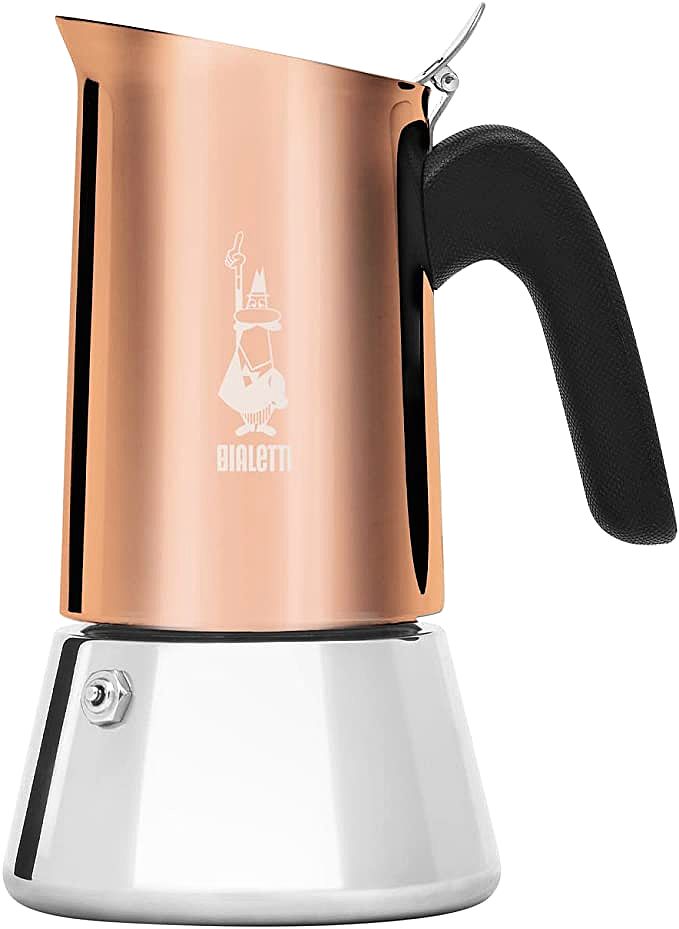
The body runs in a curve rather than the faceted lines of older pots. That shape keeps the pour clean, with the spout set forward of the lid knob so a full pot tips without dribbling down the wall. A safety valve sits on the side and vents steam if the pressure path ever blocks; find it by touch before the first brew and keep it clear of grounds.

A fridge magnet settles the compatibility question in a second. If it snaps to the bottom, the base carries enough ferromagnetic iron to answer the hob. If it slides off, the pot belongs on gas or a radiant ring instead. The test takes less time than reading the listing, and it works on any pot in the kitchen.
Reading the steel grade behind the shine
The 18/10 stamp is a composition claim. Chromium near 18% builds the passive oxide layer that keeps the steel from rusting, and nickel near 10% holds the austenitic structure steady so the metal stays tough at brew temperatures. Coffee lands in a 4.5-5.5 pH band, acidic enough to attack a reactive metal over time, which is where the passive layer earns its keep. That balance is why the pot can sit wet on a draining board without spotting the way carbon steel would, and why the taste of the coffee stays clean from one pot to the next.

Wear is cosmetic on this steel. A scratch from a spoon does not start a rust pocket, because the chromium oxide layer rebuilds itself in air within hours. Skip the scouring pad on principle, but do not treat the surface like glass either; daily contact with a plastic brush leaves nothing behind.
The base covers more than induction duty. The listing rates the Venus for all types of hobs, so this induction stovetop espresso maker moves between gas, radiant rings, ceramic tops, and a magnetic zone without a second purchase. Cooks who split time between two kitchens get the most from that reach, since the pot has to match the hob in front of you.
Capacity in espresso cups, not coffee mugs
Sizes are quoted in espresso cups rather than liters, and Bialetti keeps to that measure across the line: a four-cup pot at 5.7 ounces, the six-cup at 7.9 ounces, and a ten-cup version at 15.5 ounces. The cups in question are small pours, nothing like the mug that holds a morning drip order. Six cups means six demitasse servings from one fill, and the whole batch measures under a single large mug. The Venus line itself spans 4-10 cups, so the six-cup version sits in the middle of the range.
What 'espresso cups' means when you measure the pot
An espresso cup holds a small pour, so the tally grows faster than the ounce figure suggests. The practical check runs in reverse: count the pours your household makes in a morning, not the volume a tank-style machine would show. One drinker can work through a six-cup fill across a slow morning, and a pair of drinkers will finish it in a single round.
Grind, fill, and the gurgle that ends the brew
The method asks for nothing you do not already own: a basket of ground coffee, a hob, and a pot that seals. Fill the basket and level the surface without pressing the grounds down, close the pot, and set it on the zone. From there the pot runs its own show. As soon as the brew begins to gurgle, the heat goes off, because the gurgle is the moment the water runs out and steam takes over.
Grind sits between two poles. A moka basket wants grounds coarser than espresso but finer than drip, roughly the texture of fine table salt, and a loose fill beats a packed one every time. Grind too fine and the pressure path chokes; grind too coarse and the water races through without picking up much flavor.
What drives the water upward is steam pressure, not a pump. Water sealed in the base chamber heats up, builds pressure, and pushes through the coffee bed and up the central stem, and the working range stays around 1-2 bar. That is far below the nine-bar world of a pump machine, which is why a moka cup reads softer and rounder than a true espresso shot even when the grind runs fine.

One weekday brew with the Bialetti Venus on induction
A Tuesday at 7:10, with the kitchen still half dark. The routine starts at the counter: scoop, level, close. The pot goes onto the zone and the lid stays raised so the well is visible. Heat builds, the first dark threads climb the stem, and the flow settles into a steady stream. Then the sound changes. A gurgle arrives with steam behind it, the heat goes off, and six small cups land in the carafe while the base still holds enough warmth to make the rinse easy.
Heat setting separates a clean cup from a burnt one. A zone run flat out drives water through the bed too fast and scorches grounds against a hot floor, which is where ash and bitterness come from. A steady, moderate setting lets pressure build on its own schedule, and the pot finishes at the first gurgle instead of fighting the hob for another minute.
Rinsing only, no detergent, no dishwasher
Bialetti is direct about care: rinse every component in plain water, skip detergent, and keep the pot out of the dishwasher. The rule sounds fussy until you connect it to the build. Detergent film and dishwasher heat attack the seals and the surface finish, and both changes reach the cup long before they show on the pot.
Two parts deserve a monthly look. The gasket and plate that seal the two halves soften with age and start to leak steam, which shows up as a sputtering brew; a fresh set costs little and ends the problem. The safety valve should stay clear of grounds, so run a soft brush across it during the rinse and keep the pressure path honest. Scale is the slower enemy; if the flow slows or the taste flattens, a descaler made for coffee pots clears it out.
Drying matters as much as washing. Leave the pot open on the shelf between brews. A sealed pot still holding moisture develops a musty note that follows it into the next cup, and stale grounds left in the basket add a flat edge of their own.
Price, box, and what the listing leaves out
The six-cup Venus lists at $69.88 and shows In Stock, with the ASIN B09KZV5LW8 under the title. The box holds the pot and nothing from the coffee shelf: grounds are a separate errand. A four-cup and a ten-cup version exist for kitchens that need less or more, and the copper and silver finish sits in the middle of the line.
Induction compatibility lives in the base, not the badge, and the Venus carries the hardware to prove it: a ferromagnetic floor, an 18/10 body, and a brew cycle that ends at the first gurgle. The Bialetti Venus Induction Stovetop Espresso Maker at $69.88 fills a narrow niche for anyone who wants stovetop coffee on a magnetic hob, and it asks for little beyond a rinse and a level scoop. Match the size to the pours your household makes, keep detergent away from the metal, and the pot will hold up its end for years.
Bialetti Venus Induction Stovetop Espresso Maker
Related Essays

Ilsa 3 Cup Stainless Moka Pot

Why the Metal in Your Moka Pot Matters: A Guide to Stainless Steel Espresso

Vapor, Metal, and Solvents: Engineering the Perfect Stovetop Brew


Alessi Moka Pot Guide: Design Meets Pressure Brewing
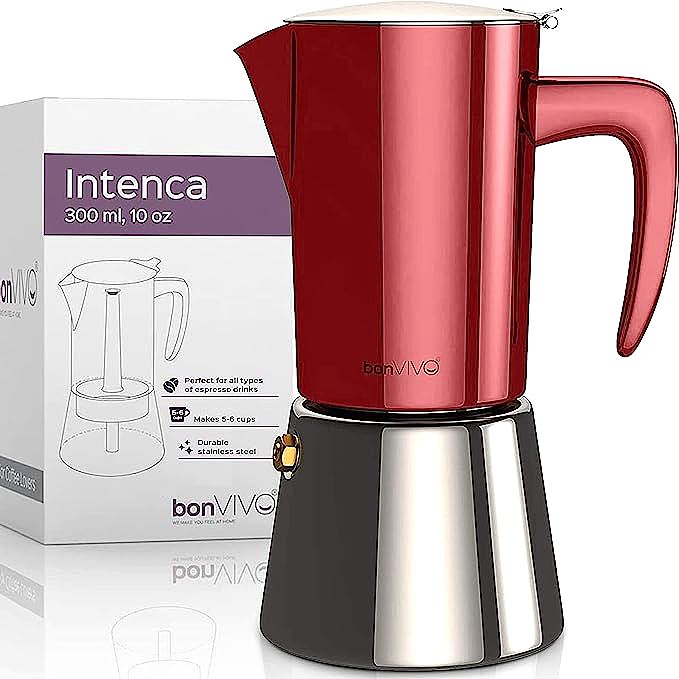
bonVIVO Intenca Stovetop Espresso Maker: A Practical Guide to Heat, Pressure, and Flavor
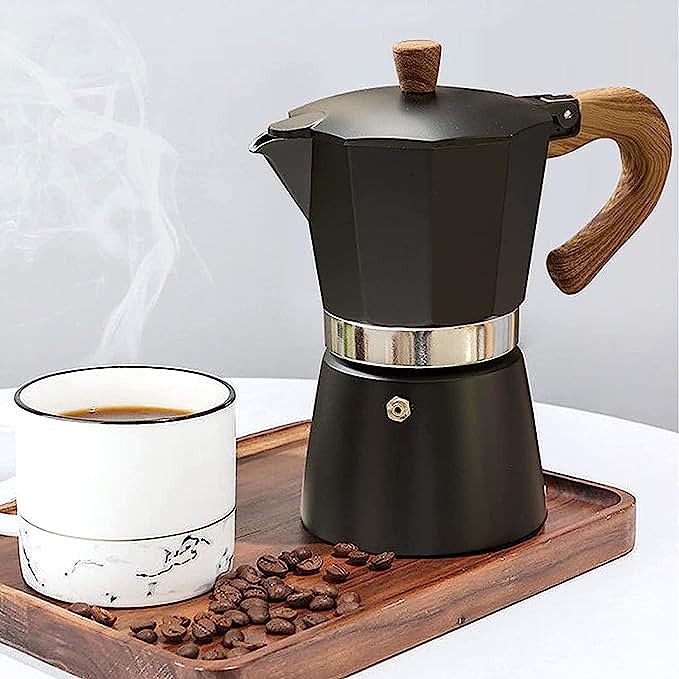
The Physics of Flavor: Deconstructing the Moka Pot
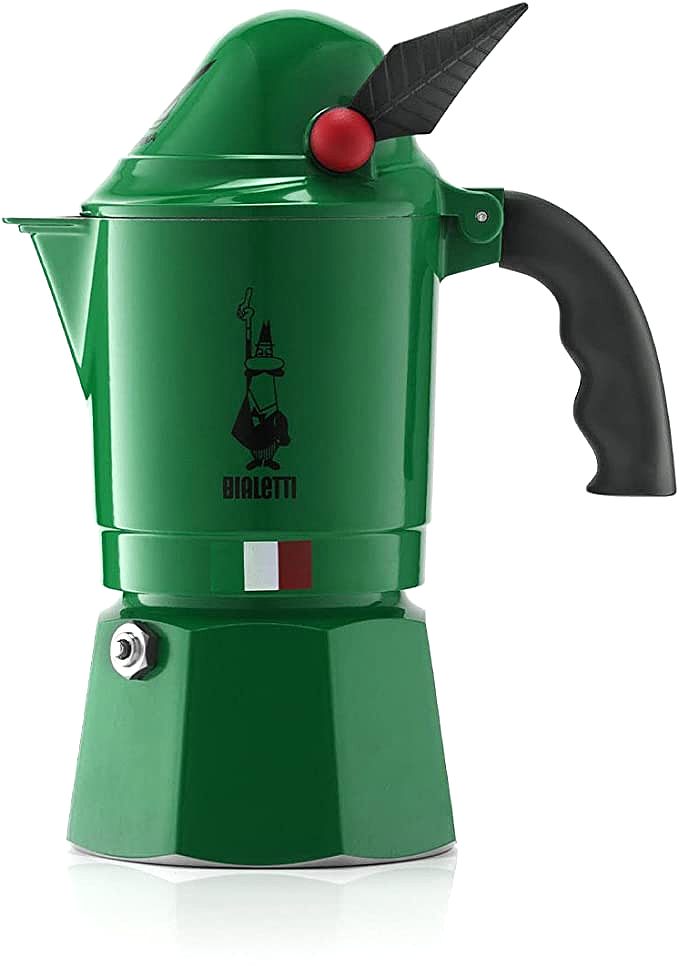
Bialetti Moka Express Alpina: a green three-cup moka pot

Dominican Greca Coffee: Cafecito Brewing Steps and Pot Care
