The Metallurgy of Flavor, Moka Pot Material

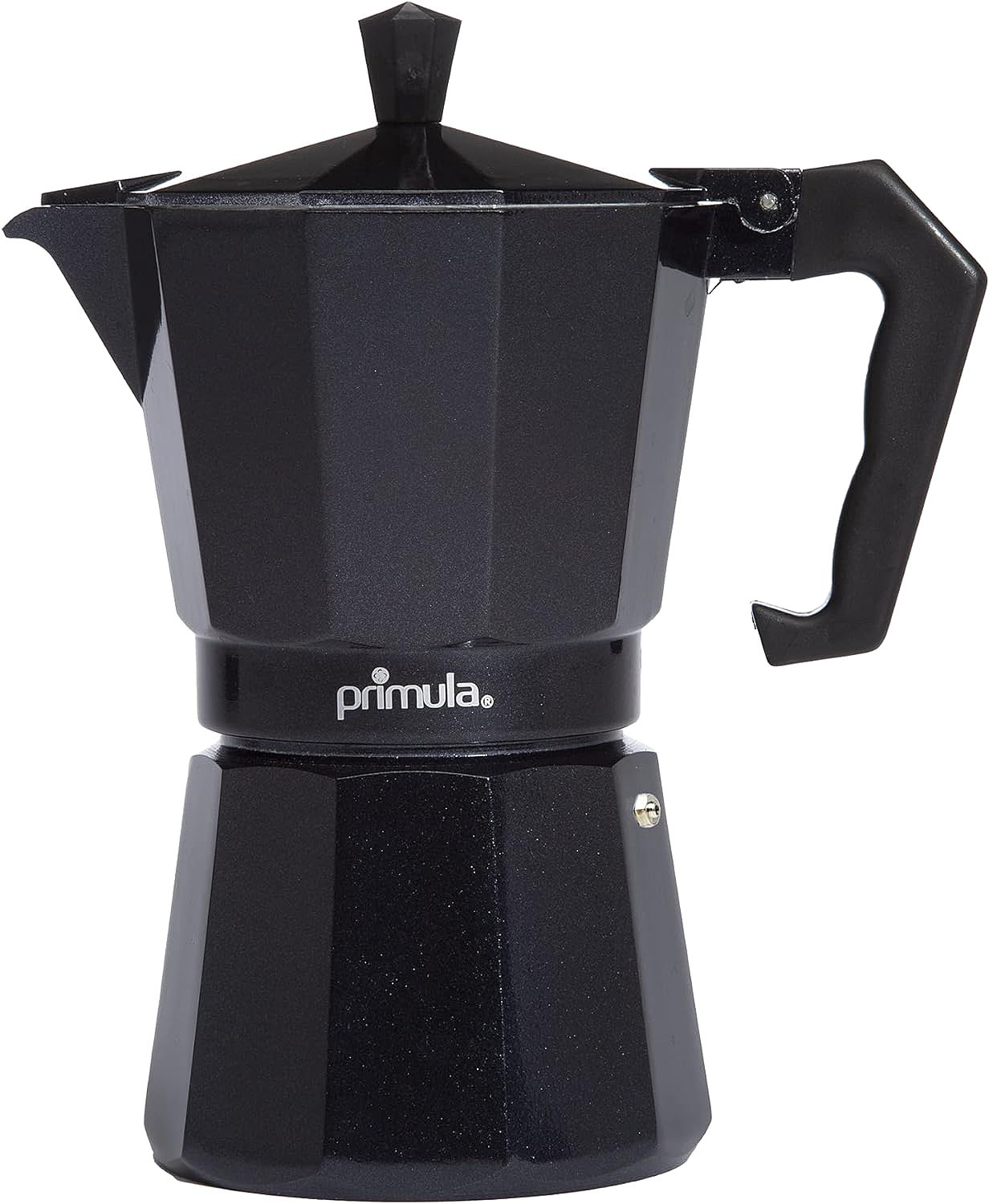
IMUSA Stainless Moka Pot
Moka pot flavor starts in the metal, and the IMUSA Stainless Moka Pot is the 6-cup model this guide reads. The body of the pot decides how the steam behaves, how the coffee tastes, and how long the cup stays warm once it is poured.
Why the body metal matters
Brewing means driving hot water and steam up through a bed of ground coffee, and the metal the body is made of steers that whole process from the very first second. Stainless steel and aluminum are the two materials most pots use, and the grades inside each family behave differently. The 304 grade resists rust and staining, while the cheaper 430 grade trades some of that resistance for a lower price. A 304 shell keeps its finish through years of daily use.
The stainless shell in numbers
Size comes first. The IMUSA B120-22062M is a 6-cup stainless steel moka pot that stands 8.27 inches tall, measures 5.51 inches across, and runs 3.94 inches deep, and it weighs 1.73 pounds. Those figures come from the manufacturer listing, and the 6-cup size means one brew fills about six demitasse servings. A flip-up top, a side pour spout, and a cool-touch handle and knob finish the build, and the alloy's iron, chromium, and nickel content is what gives it corrosion resistance.
Heat transfer and the pull
Stainless steel carries heat slowly. Its thermal conductivity sits near 16 watts per meter per kelvin, while aluminum runs closer to 200. That gap is why a steel pot wants a gentler flame and a longer window than an aluminum one. The same shell that spreads heat evenly across the base also slows the rise, so the water meets the coffee at a steady rate instead of a surge. On a gas, ceramic, or electric hob, the difference shows up as a longer, quieter brew.
Pressure, steam, and the valve
A moka pot is not an espresso machine. Where a pump machine drives water at about 9 bar, a stovetop pot builds only about 0.9 to 1.1 bar, and that gentler pressure keeps the coffee smooth rather than sharp. Every pot carries an over-pressure valve that releases steam near 1.0 bar, a backstop that protects the chamber if the funnel port clogs. Rinsing the funnel after each brew is the simple habit that keeps the valve clear.
The dose and the grind
Filling the basket takes roughly 30 grams of coffee for a level bed in this 6-cup pot. The grind should sit fine, closer to table salt than to the coarse setting a drip brewer wants, because the short contact time rewards a finer bed. Level the grounds and skip the tamp, since a moka pot relies on loose, even coffee for the water to pass through. The base fills with water to just below the valve, and the coffee-to-water ratio lands near 1 to 10.

Water temperature and the brew window
Water reaches the coffee between 88 and 94 degrees Celsius, warm enough to pull flavor without scorching the grounds. On medium heat, a full 6-cup brew takes about 4 to 6 minutes from the first trickle to the final gurgle. More heat does not speed the process so much as it drives the water up too fast, which leaves the coffee thin. The steel body rewards patience: let the pot come up slowly and the extraction stays even.
The cost per cup
At 17.99 dollars, the pot sits on the affordable side of the stovetop market, and the stainless body is the part that earns its keep over the years. A one-kilogram bag of grounds at 20 dollars stretches to about 33 brews of a 30 gram dose, which works out near 0.60 dollars a brew. Across six servings, that is roughly 0.10 dollars a cup, well below the price of the same drink at a cafe.
Hobs and heat sources
Gas, ceramic, and electric stovetops are the ones the manufacturer lists, and induction is not among them, since the stainless base is not magnetic. Medium heat is enough for a steel body, and the pot rewards a low flame with a steadier brew. On a glass-ceramic cooktop, check that the base sits flat before the pot goes on.
A morning on the stove
Mornings run the same way on the IMUSA B120-22062M. Fill the base with water to the valve line, add a level 30 gram basket of fine grounds, and screw the two halves together. Set the pot on a gas, ceramic, or electric burner over medium heat and wait. The steam builds, the coffee rises through the funnel, and the first pale trickle turns dark before the gurgle signals the end. Pull the pot off the heat at the gurgle, pour the six servings, and the steel body holds the coffee warm for about 15 minutes while you drink it.
Living with the steel body
Caring for a stainless steel moka pot takes little. The 304 shell does not carry the oxidation that dulls an aluminum pot, and a rinse with warm water after each brew keeps the surface bright. A machined stainless pot can serve for years when it is dried between uses and stored with the two chambers apart, because a pot left sealed and damp develops a wet, sour note the next brew picks up. Keep the handle clear of the wall, and check that the base sits flat before using the pot on a glass-ceramic cooktop.
What the numbers add up to
Pulled together, the figures describe a 6-cup stainless steel moka pot, 8.27 inches tall and 1.73 pounds, priced at 17.99 dollars. Its shell carries heat at about 16 watts per meter per kelvin, close to a twelfth of the rate of aluminum, and its over-pressure valve opens near 1.0 bar. A 30 gram dose brewed over 4 to 6 minutes yields six servings at about 0.10 dollars a cup. The IMUSA Stainless Moka Pot is a body of steel that carries heat slowly and holds it well, and how the coffee tastes follows from how that body handles the heat.

IMUSA Stainless Moka Pot
Related Essays

The Architecture of Flavor: Chemical Complementarity in Coffee Blending

The Architecture of Taste: Deconstructing Stumptown's Homestead Blend