The Thermodynamics of Home Drip
Ninja Fresh Brew 12 Cup
Two bags of the same beans can taste like different coffees on the same counter, and the brewer is usually the reason. A drip coffee maker is a water-delivery system: it heats a reservoir, sends that water through a bed of ground coffee at a controlled rate, and holds the result warm. Everything a drinker tastes, from the thin cup to the bitter one, comes from how those three jobs line up. The Ninja Fresh Brew 12 Cup, model CE251, is a useful example because its listed parts map closely to the physics. It sells for $69.95 and pairs a 12 cup glass carafe with a 60-oz removable reservoir, so the same machine can brew a full pot or a 1 to 4 cup small batch.
What the water has to do
Water is the solvent, and its job is to dissolve the acids, sugars, and aromatic compounds that roasting left in the bean. Temperature sets how fast that work happens. Most drip brewers aim to hold the slurry between 90 and 96 deg C; cooler water under-extracts and leaves the cup sour, while water near a rolling boil strips bitter compounds. The reservoir size sets the batch. At 60 oz, roughly 1.8 L, a full pot gives the bed a long, steady flow, and the small batch setting shortens the same cycle for 1 to 4 cups so the water does not race through a shallow bed. A dose near 100 g for the full pot keeps the brew close to a 1:18 ratio, the strong end of the usual 1:16 to 1:18 range.
Water chemistry matters too. Very hard water leaves scale on the heating element and dulls the cup, while distilled water can taste flat because it lacks the minerals that carry flavor. Filtered tap water is the practical middle, and a short rinse of the reservoir after each pot keeps old water from sitting in the tank overnight.
Grind size and bed depth
Grind and contact time decide how much of that dissolved material reaches the carafe. A medium grind, about 0.6 to 0.8 mm across, gives the water enough resistance to spend 8 to 12 minutes in a full 1.8 L brew. Too fine and the flow stalls; too coarse and the water passes before the sugars dissolve. A burr grinder produces a more even bed than a blade grinder, and evenness keeps the draw from stalling in one spot and racing in another.
Bed depth is the quiet variable. In a 12 cup basket, 100 g of medium grounds forms a layer deep enough that water cannot find a single fast channel; in a 1 to 4 cup batch the same grind sits much shallower, which is why the small batch function matters. Without it, a thin bed lets water run down the basket wall and the cup tastes watery even when the dose is right. The permanent filter adds a little resistance of its own and removes the paper variable from the routine. If the draw finishes far under 8 minutes, the grind is too coarse or the dose is too light; if the basket overflows, both are too fine or too heavy.
Heat, time, and the shape of the brew
The heating element is the part most buyers never see, yet it sets the pace. Most 12 cup drip machines draw somewhere between 900 and 1500 W, enough to bring a full reservoir to brew temperature in a few minutes and then hold it there. The listed hotter brewing technology on this model is a promise about even saturation, not a higher peak temperature: the goal is a bed that wets uniformly so every grain gives up the same compounds. Once the water is moving, the brew cycle runs 8 to 12 minutes for a full pot and about 3 minutes for a small batch. Mid-brew pause lets you pull a cup early without disturbing the rest of the cycle, though the first cup will be stronger than the last.
Preheating the carafe with hot tap water before the cycle starts keeps the first cup from losing heat on contact with cold glass. The warming plate then holds the pot for up to 4 hours. Past that point the coffee keeps its temperature but loses the volatile aromatics that make it taste fresh, so a smaller batch often beats a large one that sits all morning.

Reading the two brew styles
Classic and Rich are two flow profiles built on the same basket. Classic runs the standard cycle and lands near the 18% to 22% extraction band most drinkers find balanced. Rich slows the water slightly and stretches contact time, which pulls more body from the same dose; it can also push a dark roast toward bitterness if the grind is already fine. Neither setting changes the dose for you. The useful habit is to pick a style, keep the grind and the dose fixed, and change only one variable at a time until the cup lands where you want it.
A small batch is where the two styles differ most. The same 25 g dose that tastes balanced in a 4 cup brew can turn harsh in a full pot because the water spends longer in contact with a thinner bed of grounds. Read the carafe level before you grind, not after.
The counter footprint and the morning routine
At 14.6 inches tall, 10.5 inches long, and 9.9 inches wide, the Ninja Fresh Brew 12 Cup needs about a foot of depth under the cabinets, and its 6.55 lb frame is light enough to slide forward for a refill. You fill the 60-oz reservoir at the sink, set the 24-hour delay, and let the timer start the cycle before the alarm. The adjustable warming plate holds the carafe for up to 4 hours, which is long enough for a second cup but not so long that the coffee cooks. The clean setting runs a descale cycle at the press of a button, and the machine carries a manufacturer's limited warranty.
The glass carafe is the part to handle with care, because a full 12 cup pot is heavy and the pour lip is the first thing to chip. Rinse it with warm water rather than cold right after brewing, and let it air dry upside down so the last drops do not leave a ring.
What the cup costs
Bean cost is easier to judge once the dose is fixed. If a 1 kg bag costs 20 dollars, a 100 g full-pot dose uses a tenth of the bag, so each 12 cup pot carries about 2 dollars of coffee, or roughly 17 cents a cup before the machine. The $69.95 purchase price is a one-time cost; the recurring cost is the bag. A smaller 1 to 4 cup batch uses less coffee and therefore costs less per brew, which is why the small batch setting earns its place on a machine this size.
Compare that with a cafe at 4 dollars a cup and the arithmetic is hard to ignore: the brewer pays for itself in a few weeks of daily pots. The comparison only holds if the beans are fresh, because stale coffee costs the same per bag and delivers a flatter cup.
A short checklist before the first pot
Start with a medium grind and a dose near 100 g for the full 1.8 L pot, or 25 g for a 4 cup batch, then taste. If the cup is sour and thin, grind finer or add a few grams; if it is bitter and hollow, coarsen the grind or cut the dose. Keep the reservoir filled to the same line each morning so the ratio does not drift, and run the clean setting when the machine asks for it. The carafe, the basket, and the reservoir are the only parts that touch the coffee, so rinsing them after each pot removes most of the stale oil that turns a good brew flat.
One more pass helps after a bean change. Brew a small batch first, note the grind and the dose, and adjust from there before committing a full pot. The cycle is steady enough that two or three tries usually settle the setting.

A drip coffee maker cannot fix a stale bag or a worn grinder, but it can remove the variables that make a good bag taste inconsistent. Heat, flow, bed depth, and dose are the four things to watch, and the rest is repetition. Once the cycle is steady, the cup stops being a surprise.
Ninja Fresh Brew 12 Cup
Related Essays

Kwister CM1687 Guide: The Numbers Behind the Shot
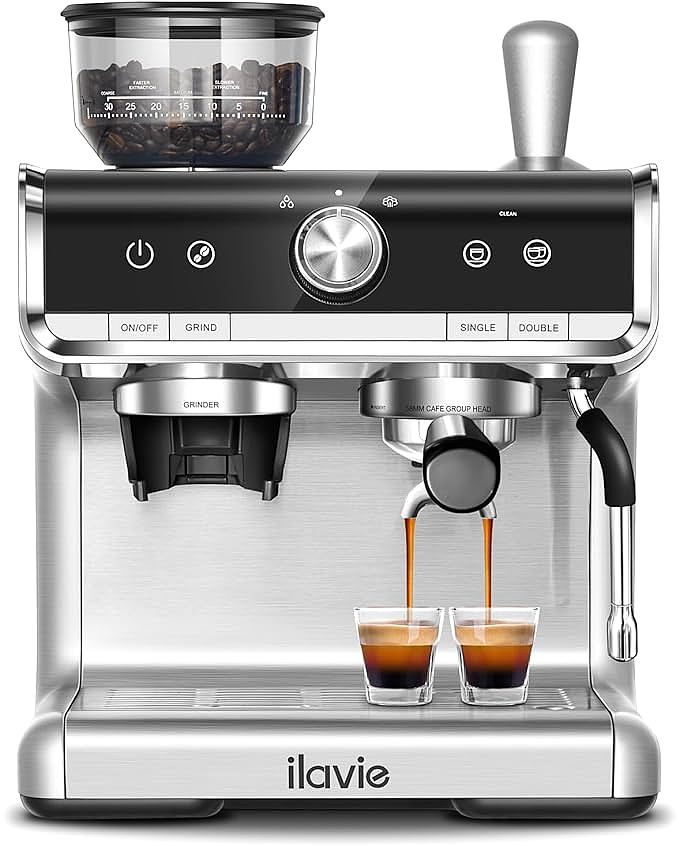
ILAVIE K6 Espresso Machine: 20-Bar Pressure, PID Temperature, and 30 Grind Settings
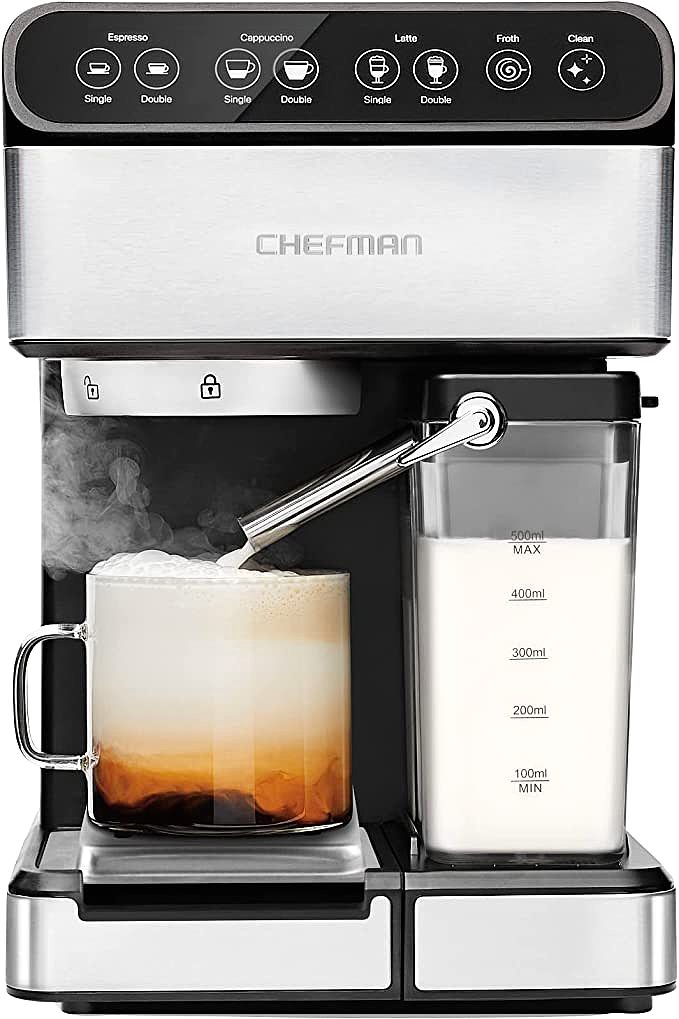
Chefman RJ54 6-in-1 Espresso Machine

Mueller SuperGrind Burr Coffee Grinder: The Science of a Better Brew at Home
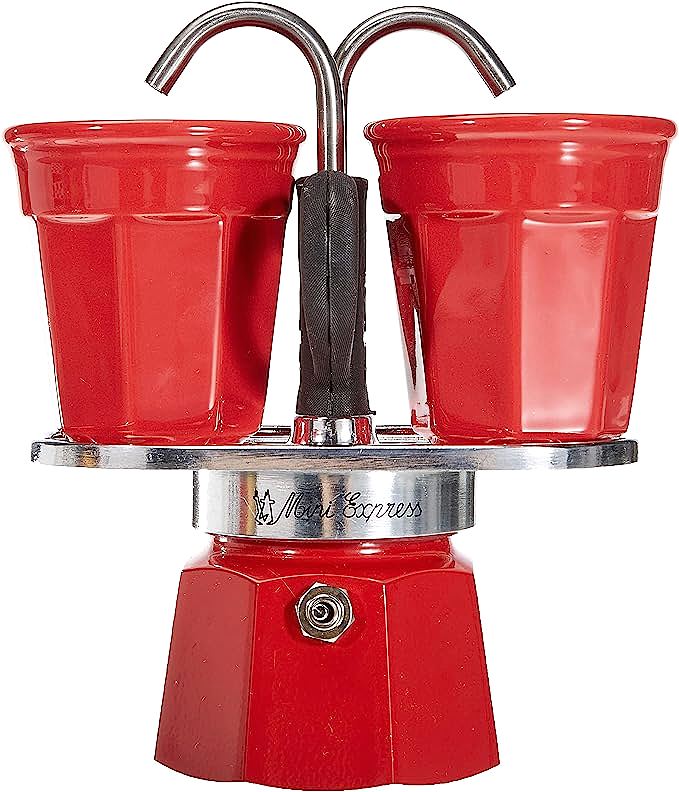
Bialetti SET MINI EXPRESS 0007303: The Art, Science, and Soul of Italian Stovetop Coffee

Hamilton Beach 40726 Espresso Machine: The Science of Perfect Espresso at Home
The Science of Single-Serve Coffee: Chasing the Golden Cup

Yosoo Electric Moka Pot Coffee Maker (6 Cup): The Science of Home Brewing

ODIFORGO Milk Frother: Craft Perfect Cafe-Style Drinks at Home
