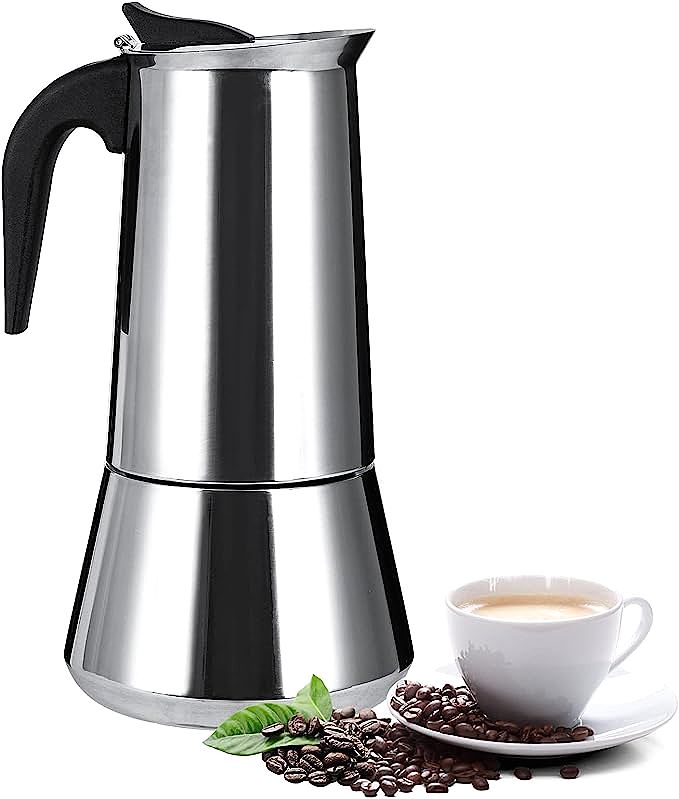
Neretva PE3650U 20 Bar Espresso

Neretva PE3650U
Neretva PE3650U, Your Gateway to Barista-Quality Espresso
The Neretva PE3650U is a 20 bar espresso machine that pulls a proper shot off a compact pump, and the whole pitch is the 18 to 20 g dose it lands in a 30 ml cup. A 20 bar pump is the ceiling the machine reaches, and the 9 bar brew is the part the shot wants. This guide reads the gateway form through the numbers, because the dose, the grind, and the boiler are the parts that make the cup.
The pump sets the ceiling
Pushing against a locked puck, the pump reaches 20 bar, and the 9 bar window is where the extraction lives. An 18 to 20 g dose is the mass the 30 ml shot needs, and the 0.6 mm grind is the bed that holds the 9 bar pressure. Pushing a 25 g dose past 10 bar runs the shot long, and a 15 g dose at 8 bar rushes it thin. The 9 bar band and the 0.6 mm grind are the two numbers that keep the shot in the 18 to 22 percent extraction window.
The dose and the pull
A 18 g dose is the number that moves the strength, and a 18 g dose against a 30 ml shot is the 1 to 1.5 ratio a balanced cup wants. A 20 g dose pushes the shot darker, and a 15 g dose lightens it, so the 18 to 20 g range is the window to keep. The 0.6 mm grind holds the pull in the 25 to 30 second window, and a coarser 0.9 mm grind rushes it under 20 seconds. The 18 g dose and the 0.6 mm grind are the two numbers that set the 30 ml cup.
The boiler and the steam
Keeping the water steady, the boiler runs off a 1200 w element that brings the chamber to 93 deg C in about 3 minutes. The steam wand is the part that makes the milk drink, and a 65 deg C steam froths a 200 ml pitcher in 20 to 30 seconds. A 1.5 lb body keeps the machine compact, and the 6 inch height is the size that fits the counter. The boiler is the heat, and the 1200 w element is what feeds the steam.
The cup math
A 1 kg bag at 20 dollars gives about 50 doses of a 20 g shot, which is 0.40 dollars a cup against 5 to 6 at a cafe, and the 80 dollar machine is the number that closes the gap over a year. A 50 dose bag and a 0.40 dollar cup are the two numbers that make the home shot the value, and the 30 ml shot is the amount the 18 g dose is built for. The 1 kg bag and the 50 dose yield are the numbers that back the cost, and the 1200 w element is the part that earns the cup.
The morning gateway
Each morning, the 18 g dose goes into the portafilter and the 0.6 mm grind holds the 9 bar pressure. The 1200 w element brings the boiler to 93 deg C in 3 minutes, and the 30 ml shot pulls in 25 to 30 seconds. A 20 g dose would darken the cup, but the 18 g fill keeps the 1 to 1.5 ratio in the 18 to 22 percent extraction band. The steam wand froths a 200 ml pitcher in 20 to 30 seconds for the cappuccino that follows. The 80 dollar machine runs the same 18 g dose every morning, and the 0.40 dollar cup is the cost the routine buys. The 20 bar pump is the ceiling, and the 9 bar shot is the part you drink. The 20 bar pump is the ceiling, and the 9 bar shot is the part you drink.
The 30 ml shot is the amount the 18 g dose is built for, and the 1200 w element is the part that earns the cup. A 65 deg C steam covers the 200 ml pitcher, and the 6 inch frame clears a small counter. The 20 bar pump is the ceiling the machine reaches, and the 9 bar brew is the part the shot wants. A 3 minute warm up is the window the element needs, and the 0.40 dollar cup is the cost the routine buys.
The pressure headroom
Step off the pump gauge and the cup is already decided, because the extraction lives in the 9 bar band no matter how high the pump can reach. A compact machine spends the extra pressure only to keep the line charged while the basket seats and the first water breaks the dry bed. Hold the pull until the stream turns a steady amber and you are working at the extraction pressure, not at the printed maximum. That reserve matters most in the first two seconds, when the 0.6 mm grounds have just settled and the puck is still building resistance, and the headroom keeps the flow from stalling before the 18 g dose runs out.
The steam side

The milk side is where a small footprint earns its keep, and the wand reaches the texture point faster than the brew cycle takes. Pull the 30 ml shot, let the pitcher rest, and the 1200 w element has already held the steam chamber at the 65 deg C that microfoam wants. A 200 ml pitcher turns over in 20 to 30 seconds, which lines up with the 25 to 30 second pull, so the cup and the foam finish close to the same moment. Tilt the pitcher back until the wand sits just under the surface and the milk folds instead of foaming, and the latte that follows holds the 1 to 1.5 ratio the 18 g dose set. For the drinker who wants espresso and milk from one compact unit, a 20 bar espresso machine with this steam reach covers the morning without a second appliance.
The counter fit
At 1.5 lb and six inches tall, the machine clears a narrow counter where a deeper body would not, and that is the limit most compact brewers push against. A deeper body hides the reservoir behind the drip tray, and this one keeps the 1200 w element and the steam chamber inside the same six inch line, so the open space in front holds the cup in reach. Set it against the wall with a hand of clearance for the steam wand and the footprint is done, and the 30 ml shot lands within the same hand that locked the basket.
The sheet to remember
The gateway sheet is an 18 to 20 g dose, a 0.6 mm grind, a 1200 w boiler at 93 deg C, and a 30 ml shot over 25 to 30 seconds. The 18 to 22 percent extraction band is the window the numbers hold, the 1.5 lb body and the 6 inch height are the frame, and the 0.40 dollar per cup is the cost. The 18 g dose and the 1200 w element are the two numbers that define the shot, and the 9 bar band is the one that sets the flavor. The 20 bar pump is the ceiling, and the 9 bar shot is the part you drink.
In one line, the promise is a 20 bar espresso machine, and that is the whole point of it.

Neretva PE3650U
Related Essays

CASABREWS CM5418 Home Espresso Machine, the Household Pull

SonicPower COFF1 Espresso Machine: Cafe-Quality Espresso at Home

CYETUS CM5080: Unlock the Science of Perfect Espresso at Home

SHARDOR CRM2008 Espresso Machine: Your Gateway to Cafe-Quality Coffee at Home

The 9-Bar Question: Unpacking the Physics and Chemistry in Your Morning Espresso

Capresso EC PRO Espresso Machine: Barista-Quality Coffee at Home

FRIGIDAIRE ECMN103-BLACK Multi-Capsule

Mecity KC101 3-in-1 Coffee Maker: Choosing the Brew Path