The Original Donut Shop K-Cup, Simply Great

The Original Donut Shop K-Cup
Ninety-six pods in one box
The Original Donut Shop K-Cup arrives as a 96 count case built from 4x24 packs, and that one detail sets the pace of everything else. Ninety-six morning cups is a little over three months at one cup a day, or about seven weeks when two people share the box. The product page lists the case at $46.79, which puts the per-cup figure near 49 cents before tax. Each K-Cup coffee pod is a fixed dose of coffee, so the only variable left to the drinker is how much water meets it. The listing names a medium roast regular coffee that is caffeinated, Orthodox Union Kosher, gluten free, and made with no artificial ingredients.

The pods leave no brewing decisions on the counter. Someone else chose the roast, set the grind, measured the dose, and sealed each portion behind a filter and a lid with the oxygen pushed out. What remains is picking a cup size and pressing a button. For a household that wants the same cup every morning without weighing beans or rinsing a grinder, that trade is the whole appeal.
The medium roast inside the pod
Medium roast sits between the bright, grassy cup of a light roast and the smoky, oily surface of a dark one. Beans roasted to this point keep enough sugar to build body without turning the finish to ash, which is why Donut Shop can call the result full-bodied, bold, and flavorful. Caffeine stays in the cup, and the box carries a kosher mark, a gluten free note, and a promise of no artificial ingredients.
The label also uses the words extra bold, and Donut Shop's own copy leans on a fuller body rather than a sharper edge. That combination helps when milk or sugar goes in, because a thin roast fades under cream while this one still tastes like coffee. Drinkers who chase a dark, smoky cup should pick a different roast instead of expecting this pod to turn into one.
Why the pod suits a Keurig brewer
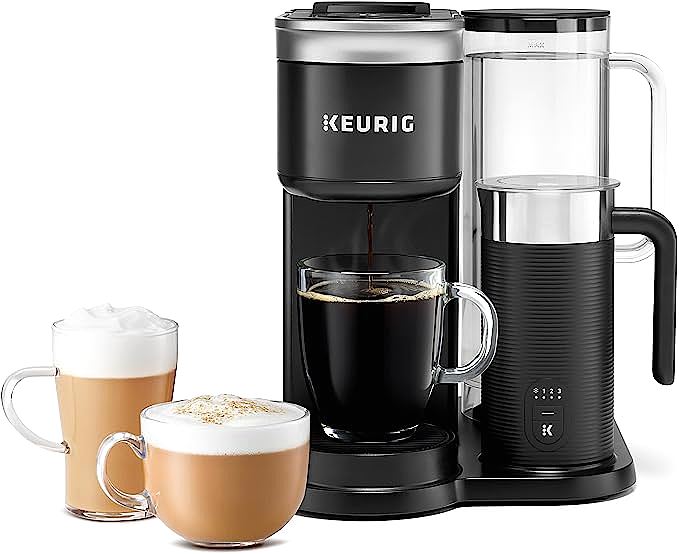
These are genuine Keurig K-Cup pods, built for compatibility with all Keurig K-Cup pod coffee makers, including the Keurig 2.0 line. That takes the guesswork out for anyone buying a case this size - they will work in a brewer already sitting on the counter. A K-Cup machine pierces the lid and the base, runs hot water through the bed of coffee, and finishes a cup in about 1 minute.
Brew size is the setting the drinker still controls, and most Keurig machines offer a cup somewhere in the 6-12 oz range. A small setting concentrates the flavor, while a large one stretches the same dose across more water. Because every pod stays sealed until the moment it is used, no open bag sits on the shelf going stale between mornings.
Storage, footprint, and the sealed pod
The case measures 12 inches long, 8 inches wide, and 7.94 inches tall, and the listing gives its weight as 0.918 lb. In metric that is roughly 416 g for the whole box, or about 4.3 g per pod once the carton, the trays, and the plastic shells are counted. The box fits on a pantry shelf without claiming the counter space that a bag of beans and a grinder usually take.
Keep the case shut and off the floor, and leave each pod in its sealed lid until brewing. Coffee gives up aroma faster once it meets air and moisture, so a pod with a lifted lid should be brewed next rather than returned to the box. A dry cupboard away from the oven and the dishwasher protects the rest of the case.
Recycling the pods without a mess
Donut Shop lists these as recyclable K-Cup pods and prints a short routine: peel the lid, empty the grounds, and recycle whatever the local program accepts. The same note points out that pods are not recycled in all communities and that packaging may vary, so the municipal rules decide the fate of the plastic shell. One check with the local program saves a well-meant mistake.
Letting the pod cool for a minute before peeling keeps the wet grounds from clinging to the filter. Tipping them into a compost pail or a garden bed gives the spent coffee a second use, and the empty shell is easier to sort once the grounds are gone. A one-cup household ends up with 96 shells in about three months, which is enough reason to settle the routine early.

What a cup costs across the pack sizes
The 96 count at $46.79 is the largest box in this line, yet it is not automatically the cheapest per pod. A 60 count at $27.74 comes to about 46 cents a pod, while a 32 count at $21.09 runs roughly 66 cents, and the 96 count sits near 49 cents. Prices move, so the order can flip, but the spread between the smallest and largest boxes is usually wide enough to notice.
Pace decides which box makes sense. One cup a day stretches the 96 count to about three months, two cups a day shortens it to roughly seven weeks, and a busy office will empty it inside a month. Buying the size that matches the household beats buying the biggest box and letting the last pods sit unused.

Who the regular blend suits
The regular blend is aimed at drinkers who take coffee with milk, sugar, or both. A medium roast with a solid body holds its flavor when cream goes in, while a light roast can vanish under the same pour. The kosher certification and the gluten free note also matter to households that read those labels before buying a case.
Anyone who wants a dark, smoky cup or a bright, fruit-forward one should shop a different roast rather than force this pod to change character. The regular blend does one job well: a familiar, medium-bodied cup that tastes the same on Monday and Saturday.
The Original Donut Shop K-Cup in a shared office kitchen
A break room asks more of a pod than a home counter does. The 96 count case refills itself for weeks, a sealed pod cannot go stale while it waits in a drawer, and two coworkers can pull different brew sizes from the same machine without touching a grinder.
Keeping the case in good shape
Pods keep best in a cool, dry cabinet, away from the oven, the dishwasher, and direct sun. The sealed lid is the barrier that protects the coffee, so a pod with a torn or lifted lid should move to the front of the queue. Writing the purchase date on the carton is a small habit that makes rotation easy to track.
A simple rule handles most kitchens. Finish the open pack before opening the next one, then bring the following pack forward. The 4x24 layout helps, because each pack holds 24 pods, close to a month of one-cup mornings, and an empty pack is an easy signal that the next one is due.
The short version
A 96 count case of The Original Donut Shop K-Cup delivers a medium roast regular coffee in a sealed pod that works in Keurig K-Cup brewers, including the 2.0 line. The carton measures 12 inches by 8 inches by 7.94 inches, weighs 0.918 lb, and sells for $46.79, or about 49 cents a cup. The pods recycle after a quick peel and empty, the coffee is kosher and gluten free, and the medium roast suits a cup taken with milk.
The Original Donut Shop K-Cup
Related Essays
Victor Allen's Coffee Variety Pack - Your Daily Dose of Coffee Exploration
Keurig Coffee Lovers' Collection: Explore 60+ Flavors in One Variety Pack

Peet's Coffee Decaf House Blend K-Cup Pods: Bold Flavor Without the Buzz
Victor Allen's Coffee Decaf Variety Pack: Enjoy Flavorful Decaf Coffee Anytime

Black Rifle Coffee Company Just Black Medium Roast Pods: The Science of a Perfectly Balanced Brew

Keurig B145 OfficePRO Brewing System

Happy Belly Dark Roast Coffee Pods Guide

Solimo Dark Roast Coffee Pods: A Practical Approach to Bold Morning Coffee

Folgers Classic Roast taste: how a medium roast shapes the cup