Rancilio Silvia Pro X Home Espresso
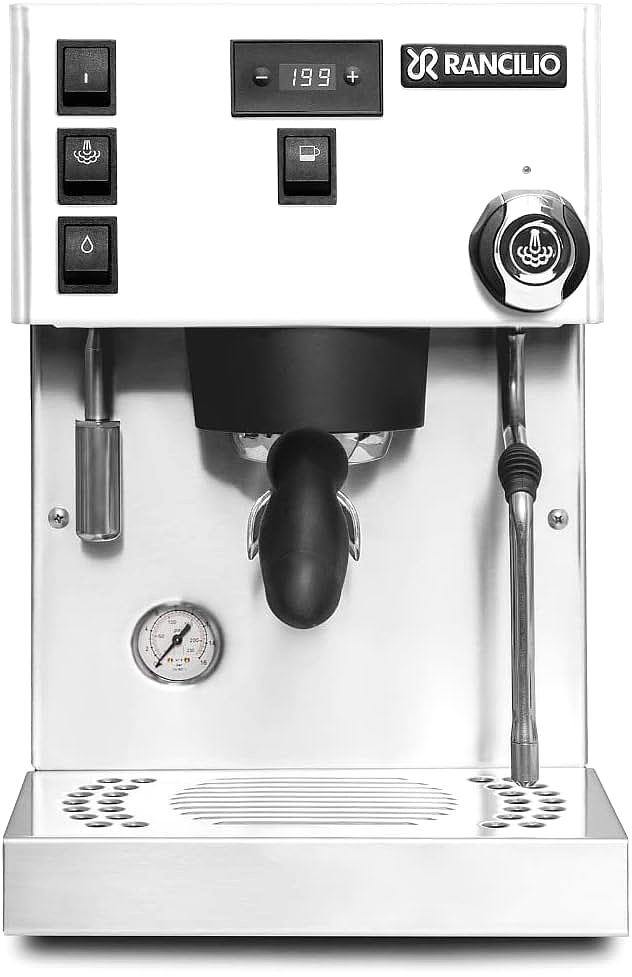
Rancilio Silvia Pro X
Rancilio Silvia Pro X, Engineering Thermal Stability
The Rancilio Silvia Pro X is a home espresso machine that runs a 15 bar pump against a locked puck, and the whole pitch is the 18 to 20 g dose it lands in a 36 to 40 ml shot. A 15 bar pump is the ceiling the machine reaches; the shot itself drinks at 9 bar. This guide reads the thermal stability through the numbers, because the dose, the grind, and the boiler decide what the cup does.
The pump sets the ceiling
Pushing against a locked puck, the pump reaches 15 bar, and the 9 bar window is where the extraction lives. An 18 to 20 g dose is the mass that yield needs, and the 0.6 mm grind is the bed that holds the 9 bar pressure. A 25 g dose past 10 bar runs the shot long, and 15 g at 8 bar rushes it thin; hold the middle band and the 18 to 22 percent extraction window follows.
The dose and the pull
An 18 g dose sets the strength, and 18 g against the 36 to 40 ml yield keeps the cup in the 1 to 2 ratio a balanced brew wants. A 20 g dose pushes the shot darker, and a 15 g dose lightens it, so the 18 to 20 g range is the window to keep. The 0.6 mm grind holds the pull in the 25 to 30 second window, and a coarser 0.9 mm grind rushes it under 20 seconds. Together, the 18 g fill and that grind size the whole cup.
Inside the 18 to 22 percent band
The 18 to 22 percent extraction band is the range where the cup stops tasting hollow on the low end and sharp on the high end. The grind is the dial that sits the bed there, and the pressure is what presses it through. Pull the shot over that same 25 to 30 second window and the 18 g dose lands inside the band; rush it under 20 seconds and the same dose runs light and thin. Past the 25 to 35 second range an in-band pull stalls, which is the tell that the bed is too tight. A home espresso machine holds the 93 deg C water steady long enough for that pull, and the 1450 w element is what keeps the 9 bar pressure steady through the pull. When the cup drops out of the band, the first fix is the grind, then the dose, and only then the water.
The boiler and the stability
Keeping the water steady, the boiler runs off that 1450 w element, and it brings the chamber to 93 deg C in under 30 seconds. The steam wand makes the milk drink: the 60 to 65 deg C window froths a 200 ml pitcher in 20 to 30 seconds, landing the microfoam texture a cappuccino wants. A solid body keeps the machine steady on the counter, and the 11 inch height is the size that fits the counter.
Morning cost math
A 1 kg bag at 20 dollars gives about 50 doses of a 20 g shot, which is 0.40 dollars a cup against 5 to 6 at a cafe, and the 500 dollar machine is what closes the gap over a year. The 50 dose bag and a 0.40 dollar cup put the home cup under the cafe price of the same shot. Set it beside the moka pot version, which takes 3 to 5 minutes and holds at 0.9 to 1.1 bar, and the pump is what gets the cup to 9 bar; the stable boiler is what keeps it steady while it runs.
The morning routine
Each morning, the beans from that 1 kg bag run the routine: the shot pulls on the 18 g dose and that grind, the wand froths a 200 ml pitcher in 20 to 30 seconds for the cappuccino that follows, and the 0.40 dollar cup is what the routine buys back against the 5 to 6 dollars a cafe charges. The 500 dollar machine is priced against those 50 doses over the year, not against a single cup.
The steam wand between pulls
The milk drinks run off the same element that holds the 9 bar pull steady. A 65 deg C steam froths the 200 ml pitcher in the same 20 to 30 second window, the timing for a cappuccino that lands beside the shot. The order matters: steam first, then let the head cool before the next pull, because brewing right after steaming runs the chamber too hot and the pump too hard. The wand turns the shot into the cup the routine is built for, and the 11 inch height is the line the 200 ml pitcher clears when it tilts under the wand.

Caring for the machine between pulls
Descale the boiler on a monthly cycle with 2 percent citric acid, and dry the seals so the chamber does not build the sour note that comes with a wet store. Wipe the wand dry after the milk round, and the microfoam path stays clean for the next cappuccino. The 3.0 kg body and the 11 inch height are the frame that sits on a home counter, and the warm up is the stretch the element needs before the first fill. Over a year the 0.40 dollar cup keeps a 1 kg bag of beans turning into about 50 doses, and the 500 dollar machine is what a home espresso machine owner recovers over that same span. Flavor lives in the band, and the grind is what keeps it there.
The fix order to remember
When the cup drifts out of the band, the fixes run in an order: a rushed, thin shot comes from a coarse bed, so tighten the grind first, then check the 18 g fill, and only then suspect the water. The pump sets the ceiling; the grind and the dose are the dials that move the cup. A monthly descale keeps the boiler honest, and the 0.40 dollar cup is what the routine buys back. A bitter, sharp cup means the pull ran hot, so open the grind before you chase the dose.
The payback the 0.40 dollar cup buys
At two pulls a day, the 500 dollar machine pays back in 12 to 18 months against the 5 to 6 dollars a cafe charges for the same shot. The 0.40 dollar cup is built from the 50 doses in the 1 kg bag, and the 1450 w element is what holds the chamber at 93 deg C through each of them. A second cup steamed in the 200 ml pitcher takes the same 20 to 30 second window, and the 18 to 22 percent band is the range the routine returns to every morning; the grind is the dial that keeps the cup in it, and the steady boiler is what keeps the payback honest cup after cup.
