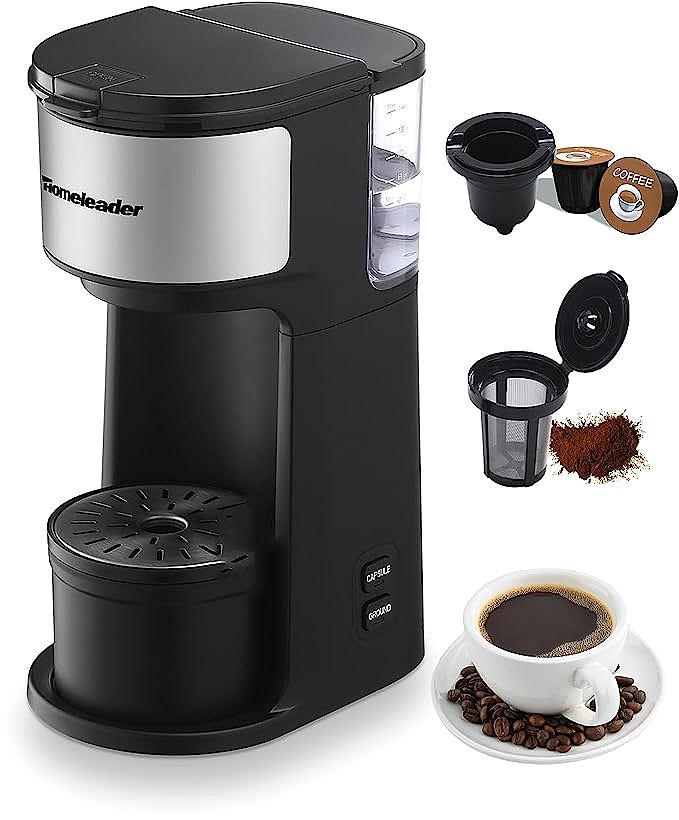
ZACME ZJ-CM36A01 Single Serve Coffee Maker

ZACME ZJ-CM36A01 Single Serve Coffee Maker
ZACME ZJ-CM36A01 Single Serve Coffee Maker is the machine this piece walks through: what each of its numbers does, how the cup sizes translate into refills, and what keeps the brew steady between uses. The body stands 12 inches tall and 6 inches wide, and the K-Cup dose fills an 8 oz cup, a 10 oz cup, or a 12 oz mug, all from the same fixed brew strength.
How much the 1000 w element does
The element runs at 1000 w, and that figure is the entire thermal story of a single serve. Water from the reservoir is pulled through the pod in one short pass, and the heat the element feeds into that pass is what produces the coffee. A single cup moves a small amount of water over a short path, so a moderate power rating is enough to fill the cup in minutes instead of the long extraction a full pot asks for. That is the real reason a maker built for one cup does not carry the heavy power figures of a family-size drip machine: the job is small and the water path is short, so 1000 w lands the brew fast without a long wait. The same element also sets the temperature the brew drinks from, which is why one power figure does the whole job. Once the K-Cup pod is in place, the pod handles the dose and the element handles the heat; nothing else on the counter takes part in the cup.
What the 48 oz reservoir buys
Fill the reservoir to 48 oz and it serves six 8 oz cups, or four 12 oz mugs, before it asks for water again. The 10 oz size lands at just over four cups between refills, because 48 oz sits well ahead of four 10 oz pours with a little left in the tank. Six 8 oz cups is the long version of the same arithmetic: divide the 48 oz by the 8 oz pour and the tank hands out six full servings. That is the number the maker really answers with, because it sets how many people can have a cup in one sitting before anyone touches the tap. A household that drinks a cup each at the morning can run out of the tank through the whole breakfast and still have water for the second round. The reservoir lifts out for the fill, and the element draws from it along the same short path that feeds the pod, so a refill takes a pour at the sink rather than a wait.
What the 48 oz math looks like at all three sizes
The 48 oz number changes meaning with the size the pour lands on: at the 8 oz setting the tank hands out six full cups, at the 10 oz setting just over four, and at the 12 oz setting four mugs before the tank asks for water again. The person who drinks the short 8 oz cup finishes the tank in one morning session, and the one on the 12 oz stretch runs out by the fourth pour. None of the math moves the dose, because the K-Cup pod fills every size the same way and the 1000 w element runs the same pass through it; the only number that ever changes between refills is the pour, and the 48 oz volume is sized around the 8 oz cup because that is the size the morning drink lands on. A household split between the 8 oz and the 12 oz drinks covers a full two-person morning with two pours and still keeps water in the tank for the second cup of either size.
Where it sits on the counter
Counter space is the first constraint, and the 6 inch width is the number the counter argues about. That width is narrow enough to stand beside a kettle or a toaster, and the 12 inch height clears an open shelf without forcing a rework of the mug row above it. Those two figures are the practical reason the maker suits a small kitchen rather than a full coffee station: the body claims only the space it needs, so the row of mugs stays where it is. In a bigger kitchen, the same footprint earns its place by being the least visible of the small appliances it stands next to, which keeps the counter open for whatever comes along next.
Choosing the cup size
All three sizes pull from the same K-Cup dose and the same 1000 w element; only the water changes. The 8 oz setting gives a short, strong pour for a small cup, the 10 oz setting lands the standard mug full instead of the larger measure running past the rim, and the 12 oz stretches the same brew into a longer, slower drink. Because the dose does not move between settings, the flavor comes from the same brew; the extra water on the 12 oz simply thins it. The person who keeps the cup short picks 8 oz, and the one who wants the slow afternoon drink picks 12 oz. The settings also set the pace of the pour: the short 8 oz finishes first, and the 12 oz runs long enough that the drink keeps its heat into the last of the cup.

The morning, start to finish
In the morning the routine is one motion: the K-Cup pod drops into the basket, the reservoir already holds water, and the 10 oz setting lands the cup full. While the element runs, the 12 inch body stays where it stands on the counter; nothing else gets touched between the pod going in and the cup filling. The maker is sized so the whole act takes a few minutes, and the cup is ready before the habit outgrows the kettle. For two people the tank covers the second cup of the morning with water to spare, because the 48 oz volume sits ahead of two 10 oz pours. The order of it matters less than the fact that nothing in the morning asks for attention between the pod and the cup. The pod drops in, the element runs its pass through the dose, and the drink is off to where the day is going, all without leaving the counter.

Keeping the brew steady month to month
The basket and the drip tray lift out for a quick rinse after each serving, which keeps the small water path clear and the next cup honest. A monthly descale pass holds the 1000 w element at a consistent temperature through the K-Cup pod, so the cup the ZACME ZJ-CM36A01 pulls now matches the cup it pulled when it was new; scale inside the element is what shifts a maker from the first-cup taste to a thin one. On the days the maker rests, the reservoir lifts off and the body dries out, because a sealed, damp interior is where a single serve coffee maker turns sour before the next brew. Between months, the maker holds its first-week taste: the rinse keeps the water path honest, the descale keeps the element honest, and the dried interior keeps the next cup from tasting of the last one. The rinse costs a few seconds at the sink, and the monthly pass is the only routine that asks for more. None of it stacks up, and the steady cup is what pays it back.
ZACME ZJ-CM36A01 Single Serve Coffee Maker
Related Essays

ZACME CM-1: Your 4-in-1 Home Coffee Barista | Fresh Coffee, Made Easy

Sincreative KCM207 Single Serve Coffee Maker: Your Personal Barista for Delicious Coffee and Lattes

Keurig B145 OfficePRO Brewing System

Single Serve Coffee Maker Buying and Usage Guide

Gevi 10 Cup Coffee Maker: Grind & Brew Setup and Cost

BELLA Dual Brew Single Serve Maker

Keurig K-Express K-Cup Single Serve Coffee Maker
Famiworths Iced Coffee Maker: Your Perfect Cup of Hot or Iced Coffee, Simplified
Keurig K-Café Single Serve Coffee, Latte & Cappuccino Maker: Home Brew Science Simplified