The Physics of Flavor: Deconstructing the Moka Pot
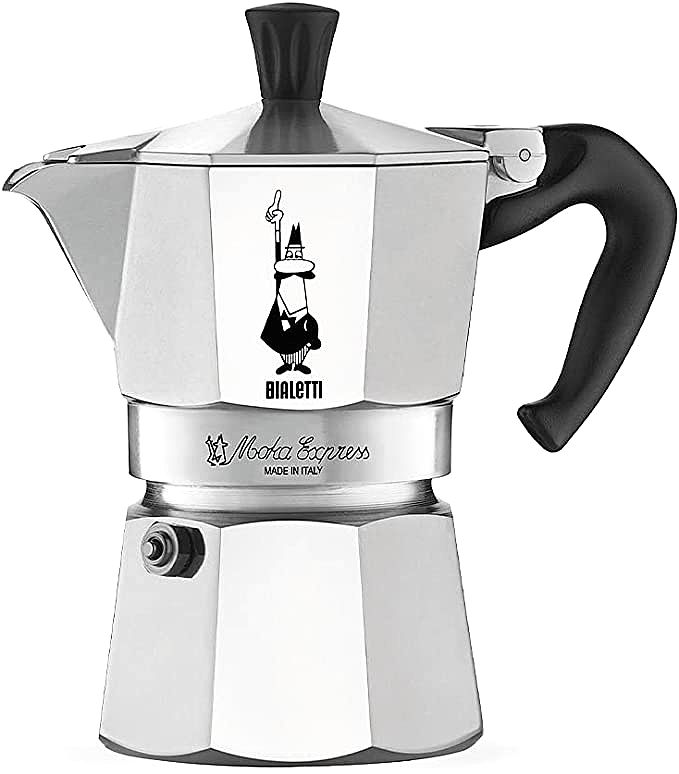
Bialetti Moka Express
The Physics of Flavor, Deconstructing the Science of the Moka Pot
Steam pressure is the whole story of the moka pot, a small aluminum boiler that pushes hot water up through the coffee by the pressure of its own steam. The 6 cup Bialetti Moka Express at 50.29 dollars is a standard in the form, and this guide reads the flavor through that physics, because the cup of a stovetop moka pot espresso comes from a few numbers you can control.
The pressure is steam, not a pump
The pot does not use a pump, it runs on the steam from boiling water, and the pressure builds in the base as the water turns to gas. The gas pushes up through the coffee bed at about 1 to 1.5 bar, and it is far below the 9 bar of a pump espresso. The water enters the chamber at 88 to 94 deg C, and the contact time in the bed is short, so the extraction is a fast hot percolation rather than a slow pressure extraction. That is how the flavor is made, and it is why a moka cup is strong and concentrated without being a true espresso.
Grind and dose decide the strength
Strength comes down to the dose, and a 6 cup moka holds about 18 to 20 g of coffee in the funnel, and the grind is finer than a drip but coarser than an espresso powder, near 0.6 to 0.8 mm. A 18 g dose against the 240 ml the chamber collects lands a strong concentrated cup, and a 20 g dose pushes it darker and more bitter. The grind size moves the flow, and a 0.6 mm bed slows the water toward a 3 to 5 minute pull, while a 0.9 mm bed lets it rush through in under 4 minutes and the cup thins out. The 18 g to 20 g window is the one to keep, and the grind is the knob that holds it, so a finer bed stretches the pull toward 5 minutes while a coarser one rushes it under 4.
The chamber is where the cup is made
The top chamber is where the brewed coffee collects, and the 6 cup form holds about 240 ml of finished liquid, which is about 4 to 6 small cups of a strong 40 ml shot. The 18 g dose against the 240 ml chamber sets the strength, and the 3 to 5 minute pull on the stove is the window a stovetop moka pot espresso should land in. The pressure peaks early and drops as the water depletes, so the first cup out is the strongest and the last is the lightest, and the 240 ml is the honest amount the form makes in one cycle.
The aluminum body and the keep
The body is aluminum, which heats fast and holds the heat even, and the 6 cup Moka Express stands about 7 inch tall and weighs about 1.2 lb, which is the size that fits a small burner. The rubber gasket is the seal that holds the pressure, and it gives out first, so a replacement gasket every year is the maintenance the form needs. The keep is short on a moka pot, and the 240 ml cup is best within 10 to 15 minutes of the pull, because the aluminum cools fast and the chamber holds the brew warm only briefly. The 1 to 2 percent of the cup that oxidizes in the first 10 minutes is the reason to drink it fresh.
The per-cup cost
The per-cup cost is where the moka pot earns its place, and a 1 kg bag of coffee at 20 dollars is about 50 doses of 20 g, which is 0.4 dollars a cup against 5 to 6 dollars at a cafe. Over a year of two cups a day that is 290 dollars of beans against 3600 dollars of the shop bill, and the 50.29 dollar pot closes the gap over a few years. The same dose to chamber ratio sets the strength, and the 0.4 dollar cup is what makes the form worth the stove slot. If the household wants a strong concentrated cup at 0.4 dollars, the moka pot is the honest fit.
Stated plainly
One pull is a 1 to 1.5 bar steam push through a 18 to 20 g dose at 88 to 94 deg C, and the 6 cup Moka Express collects about 240 ml of a strong concentrated cup over 3 to 5 minutes. The 7 inch aluminum body and the 1.2 lb weight are the physical numbers to plan around, and the 0.4 dollar per-cup cost is the case for brewing at home. The physics is the pressure, the dose, and the time, and together they make the cup the moka pot is famous for.
In one line, this is a stovetop moka pot for espresso, and that is the whole promise it makes.

Reading the brew numbers
All told the moka sheet is a 300 ml base fill, a 18 to 20 g dose, a 0.6 to 0.8 mm grind, and a 1 to 1.5 bar steam pressure over 3 to 5 minutes. The 6 cup form collects about 240 ml of a strong concentrated cup, the body stands 7 inch tall and weighs about 1.2 lb, and the gasket is the part that needs a fresh seal every year. The same dose to chamber ratio sets the strength, and the 0.4 dollar per-cup cost is what makes the form worth the stove slot. and the 0.4 dollar per-cup cost is what makes the form worth the stove slot.

The 300 ml base and the fill line
The base is the reservoir, and a 300 ml fill is the volume the 6 cup form wants below the safety valve. A 300 ml fill against the 18 to 20 g dose lands the coffee to water ratio a stovetop moka pot espresso cup runs, and the fill line under the valve is the mark that keeps the steam from blowing through wet. The valve is the part that vents a blocked pot, and a clean port after each pull is the habit that keeps the release working. The safety valve opens near about 1.0 bar, so a clean port and a fill to the line are what hold the pull steady.
The gasket and the yearly seal
The rubber gasket is the seal that holds the 1 to 1.5 bar steam, and it is the part that wears out first on the 6 cup form. A gasket swap once a year is the maintenance the 7 inch aluminum body needs, and a dry gasket at reassembly is the habit that keeps the pressure in the base. The gasket sits between the 240 ml chamber and the 1.2 lb body, and a yearly seal is the small task that keeps the cup from leaking steam at the joint. A fresh gasket is what keeps the 6 cup form tight.
The 6 cup form on the counter
The 6 cup Moka Express is the size that fits a small burner, and the 7 inch height clears a low shelf. A 1.2 lb aluminum body heats fast on a 300 ml fill, and the 0.4 dollar cup is what makes the form earn its slot. The 240 ml chamber against the 50.29 dollar price sets the 6 cup value, and the yearly gasket is the cost that keeps the stovetop pull steady. The 7 inch body and the 1.2 lb weight set the footprint, and the 50.29 dollar price is the one that closes the gap over a few years.
Bialetti Moka Express
Related Essays
The Alchemy of Steam: Unlocking the Science Behind Your Moka Pot

Ilsa 3 Cup Stainless Moka Pot
The Kitchen Alchemist: Unpacking the Science and Soul of the Moka Pot
AIFUSI Moka Pot: Brew Authentic Italian Espresso at Home

The Little Engine: Unpacking the Science and Soul of the Moka Pot

The Physicist in Your Kitchen: Deconstructing the Science of the Stovetop Moka Pot


Alessi Moka Pot Guide: Design Meets Pressure Brewing
Bialetti Moka Express Alpina: a green three-cup moka pot