Stovetop Espresso Maker Science: Pressure, Dose, and the Easyworkz Diego

Easyworkz Diego Stovetop Espresso Maker
A stovetop espresso maker runs on steam pressure, not a pump. Water goes into the base chamber, the top half seals it, and heat does the rest: part of the water flashes to vapor, the vapor pushes the remaining water up a funnel and through a bed of coffee, and a concentrated brew collects in the top chamber. Nothing in that chain is complicated, yet the same pot can pour a syrupy shot one morning and a thin, bitter cup the next. The difference is almost never the metal. It is the dose, the grind, the water level, and the heat under the base.
The 4 cup Easyworkz Diego Stovetop Espresso Maker is a modern take on that design, and it is the pot used for the examples below. Getting a good cup from one comes down to a few variables, most of them under your control: how pressure builds, what the steel adds, and which numbers are worth keeping. None of it requires new equipment beyond a small kitchen scale.
How a stovetop espresso maker builds its pressure
Pots in this family go by the name moka pot, and the layout has barely changed since the 1930s: a base chamber, a funnel basket, a top chamber, and a seal between the halves. The base chamber is a modest pressure vessel. Once the two halves are screwed together, the only path out for the water is up through the funnel and the coffee bed. Heat raises the vapor pressure inside the base, and because the water cannot escape as steam, its boiling point climbs a little above the temperature it would reach in an open pan. Once that pressure is high enough to push through the resistance of the packed coffee, the water leaves the chamber and starts to climb.
The balance between push and resistance is why grind matters more here than in a drip machine. Fine coffee packs tighter, the bed resists more, and the water lingers against the grounds until harsh compounds join the cup. Coarse coffee opens the bed up, the water moves fast, and the drink lands weak and sour. The window between those two failures is narrow, so a pot of this kind responds to a consistent grind far more than an expensive one.

The climb itself takes less than 5 minutes on a normal burner, and that speed is useful. Feedback arrives while the pot is still warm, so a change to the grind shows up in the next cup instead of the next bag of beans.
What 18-8 stainless steel changes about the cup
The 18-8 stamp describes the alloy used for the body of the pot: by the standard recipe, 18 percent chromium and 8 percent nickel. Chromium is the part that shrugs off rust, and the nickel content backs up the corrosion resistance that keeps a polished surface bright after years of heating and washing. Stainless steel also has a practical advantage that shows up on day one: it does not season the way aluminum does.
Aluminum was the original material for this kind of pot, and it keeps two real advantages. The metal is light, and it moves heat quickly. Those come with long-term habits that steel avoids. Aluminum is soft, so threads and rims wear and pit over the years, and the porous surface holds coffee oils that a rinse never fully clears. Dishwasher detergent is hard on that oxide layer as well, which is why most aluminum pots carry a hand-wash line in the manual.
A stainless pot skips that tradeoff. The body of the Diego is 18-8 steel with a mirror polish, and the pot is dishwasher safe, which is the one line most aluminum designs never get to print. For anyone who wants cleanup to mean loading a machine rather than scrubbing a base, that single detail matters more than most of the specs.

There is a second material story in the base. Induction burners do not heat the air above them; they induce currents in magnetic metal, so a pot only works on that surface if its base is magnetic. The Easyworkz base is heavy magnetic stainless, which is why the same pot works on a gas ring, an electric coil, or an induction hob without an adapter plate.
Dose, grind, and water: where a bitter cup starts
Easyworkz suggests 16 g of fine grind for the full batch, and that dose lines up with the pot's capacity. The full batch pours 4 cups, so each cup carries roughly 4 g of coffee, which is a normal single serving in espresso terms. Weigh the 16 g for the first few brews rather than eyeballing the basket; after that, the scoop and the basket line become reliable enough.
Water goes into the base to just below the safety valve. The 4 cup chamber tops out at 6.8 fl oz, or 200 ml, and for water that same number doubles as a weight, so a filled base carries about 200 g on a scale. Fill past the valve and the base loses its air space, which is the cushion that lets steam form without pushing water up the funnel too early.
Grind quality decides how the bed behaves. Aim for a texture a little finer than what a drip brewer wants, close to fine table salt, and level the basket with a light shake instead of a tamp. Pressing the coffee down is what turns a smooth climb into a choked pot that sputters and stalls.

Heat, timing, and the 5 minute window
Heat is the variable people rush, and the pot punishes that more than any other mistake. A stovetop espresso maker does not need a roaring flame. Medium-low is enough to bring the base up to temperature, and a flame that wraps around the sides of the base only scorches the coffee as it climbs. If the handle or lid ever feels too hot to hold, the burner is set too high; the hollow insulated lid and grip on this pot soften that signal, so trust the sound and the color of the stream instead.
The brew finishes close to 5 minutes from cold water, and it runs faster if the base starts with hot water from a kettle. The end announces itself well before the timer would. A pale, sputtering stream means the water is running out and the base is heating empty metal, which is the moment to cut the flame and let the last of the pressure finish the pour.

Cutting the heat at the first sputter
The sputter is not a warning that the brew is weak. It is steam, and steam passing through the coffee bed at the end of the cycle adds bitterness that no grind setting can fix. Killing the heat at that point keeps the last few seconds of pressure working in your favor, because the sealed base keeps pushing water up for a moment after the burner goes off. Empty metal under a hot flame is also the fastest way to cook the gasket, and a gasket is a part worth treating gently.
Brewing less when it's just you
Not every morning calls for four cups. A small reducer that comes with the pot lets you brew less in a single run, which comes in handy when it's just you. The routine stays the same: same grind, same technique, just a smaller result in the top chamber.
There's a simple bit of reassurance built into the base too. If the path through the coffee ever blocks and pressure starts to climb more than it should, the valve on the base gives it a way out. It's the kind of thing you might glance at while giving the pot a quick rinse - if it ever looks stuck with old grounds, a gentle clean usually keeps it flowing as it should.
Small hardware often decides whether a pot earns counter space, and the details here lean practical. The whole cycle stays in 5 minutes or less on a medium flame, the lid comes off for a scrub, and the steel body takes a dishwasher cycle when the week has been busy.
Settling into a daily rhythm
Routine is the whole game with a stovetop espresso maker, and it tends to click into place within the first month. A quick rinse while the steel is still warm, a wipe of the gasket seat, and leaving the two halves loose between brews goes a long way. Since 18-8 steel doesn't hold old oils the way aluminum does, most days just need a rinse, with a dishwasher cycle every week or two when it's convenient.
The pot itself is a straightforward piece of hardware. The 4 cup Easyworkz Diego Stovetop Espresso Maker (ASIN B08GJDQH9P) lists at $39.99 and is often in stock. What matters most day to day, though, is how little fuss it asks for once the rhythm is set.
A weekday morning with the Easyworkz Diego
On a Tuesday at 6:40, the kettle is still warm from the first cup of the day, and the base gets hot water to just under the valve. The 16 g dose gets leveled in the basket, the top screws down, and the pot lands on a medium flame. The first dark ribbon appears at the top of the funnel a little over 4 minutes later, and the cup is poured inside 5 minutes from the start. The pot gets a rinse while it cools, and the kitchen is dark again before the second alarm would have gone off.
That routine is boring on purpose, and boring is what makes it repeatable. Weigh the dose, fill to the same line, set the same flame, and the cup stops being a lottery. A pot with a narrow range like this one only feels fussy on the first few mornings; after a week, the scale and the timer mostly stay in the drawer because the sound of the brew tells you where you are.
A pot is a simple machine, and the coffee it makes is a record of the choices around it: the grind, the water line, the heat, and the moment you take it off the burner. Change one variable at a time, and the cup turns into an experiment instead of a guess. Keep that habit, and any well-made stovetop espresso maker will do the job, whether it carries the Easyworkz Diego badge or not.
Easyworkz Diego Stovetop Espresso Maker
Related Essays
Overcoming Bitter Brews: Thermodynamics and Metallurgy in Coffee Extraction

How to Choose and Use a Stovetop Espresso Maker


Alessi Moka Pot Guide: Design Meets Pressure Brewing

Why the Metal in Your Moka Pot Matters: A Guide to Stainless Steel Espresso
Primula PES-3303: Brewing Authentic Espresso at Home with a Classic Moka Pot
Zulay Classic Italian Style 5.5 Espresso Cup Moka Pot: Technical Guide
Stainless Steel Moka Pots: Material Safety and Visual Brewing Explained
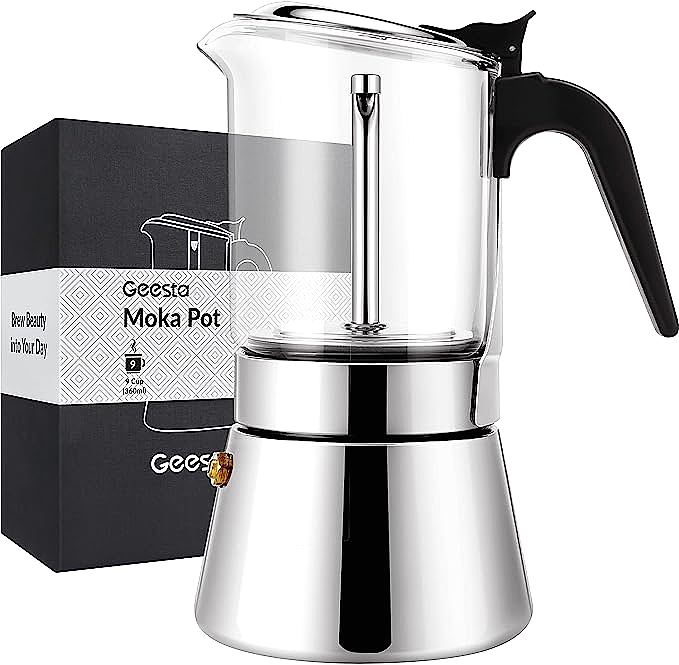
GEESTA Premium Crystal Glass-Top Stovetop Espresso Moka Pot - Authentic Italian Coffee at Home
