Espresso Crema: How the Foam Forms and Why a Shot Falls Flat

Lavazza Super Crema Whole Bean Coffee
A shot of espresso runs its whole story inside a minute. A dark stream turns lighter as it leaves the basket, a raft of tiny bubbles gathers on top, and the drink settles into layers in the glass. That top layer, the crema, is the part most people photograph first and the part home setups find hardest to repeat. When it shows up thin and pale and fades before the first sip, the cup below it usually tastes hollow too, so the foam works as a fast report on everything that led to it.
This article follows espresso crema formation the way the cup shows it: where the gas in the foam comes from, which bean and roast choices feed it, and which moves at the machine keep it alive or kill it. One bag works as the running example, because its label promises the exact trait under discussion: Lavazza Super Crema Whole Bean Coffee, Medium Roast, Arabica and Robusta Blend, a 2.2 lb bag of whole beans. The name on the bag is the claim. The rest of this piece is the chemistry behind it.

What crema is made of
Crema is a foam, and a foam needs three things at once: a gas to fill the bubbles, a liquid to build their walls, and a stabilizer to keep those walls from collapsing. In espresso, the gas is carbon dioxide left over from roasting. The liquid is water carrying dissolved coffee solids, and the stabilizer is a mix of coffee oils and other compounds that coat each bubble and slow the drain. Take one of the three away and the layer explains its own failure: no gas leaves no bubbles, and no oils leaves bubbles that pop the moment they form.
The carbon dioxide does not sit in the bean as free gas. Roasting builds pressure inside the bean's cell walls, and much of the gas stays trapped in small pores once the beans cool. Grinding opens those pores and lets the gas start escaping, which is why ground coffee smells so loud and goes flat so fast. When hot water under pressure floods the puck, some of that trapped gas dissolves into the brew; when the liquid leaves the machine and the pressure drops, the gas can no longer stay dissolved. It leaves the water as a rush of microscopic bubbles, and the oils catch them before they rise out and burst.
Why Robusta earns its place
Espresso crema formation depends on the bean, and the two commercial species pull in different directions. Arabica carries much of the oil that gives a shot its body and its aroma, but it holds on to less of its gas. Robusta is the steadier reservoir. Its cell structure keeps more carbon dioxide locked inside, so a blend that leans on Robusta foams more readily and holds its layer longer. That is one reason Italian espresso blends rarely run on Arabica alone, and why the example bag pairs the two.
How the roast and the clock shape the foam
Roast level moves the same balance from the other side. A roast that stops early leaves the beans dense, grassy, and hard to extract; a roast pushed too far burns off the compounds that make the aroma interesting and trades them for ash and bitterness. A middle stop, medium or a touch darker, keeps the sugars that caramelize into sweetness and leaves enough structure in the bean to hold its gas without smothering the flavor. The example bag sits at that medium stop, which suits a blend built for a creamy finish rather than a sharp edge.
Freshness decides how much gas is left to work with, and it is the variable home setups miss most often. A bag roasted this week still holds most of its carbon dioxide; a bag that sat on a shelf for months holds very little, and no grinder setting can put that gas back. The same slide happens inside a single bag. The first shots after opening foam richest, and the last shots a few weeks later run thinner. A roast date and a tight seal earn their keep for exactly this reason.
How the machine turns grounds into foam
Espresso machines exist to push water through a bed of fine grounds quickly enough to pull flavor out without dragging bitterness along, and two settings carry most of that job. A pump rated at 9 bar drives water into the puck, the coffee pushes back, and the balance between the two sets the flow. Grind too coarse and water races through with little to show for it; grind too fine and the puck chokes, the flow stalls, and the shot turns harsh and uneven. The window most guides print for a normal shot is 25-30 seconds, counted from the moment the pump starts.
Pressure is the reason the foam exists at all, and it is where cheap machines and good ones usually part ways. The gas in the grounds only dissolves under pressure, so a machine that cannot hold steady pressure through the pour produces a shot that starts thick and finishes watery, with a layer that dies on the way to the cup. Temperature works along the same track. Water that runs too cool leaves the cup sour and thin; water that runs too hot strips out bitter compounds and scorches the oils before they can steady the bubbles.
None of that demands an expensive setup. A machine that holds its pressure, a grinder that moves in small steps, and a scale that reads grams cover the mechanical side of the job. Everything else comes down to the coffee itself, and that is where espresso crema formation gains or loses its raw material.
What the layer tells you
The layer carries information if you look before the first sip. A healthy pour shows a tight, even raft of small bubbles with a color that runs from dark caramel at the edges to a warm tan in the middle, and it should hold its shape while the drink cools. Trouble shows up in a few common shapes. A pale, thin film that barely covers the surface usually points to old beans or a grind that lets the water rush through. Bare white patches or a hole in the middle mark an uneven puck, where water found a channel and skipped most of the coffee. A layer that looks dark and foamy but vanishes in seconds comes from beans that lost their gas before they ever reached the basket.
The color of the stream says the same thing while you watch. A pour that starts dark brown and slowly lightens is extracting evenly; one that jumps to blond within a few seconds is already past its useful window, and the crema that follows will be pale and weak. Read the first drops, read the layer that lands in the cup, and the brew points to the move to make before you taste anything.
A weekday shot with the Super Crema bag
Dialing in Lavazza Super Crema for the first time
A weekday morning makes the variables easy to watch. The machine warms while the grinder runs, the Lavazza Super Crema bag (2.2 lb, about 1 kg) comes down from the shelf, and the dose goes into the basket at the figure from the bag's own brew guide: 0.28 oz of ground espresso for a 1 oz shot, which lands close to 8 g on a scale. The tamp lands level, the portafilter locks in, and the pump starts the clock.
The first drops arrive dark and syrupy, and the stream settles into a thin braid that keeps its color for most of the pour. The shot finishes inside the usual 25-30 second window, and the layer builds tan and tight at the edges while the cup cools enough to drink. The cup follows the description on the bag: full-bodied, with a creamy finish rather than a sharp edge. Freshly opened, espresso crema formation runs at full strength and the layer lingers; a few weeks in, the same recipe runs a shade thinner, which is the calendar doing its work.
The rest of the label adds context for the pour. The beans come from 15 coffee-growing countries, the blend runs Arabica and Robusta together, the roast stops at medium, and the ingredient list holds a single word: coffee. The plants that roast and pack it handle nothing else, so nothing rides along with the beans. The Lavazza Super Crema bag carries ASIN B000SDKDM4 and lists at $26.99 (live check, October 2026).
How the line moves from mild to bold
Blend and roast choices are not guesswork, and the same roaster's shelf shows the span. The 100% Arabica bag in the line (B00P0ZMWEC), a 2.2 lb sibling, pours a lighter, faster-fading layer, which makes it a useful test of how much foam the Robusta share contributes to a blend.

Lavazza Espresso Barista Gran Crema (B005OJ4X32) goes the other way, sold in the same 2.2 lb format with a darker roast and a heavier body for drinkers who want a bolder cup. Super Crema holds the middle of that range: enough Robusta to build a lasting layer, enough Arabica to keep the cup balanced, and a medium roast that supports both.

The same Lavazza Super Crema blend also ships in a 22 oz bag (B0DV1HTF6K) when a smaller bag suits the shelf better.
When the layer falls flat
When espresso crema formation stalls, the answer rarely includes a new machine. Work through the variables in the order that costs the least time and money. Start with the bag: if the beans are more than a few weeks old, or the bag has sat open, fresh coffee is the fix, and no setting on the machine will bring the foam back. Next, taste the shot and read its speed. A pour that finishes in a flash and tastes sour wants a finer grind; one that crawls and tastes bitter wants a coarser one.
Then look at the puck. Grounds that were dumped into the basket in one heap and tamped level can still channel if they were never distributed; a quick stir or shake before tamping costs five seconds and evens the bed. Keep the basket rim clean as well. Old grounds stuck above the gasket pull the water to one side, which shows up as a pale patch in the layer and a thin, uneven cup.
The last stop is the machine, and it is where some home setups quietly give up on foam. A pump that cannot hold pressure, a shower screen caked with old oil, or water that never reaches brewing temperature will flatten the pour before the coffee has a chance. A clean group, a fresh descale, and a full warm-up protect the chemistry the beans already brought to the basket.
Where to start tomorrow morning
One bag stays on the counter while the grind and the dose move one at a time. If the layer still falls flat with fresh beans, tighten the grind by the smallest step the grinder allows and watch the pour time move toward the front of the 25-30 second window. If the pour runs long and the layer turns pale, loosen it. Hold the dose steady at the bag's listed 0.28 oz, or 8 g, while you test, because moving two variables at once hides which one worked.
Measure the result the same way every time: how the stream finishes, how long the layer stands, and how the cup tastes once the bubbles are gone. The Lavazza Super Crema bag is one steady example, and the same routine carries over to other fresh espresso blends. A bag built for foam, a grinder that holds a step, and a habit of changing one thing per shot will take you further than any single upgrade. Pull the next shot, read the layer, and adjust one step. The cup answers in under a minute.
Lavazza Super Crema Whole Bean Coffee
Related Essays

Espresso Variables: Getting Consistent Results with the Gevi GECME403L-U

How a Home Espresso Machine Works and How to Use It
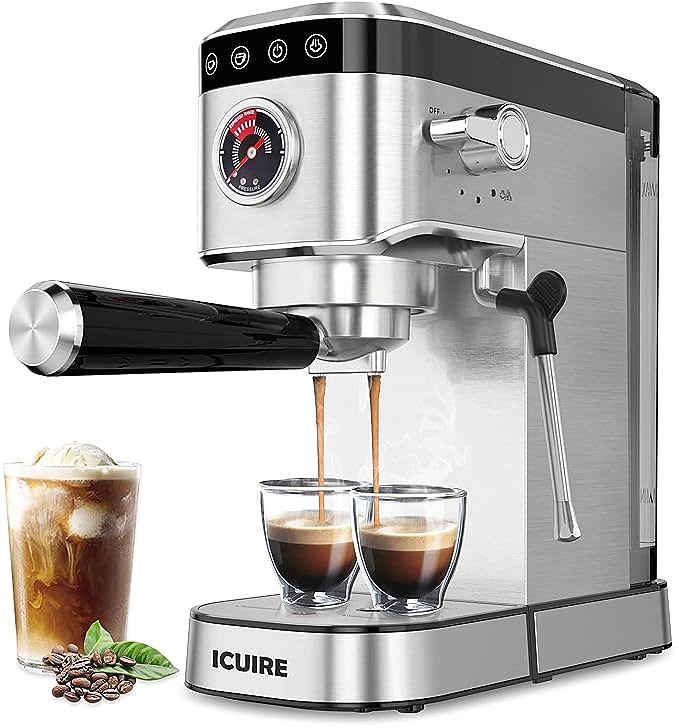
ICUIRE CM5100 20 Bar Espresso

Beginner Espresso Machine Guide: What Actually Matters

CHULUX Slim Espresso Machine: 20-Bar Espresso for Your Home Kitchen

IAHAUCH CM3080 Espresso Machine : The Science of 20 Bar Home Brewing

Gaggia Classic Evo Pro: Mastering Espresso Science at Home

De'Longhi Dedica EC680M: Brewing Barista-Quality Espresso in a Slim Design

Rocket Espresso Appartamento Nera: Compact Design Meets Cafe-Quality Espresso
