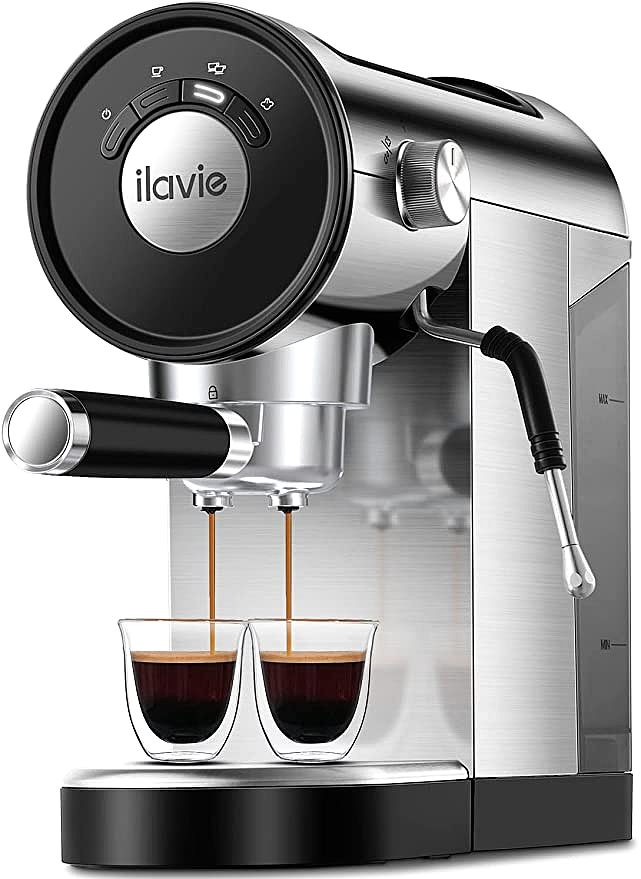
ILAVIE K6 Espresso Machine: 20-Bar Pressure, PID Temperature, and 30 Grind Settings
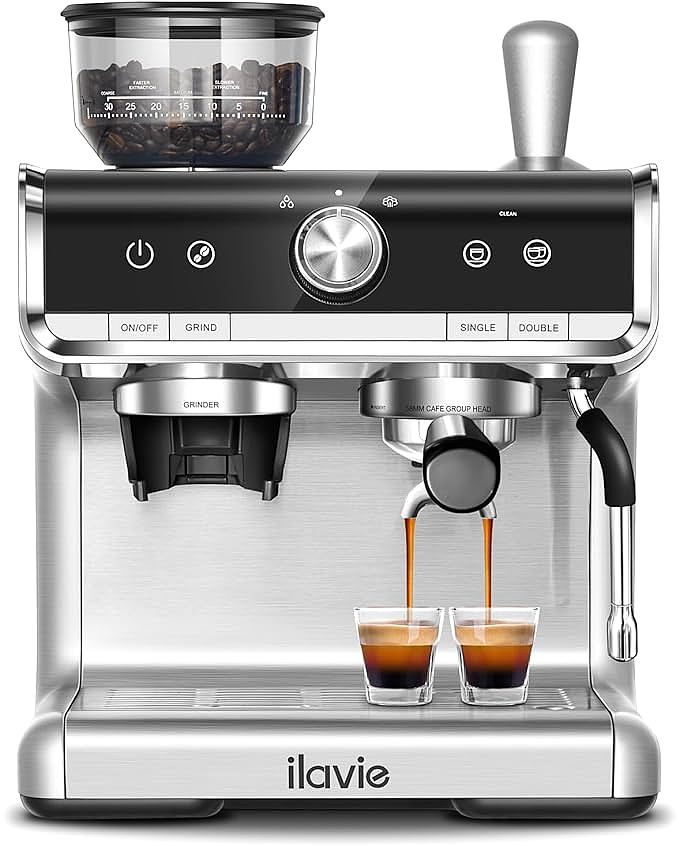
The kitchen counter at 6:47 AM holds a quiet promise. A stainless steel machine hums to life, its control panel glowing with readiness. The ILAVIE K6 (CM5020-UL) Espresso Machine sits ready to transform whole beans into a double shot of espresso in about two minutes. For anyone comparing an ILAVIE K6 espresso machine against cafe equipment, this compact unit is where the comparison usually ends. This is not a complicated ritual. It is a precise sequence of grinding, tamping, brewing, and steaming, guided by engineering that puts commercial-grade components within reach of a home barista.

Grinding: Where Flavor Begins
Whole coffee beans contain hundreds of aromatic compounds sealed within their cellular structure. Grinding breaks those structures open, exposing the compounds to air and water. The machine uses a stainless steel conical burr grinder with 30 distinct settings, adjustable via the grind knob on the front panel. The manufacturer suggests levels 7 through 15 as a starting point for espresso, producing a grind texture similar to table salt.
Conical burrs crush beans between a rotating inner cone and a stationary outer ring. This crushing action generates less heat than blade grinding, preserving volatile oils that contribute to aroma. The dosing system includes anti-static technology, reducing the coffee dust that clings to surfaces and causes inconsistent doses. Ground coffee falls directly into the 58mm portafilter basket, ready for tamping.
A double shot takes 17-19 g of coffee, packed firmly into the basket. The 58mm diameter matches commercial cafe equipment, allowing even water distribution across the coffee bed. This uniformity matters because water follows the path of least resistance. Uneven grounds create channels where water rushes through, leaving other areas under-extracted.
The grind size directly affects extraction time. A finer grind slows water flow, increasing contact time and extracting more compounds. A coarser grind speeds water flow, reducing contact time and extracting fewer compounds. Finding the right balance for a specific bean and roast level is part of the craft. The 30 settings on the machine provides enough granularity to dial in the extraction for light roasts, dark roasts, and everything between.
Freshness degrades quickly after grinding. Volatile compounds begin escaping within minutes, and oxidation accelerates. Grinding immediately before brewing preserves the aromatic complexity that makes espresso distinct from other coffee preparation methods. The integrated grinder on the machine eliminates the delay between grinding and brewing, capturing peak freshness.

Pressure and Extraction: The 20-Bar Pump
Espresso differs from drip coffee in one fundamental way: pressure. The machine uses a 20-bar pump to force hot water through compacted coffee grounds. While the ideal pressure at the coffee puck is around 9 bars, a 20-bar pump provides headroom to maintain consistent flow against the resistance of a fine grind.
The extraction process takes 20 to 30 seconds for a double shot. During this time, water dissolves soluble solids and emulsifies coffee oils with carbon dioxide gas trapped in the grounds. This emulsion creates crema, the reddish-brown layer that crowns a well-pulled shot. Crema contributes aroma, body, and a lingering aftertaste that distinguishes espresso from other brewing methods.
Before full pressure engages, a pre-infusion stage wets the grounds at low pressure. This allows the coffee to bloom, releasing trapped gas and preparing the puck for even extraction. After brewing completes, an Automatic Pressure Relief system releases residual pressure, producing a drier puck that knocks out cleanly from the portafilter.
The 20-bar rating refers to the pump maximum output, not the pressure at the puck. During actual extraction, pressure drops as water flows through the coffee bed. The pump works to maintain consistent pressure throughout the shot, adjusting for changes in resistance as the grounds saturate and expand. This stability is what produces repeatable results from one shot to the next.
The front panel keeps every control in view while the shot runs: SINGLE and DOUBLE buttons to start the program, a grind knob to set the burr position, and a CLEAN indicator light. Those controls carry the basic troubleshooting loop. When a shot runs fast and tastes thin, turn the grind knob a step or two finer; when the flow turns bitter or stalls, step it coarser.

Temperature Control: the Double PID System
Water temperature determines which flavor compounds dissolve during extraction. Too cool, and espresso tastes sour and underdeveloped. Too hot, and the grounds scald, producing harsh, bitter notes. The machine addresses this challenge with a ThermoJet Fast Heating System that reaches brew-ready temperature in approximately 30 seconds.
The Double PID Temperature Control system maintains water temperature within a tight range. PID stands for Proportional-Integral-Derivative, a closed-loop control method that continuously monitors and adjusts the heating element. The system allows temperature adjustment from 88°C to 96°C in 2°C increments, with a factory default of 92°C (197.6°F).
This adjustability matters because different coffees have different optimal extraction temperatures. Darker roasts benefit from slightly lower temperatures to tame bitterness. Lighter roasts often need higher temperatures to fully develop their acidity and aromatic complexity. The machine gives the home barista control over this variable, turning temperature from a fixed parameter into a tunable input.
A cup preheat tray on top of the machine warms ceramic cups before brewing. A cold cup acts as a heat sink, dropping espresso temperature by several degrees within seconds. Pre-warming the cup preserves the thermal energy of the extracted shot, maintaining optimal drinking temperature from first sip to last.
The ThermoJet system heats water on demand rather than maintaining a large reservoir at temperature. This approach reduces energy consumption and eliminates the wait for a boiler to heat up. The trade-off is that back-to-back shots may require brief pauses for the system to reach temperature again, though the 30-second initial heat-up minimizes this delay.
Steam and Milk: Creating Microfoam
Milk-based drinks require textured milk, and the machine includes a steam wand for this purpose. The wand injects hot, dry steam into cold milk, simultaneously heating it and introducing air. The goal is microfoam: a velvety, glossy mixture with air bubbles so small they are virtually invisible.
Whole milk works best because its balance of fats and proteins creates stable foam. The process involves two stages. First, stretch the milk by holding the wand near the surface, introducing air and increasing volume. Then, submerge the wand deeper to break down larger bubbles into uniform microfoam, creating a swirling vortex within the pitcher.
The steam wand also dispenses hot water for Americanos or tea. A 360-degree rotating design allows positioning the pitcher at any angle, giving the user control over the aeration process. Practice develops the skill, but the machine provides the consistent steam pressure needed for repeatable results.
Milk temperature matters for both texture and taste. Overheating milk above 70°C (158°F) scalds the proteins, destroying the sweet flavor and creating a cooked taste. The ideal range is 60°C to 65°C (140°F to 149°F), hot enough to be warm but cool enough to preserve sweetness. A thermometer helps, but experienced baristas learn to judge by touch on the pitcher exterior.
The quality of microfoam depends on milk freshness, temperature, and technique. Fresh cold milk produces the best foam because the proteins are intact and the fats are properly emulsified. Starting with milk straight from the refrigerator at 4°C (39°F) gives the most time to texture before reaching the target temperature. Warm milk from the counter textures too quickly, leaving large bubbles instead of uniform microfoam.

Daily Use and Maintenance
The machine is designed for daily use. A 2.8-liter (95 oz) removable water tank reduces refilling frequency, especially when making multiple drinks or Americanos. The backlit control panel and grind knob provide straightforward control over grind time, dosage, and brewing parameters.
Stainless steel construction covers the main body, offering durability and thermal stability. The removable drip tray includes a float indicator that rises when the tray is full, preventing overflows. An integrated tool box stores cleaning brushes, pins, and extra filter baskets, keeping accessories within reach.
Regular maintenance includes wiping the steam wand after each use, emptying the drip tray, and descaling on a schedule set by your water hardness and weekly shot volume. The 58mm portafilter and filter baskets on the CM5020-UL are removable for rinsing under running water. These routines take minutes but extend the machine lifespan and preserve shot quality.
The water tank lifts out for filling at the sink, eliminating the need to move the entire machine. A handle on the tank makes carrying easier, and the wide opening allows quick filling without spills. The tank holds enough for a long run of shots before it needs a refill, though milk drinks and Americanos draw it down faster.
Descaling clears mineral buildup from the heating elements and water channels. Hard water leaves scale faster, so the job comes around more often, while soft water stretches the interval. A commercial descaling solution or diluted citric acid handles the routine: run the solution through the water path, then flush with fresh water until the rinse runs clean.

How the Machine Compares
The espresso machine market at the $50 to $70 price point includes numerous 20-bar machines, but few provide the combination of features found in this machine. Most competitors in this range use smaller portafilters (51mm or 54mm), fewer grind settings (15 to 20), and single PID or thermoblock-only temperature control.
The 58mm portafilter on this ILAVIE K6 stands out as a commercial-grade component rarely seen at this price. Combined with 30 grind settings and a Double PID system, the machine delivers a level of control that approaches machines costing $150 or more. The anti-static dosing system and automatic pressure relief are additional details that address common pain points in home espresso preparation.
For the home barista who wants to experiment with different beans, grind sizes, and temperatures, this espresso machine provides the tools without requiring a steep learning curve. The 7 to 15 grind range suggestion gives beginners a starting point, while the full 30 settings allow exploration as skills develop.
The 1450W system and its 1500W motor rating place the machine in the same range as most competitors, but the ThermoJet heating system and Double PID control give it an edge in temperature stability. Machines at this price often use simple thermostats that swing 5°C to 10°C during extraction, while the PID system holds temperature within a degree or two of the target.
From Bean to Cup
The ILAVIE K6 (CM5020-UL) Espresso Machine brings together grinding, pressure, temperature, and steam in a single countertop appliance. Its 20-bar pump, Double PID control, 58mm portafilter, and 30-setting grinder address the four variables that determine espresso quality: dose, grind, pressure, and temperature.
Understanding these variables transforms coffee preparation from a routine into a craft. Grind size changes extraction time. Temperature changes flavor profile. Dose changes strength. The machine gives the home barista direct control over each of these parameters, turning the kitchen counter into a small cafe.
The machine does not replace the barista. It provides the instruments. The user provides the curiosity, the palate, and the willingness to experiment. With those elements in place, the machine becomes a reliable partner in the daily ritual of turning whole beans into a precise, satisfying cup of espresso.
Starting with whole beans, grinding fresh, tamping firmly, and brewing at the right temperature and pressure produces a shot that no pre-ground coffee can match. This espresso machine makes this process accessible, repeatable, and enjoyable. That is the real value of a well-designed home espresso machine.
Becoming a confident home barista follows a predictable path. First, learn to pull a consistent shot at the manufacturer suggested settings. Then, experiment with grind size to change extraction time. Next, adjust temperature to match different beans. Finally, develop milk texturing skills to complete the range of cafe drinks. The machine supports each stage with the precision and control needed to progress.
Regular use reveals the machine strengths and limitations. The 30 grind settings accommodate a wide range of beans, from light Ethiopian roasts to dark French roasts. The PID temperature control allows fine-tuning for each origin. The steam wand produces consistent microfoam with practice. These capabilities grow with the user, making it a long-term partner rather than a stepping stone to a more expensive machine.
Related Essays

From Milanese Steam to Microprocessor: The Scientific Heritage of the Gaggia Accademia Espresso Machine

Kwister CM1687 Guide: The Numbers Behind the Shot

Capresso Café TS Touchscreen Espresso Machine: Brew Barista-Quality Coffee at Home
The Espresso Compromise: Unpacking the Science and Engineering in a Home Coffee Machine
CASABREWS CM1699 20 Bar Espresso Machine: Barista-Quality Coffee at Home
Why Is My Espresso Puck Wet? An Engineer's Guide to the Ihomekee CM5200 and Home Espresso Machines
Yabano cm6851 15 Bar Espresso Machine with Milk Frother
The Science of the Shot: A Deep Dive into the MAttinata CM1662 Espresso Machine
ILAVIE CM-5060 Espresso Machine: Barista-Quality Coffee at Home