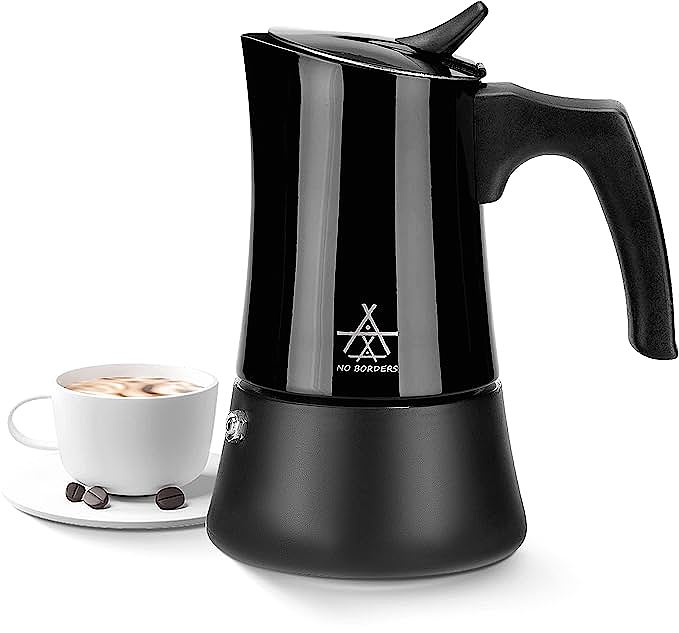
Minos Moka Pot Guide: Italian Espresso, Modern Steel
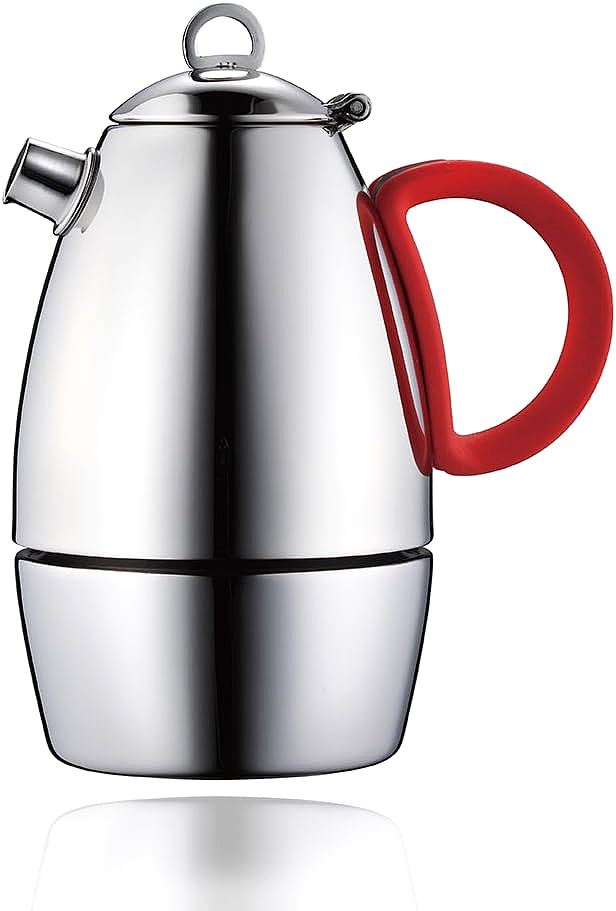
Minos Stainless Steel Moka Pot
The Minos Moka Pot: A Modern Take on the Italian Classic
The Minos Stainless Steel Moka Pot slots into a lineage of stovetop brewers that is easy to dismiss as a novelty, yet its engineering is deliberate. Where the original Italian moka pot leaned on cast aluminum, the Minos is built from heavy-gauge stainless steel aimed at induction hobs and dishwasher durability, and its 6.8 oz capacity is sized for two to four demitasse cups. Getting the best out of it comes down to the same three levers as any stovetop brewer: pressure, dose and heat.
What the steel build changes
The first thing the heavy-gauge steel does is hold heat more evenly across the chamber wall. Aluminum pots fire up fast but can scorch a fine grind on a high flame; the pot's steel body warms more gradually, which suits a medium grind and a medium-low burner. The second benefit is chemistry. Stainless is non-reactive, so there is no metallic aftertaste to leach into the cup, and the pot will not pit or corrode the way a cheap aluminum pot does after years of boiling. Against a 17 dollar cast aluminum rival, the 99.99 dollar price buys a longer service life and a cleaner cup.
Reading the 6.8 oz capacity
Capacity on a moka pot is rated by brewed coffee, not water. The pot is specified at 6.8 oz of output, which the maker rates in 1.7 oz espresso shots. That works out to four shots of 1.7 oz, or two double servings of about 3.4 oz each. To fill it you load the bottom chamber with water up to just below the safety valve and set a medium-coarse grind, roughly 0.9 to 1.1 mm, into the filter basket. A sensible dose is 28 to 32 g, which with the water volume lands the extraction in the 30 to 40 ml range per serving. The whole brew takes 3 to 5 minutes on gas and ends with a steady, slow stream.
The extraction numbers to keep
The physics are identical to every moka pot: the sealed lower chamber builds to about 1 bar and drives 88 to 94 deg C water up through the coffee. The pot keeps that pressure with a machined steel seal, and the result is a cup that tastes between a strong Americano and a light espresso, with a thin, speckled crema. Three figures keep the brew smooth: dose near 30 g, water to the 6.8 oz line, and a flame low enough that the pour stays a laminar flow for the final minute. Push the dose past 36 g and the cup turns harsh; under 26 g and it goes sour and thin.
Induction and everyday care
The flat magnetic base makes it compatible with induction cooktops, where many older aluminum pots simply will not heat. After brewing, let the pressure release, unscrew the top, and discard the spent grounds. Rinse the chambers and dry the funnel before reassembling so standing water does not rust the steel or taint the next cup. Because it is dishwasher-safe, weekly deep cleaning is a five-minute task, and the steel finish keeps its look for decades if you avoid abrasive pads on the handle.
How it compares in cost per cup
At 99.99 dollars against a 250 g bag of beans at 14 dollars, you get about 130 servings, which is 0.11 dollars per cup before water and gas. Against a cafe espresso at 4 to 5 dollars, the home brew is a tenth of the price. Over a 10 year life the machine pays for itself many times over in what it saves. the pot is not the cheapest moka pot on the shelf, but for anyone who wants steel, induction compatibility and a four-cup capacity in one unit, the numbers add up.
Stated plainly
It is a well-built stovetop brewer that trades the low cost of aluminum for steel durability and a cleaner cup. If your cooktop is induction or you simply want a pot that outlasts the generic version, the 99.99 dollars is justified. If you want the absolute cheapest entry into moka brewing, a 17 dollar aluminum pot does the same job for a fifth of the price. Either way the brew physics stay the same: about 1 bar, a medium-coarse grind, and a patient low flame.

Grind and water, the two dials
The pot does not control these, so you do. Grind coarser, near 0.9 to 1.1 mm, and the brew slows down and mellows, which suits a medium to strong cup. Grind finer, past 0.7 mm, and the pour turns violent, the extraction shortens to under 3 minutes, and the flavor snaps into bitterness. The water line matters just as much: filling the chamber to the 6.8 oz mark gives the highest body, while filling to half that line pulls a lighter, longer cup with more of the bean acidity showing through. For a daily drink, the 30 g dose with a full chamber is the reliable setting, and A 250 g bag at 14 dollars covers 130 of them, which keeps the 99.99 dollar machine cheap in the long run.

Reading the brew numbers
Stovetop 1 bar physics drives the Minos: 30 g of coffee, the 6.8 oz water line, a 0.9 to 1.1 mm grind, and a 3 to 5 minute brew at 88 to 94 deg C. Four 1.7 oz shots come off one fill, and a 250 g bag at 14 dollars serves 130 cups at 0.11 dollars each over a full year of morning use. The heavy-gauge steel base is induction-ready and dishwasher-safe, and being all steel with no aluminum, the Minos is a pot that outlasts every cheaper rival on the shelf.
The Minos stainless steel moka pot in the daily kitchen
The Minos stainless steel moka pot earns its keep in the details a cheap aluminum pot skips. The seamless, mirror-polished body is not only for looks: it resists the pitting and corrosion aluminum picks up after a few years of boiling, and the heavy-gauge wall holds heat evenly so the chamber does not scorch a fine grind on a high flame. The over-pressure valve sits on the top and vents steam once the internal pressure passes about 1.0 bar, so you get a clear signal that the brew cycle is finishing and a valve you can inspect if a clogged funnel port ever slows the pour.
Day to day, the flat magnetic base is the feature that changes the workflow. The pot heats on gas, electric, ceramic and induction, so it moves from a gas range to an induction hob without a second unit. The steel body is dishwasher-safe, but hand-wash the silicone gasket and let it dry before reassembly, because a damp seal resting in the funnel channel is where mold starts first. Rinse the funnel port after each brew and let the chamber cool before unscrewing, and the pot stays easy to open for a decade.
It also ships in a heavy-duty presentation box, and the maker lists a support line in the manual if a gasket or accessory ever goes missing. That mix of a durable steel body, a safely vented top and gift-ready packaging is what separates the Minos from the generic aluminum moka pot on the same shelf.
Minos Stainless Steel Moka Pot
Related Essays
LUXHAUS Moka Pot: Your Gateway to Authentic Italian Espresso at Home
GOWENIC 1 Cup Moka Pot: Brewing Authentic Espresso at Home
GROSCHE Milano Steel: Authentic Italian Espresso on Any Stovetop

WILL 450ml Portable Espresso Coffee Maker: Your Stovetop Solution for Rich Brews
Zulay Classic Stovetop Espresso Maker: Brewing Rich Espresso at Home
Conyee Moka Pot: Brewing Authentic Italian Espresso at Home
MVPLUE-Mini Express Moka Pot: Your Pocket-Sized Espresso Maker
MORDEN MS Stovetop Espresso Maker: Brewing Authentic Italian Coffee at Home
Grasseed Moka Pot: Brewing Barista-Quality Espresso at Home