How to Choose a Burr Coffee Grinder: A Buying Guide

Ollygrin BG702S Coffee Bean Burr Mill Grinder
What a Burr Grinder Changes in Your Cup
Most coffee problems begin before water ever reaches the grounds. A blade grinder chops beans into a mix of dust and chunks, and that uneven pile extracts at wildly different rates, so one cup tastes sharp and thin while the next turns harsh and bitter. A burr grinder crushes beans between two hard surfaces held a fixed distance apart, which produces particles that sit close to the same size. When the particles match, water dissolves the soluble material at an even rate, and the flavor in your mug reflects the bean rather than the machine. For most home brewers, moving from a blade unit to a burr model is the change they notice first.
Burr Grinder Basics: Conical and Flat Sets
Burr grinders come in two layouts, and the difference shapes both what you pay and what you taste. A flat burr set places two rings face to face and spins one against the other. A conical set nests a cone inside a ring and turns the cone, which lets gravity feed the beans downward while the burrs shear them. Conical sets run at lower speeds, cost less to build, and tolerate small foreign objects better, which is why most grinders in the budget tier use them.
Why Particle Size Decides Flavor
Grinding raises the surface area of each bean so water can pull out acids, sugars, and oils. Fine particles give up their flavor fast, while coarse ones release it slowly. If both land in the same basket, the fine dust over-extracts and turns bitter before the coarse chunks have given up much at all. The result is a cup that tastes sour and bitter at once, and no brewing tweak fixes it. Even particles remove that conflict, because every ground releases its material on roughly the same schedule.
What Conical Burrs Do Differently
Conical burrs shear beans instead of smashing them, and the slow turning action keeps friction heat low. Heat drives off the aromatic oils that make a fresh roast smell like itself, so a cool grind protects flavor that a fast blade would burn away. The cone geometry also feeds beans at a steady rate, which keeps the particle spread narrow from the first gram to the last.
What to Check Before You Buy
This burr coffee grinder buying guide comes down to a few practical details, and those details predict how a grinder will behave on your counter better than any marketing copy.
Burr Size and Material
A 40 mm stainless steel burr set is the common size in this price band. The diameter sets how fast the grinder works through a dose, and stainless steel resists corrosion from coffee oils while holding an edge through years of use. Ceramic burrs keep their sharpness well too, but they chip if a stray stone slips into the hopper, while steel tends to roll with the contact.
Grind Settings and Range
Look at the span between the finest and coarsest setting rather than the raw count. The Ollygrin BG702S offers 30 settings that run from an ultra-fine espresso grind to a coarse French press grind, which covers the brewers most people own. A wider dial gives you finer control when you switch methods, and a narrow one can leave you stuck between zones. If you brew one way every morning, a smaller range is plenty. A 40 mm burr set shows up across this price band, so the setting range and the build quality separate one model from the next more than the burr diameter alone.
Motor Speed and Heat
Slow turning burrs stay cooler than fast ones, and cool grounds hold their aroma. A gear reduction motor spins the burr at a low speed, which cuts the friction heat that a high-speed motor builds up. That matters most when you grind several doses in a row, because heat adds up inside the chamber and works against the oils you want in the cup.
Hopper Size and Cup Range
The hopper decides how often you refill, and the cup range decides how much you can grind at once. A 10 ounce hopper holds enough whole beans for several brewing sessions, and a 2-12 cup range covers a single mug or a full carafe. Beans stay fresher in an airtight container than in the hopper, so a smaller hopper that you refill often is not a drawback for most kitchens.
Cleaning and Safety Features
Two features make a grinder easier to live with. An auto-locking hopper keeps beans from spilling when you lift it off for cleaning or storage, and a lift-off upper burr lets you brush out the chamber without tools. A friction clutch protects the grinding gear if a small stone turns up in your beans, and a built-in thermal cutout shuts the motor down before it overheats. Both protections are worth having, since a repair costs more than the feature ever will.
Where This Grinder Sits in the Category
The Ollygrin BG702S Coffee Bean Burr Mill Grinder sits in the budget tier at $79.99, and its feature set lines up with that position. It pairs a 40 mm stainless steel conical burr with a gear reduction motor, a 10 ounce hopper, and a 2-12 cup range, which covers drip, pour over, and French press. The rotary two-in-one control sets the grind and the cup count from one dial, and the upper burr lifts off for cleaning. The flat burr Cuisinart DBM-8P1 costs less, and the comparison below covers price and capacity. Against the OXO Brew at $109.99, this grinder gives up the OXO's 12 ounce hopper and one-touch memory but costs $30 less. The Novalife conical burr grinder sits at the same $79.99 with 51 settings and a 1-12 cup range, and the OXO Brew Compact at $79.95 holds up to 50 g of beans for smaller kitchens. Each one trades a different number, so the right pick depends on how much you brew at a time.


Setting Your Grinder Up
Getting a new grinder ready takes a few minutes and saves a lot of guessing later.
Choosing a Grind for Your Brewer
Match the grind to the brewer instead of to a setting number, because the right number depends on the machine. Espresso sits at the fine end, moka pot just above it, drip coffee in the middle, pour over toward the coarse side, and French press at the widest setting. Start near the middle of the band for your method and adjust by taste. If the cup tastes sour and thin, step finer; if it tastes bitter and dry, step coarser.
Dosing by Cups
Cup-based dosing lets you pick the number of cups and grind the matching amount without weighing anything. The grinder runs from 2-12 cups on that dial, so a single mug and a full pot both work from the same control. Weigh the result once on a kitchen scale to learn what your usual cup size produces, then trust the dial after that. If the dose runs long or short, move the cup count by one step and check again.
The Care a Burr Grinder Actually Needs
None of a burr set wants much: it wants fresh grounds, a dry chamber, and a motor that never works while hot. The habits below are less about a cleaning checklist than about why the grinder behaves the way it does once dust, oil, and heat start to build.
Why Dust Settles Where It Does
Grinding tumbles particles up the chute, and a share of them never fall back down. That is why the burr chamber packs up a fine layer of dust and oil rather than staying clean on its own. A once-a-week pass with the included brush under the lift-off upper burr clears the chamber and the chute in a minute or two, and the auto-locking hopper means you can pull it free without spilling beans across the counter. Water is the one thing to keep out of the burr set and the motor base, because moisture corrodes the burrs and seeps into the electronics. A dry brush and a damp cloth on the hopper cover everything that actually needs doing.
Daily Habits That Keep Grinds Even
Ground coffee spends its best 30 minutes right after it leaves the burrs, while the volatile aromatics are still riding on the surface of the grounds. That short window is why most brewers grind to order rather than storing a batch, and why the hopper only holds the beans you will use over the next day or two, with the rest sealed in the cupboard. Wiping the container dry and brushing loose dust from the chute after each brew keeps stale oils from drifting into the next dose.
Stones, Slow Mornings, and a Rested Motor
Beans grow in the open, so small stones sometimes ride along with them, and when one reaches the burrs the friction clutch slips instead of forcing the gear. The slip is deliberate, which is also why the most confusing symptom of a stalled grinder is that the motor keeps running while no grounds come out, since the clutch is already protecting the drive. The recovery is as gentle as the diagnosis. Unplug the unit, empty the hopper, and lift the upper burr to clear whatever is underneath. When the thermal cutout trips for the same reason, the burrs need a rest. A 15-minute cool-down before grinding again, with a smaller dose to start, keeps the motor out of the protection cycle.
How Three Popular Grinders Compare
The category spreads across a wide price band, and each step buys something different. The Cuisinart DBM-8P1 lands at $72.99 with a flat burr set, 18 settings, and a 4-18 cup range, which suits drip drinkers who brew large pots. The OXO Brew at $109.99 adds a 12 ounce hopper and a one-touch memory that recalls your last setting. The Breville BCG820BSS Smart Grinder Pro sits at the top at $159.95, and its 60 settings and programmable timer aim at espresso drinkers who want an exact dose. The Ollygrin BG702S at $79.99 keeps the conical burr, the 10 ounce hopper, and the 2-12 cup range while staying close to the entry price. A portable option such as the TOBEFORT USB grinder at $25.99 packs a 1.1 lb body and grinds a 25 g dose per charge from a 1500 mAh battery, which suits travel more than a kitchen counter.


Common Mistakes and How to Avoid Them
A few habits cause most of the trouble people blame on the grinder. Buying by setting count alone is one, because a grinder with 60 settings is not better than one with 30 if both cover your brewers and the extra steps sit in a range you never touch. Leaving beans in the hopper for weeks is another, since they go stale just as fast there as in an open bag. Grinding a whole bag at once feels efficient, but the grounds lose their aroma long before you finish the bag, so grinding to order is worth the extra minute. Skipping the weekly brush lets oils build up on the burrs, and rancid oil is the most common reason a grinder that once tasted clean starts turning out dull cups.
Ollygrin BG702S Coffee Bean Burr Mill Grinder
Related Essays

How to Choose and Use a Burr Coffee Grinder
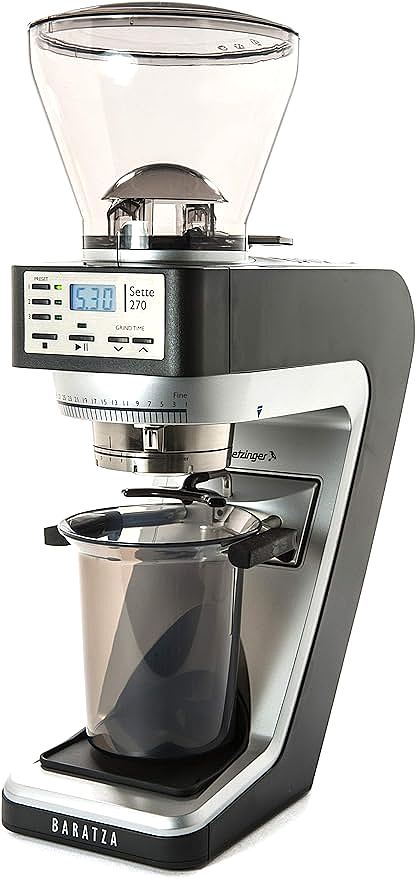
Baratza Sette 270 Conical Burr Coffee Grinder: Unlock the Perfect Cup with Precision Grinding

LITIFO HY1405S Electric Burr Coffee Grinder: Unlock the Flavor, Customize Your Coffee
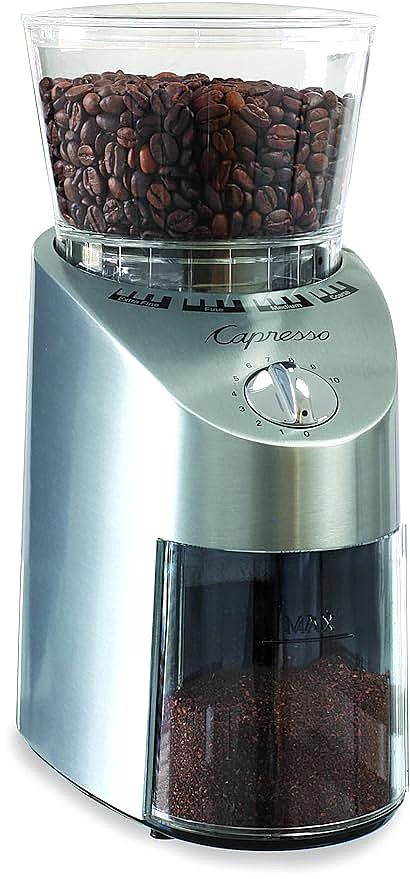
Capresso 565 Infinity Conical Burr Grinder: The Science of a Perfect Grind
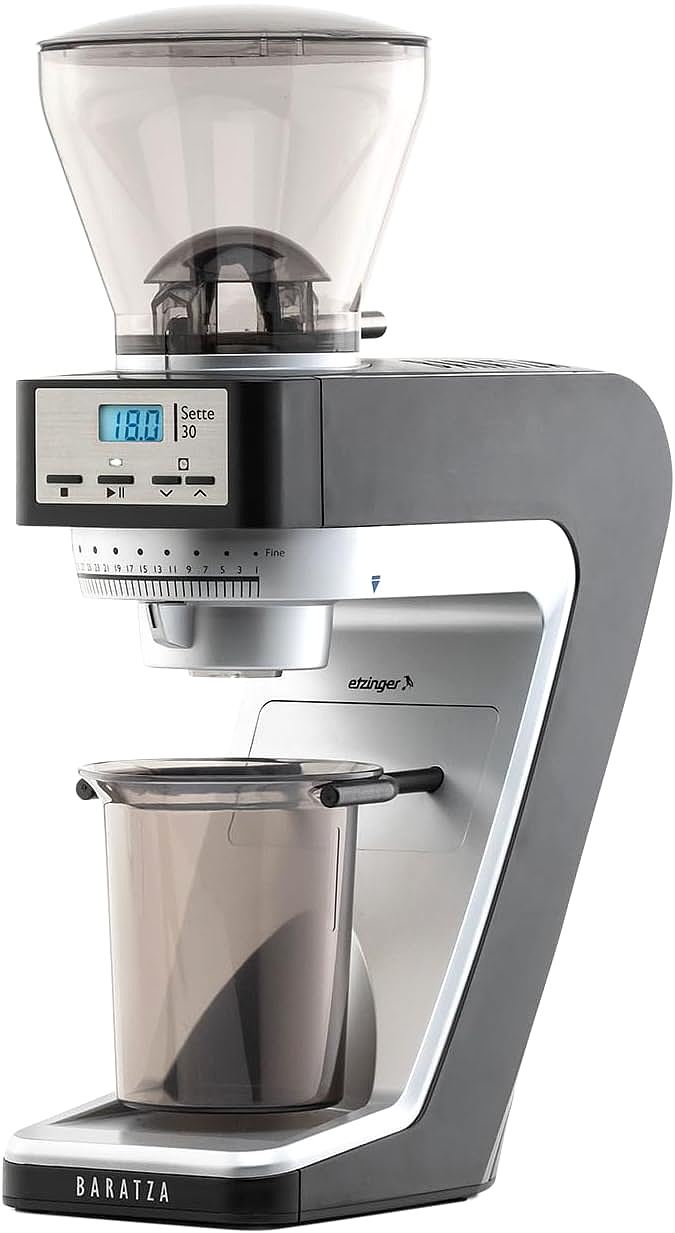
Fracturing the Bean: Precision Kinetics in Coffee Grinding

Conical vs. Flat Burr Grinders: The Science Behind Your Coffee's Flavor

Krups GX332850 Silent Vortex Grinder

MIROX AC-517E 15 Bar Espresso Machine

KINGrinder K6 Grind Settings: 240 Options Guide
