How a Conical Burr Grinder Turns Beans Into Even Grounds

OXO Brew Conical Burr Electric Coffee Bean Grinder
Two bags of the same roast can pour through the same brewer and still land far apart in the cup, and the split usually starts before the water ever arrives. Grind size sets how fast water moves through the coffee bed, and it also decides which flavors come along for the ride. The fix is rarely a new brewer; it is better control over the particles that meet the water.
A conical burr grinder takes on that variable at the exact moment beans stop being beans. A cone and a ring work the coffee down in stages instead of shattering it, so the finished pile clusters around one target size. The tighter that cluster, the more predictable the brew, and the more a recipe behaves the same way twice.
What the cone and ring do to a coffee bean
Inside the grinding chamber, a ridged cone spins within a matching ring. Beans fall into the gap at the top, travel down as the space narrows, and leave the bottom as grounds. Every bean follows the same path past the same teeth, which is why the output lands in a tighter size range than a blade can produce.
That range is the entire argument. A blade pulverizes beans at random, mixing dust fine enough to slip through a paper filter with chunks too large to give up their flavor in time. The dust dumps everything it holds within seconds, bitter compounds included, while the chunks hold their sweetness back. A bed built from both extremes cannot extract evenly, no matter how careful the pour.
A conical set pulls in both ends of that spread. The cone shears beans against the ring rather than smashing them, and the journey down the cone gives each fragment several chances to reach the target size. Conical burr grinders built for home counters tend to leave few enough fines that a pour-over drains on schedule and an espresso shot does not choke.
The same geometry holds at any scale, and a 40 mm cone is the size most home counters carry. Smaller burrs spin faster for the same output and build heat sooner; larger ones cost more and take up cabinet space. The trade sits between those poles, which is why the burr diameter on a price tag tells you more about the machine than a long feature list does.
Why a 40 mm steel cone and a steady feed flatten the spread
Burr diameter shapes the result as much as burr style. A 40 mm cone keeps the body compact, which suits a counter shared with a kettle, a scale, and a brewer. The size also changes how the work feels inside the machine: a smaller cone turning at low speed builds heat slowly, and heat is one of the quiet ways a grind goes wrong.
Slow and cool protects aroma. The compounds behind floral and fruit notes are volatile, and friction pushes them into the air before water ever touches the coffee. A 40 mm set that runs cool through a single dose keeps more of those notes in the cup, which is why a modest, deliberate machine can beat a fast one on flavor.
How beans arrive matters just as much as the burr itself. Beans that reach the cone at an even pace meet the teeth at a consistent angle, and a consistent angle produces a consistent cut. One machine built with that idea in mind is the OXO Brew Conical Burr Electric Coffee Bean Grinder, which pairs a 40 mm stainless steel cone with a grinding system aimed at uniform grounds and even extraction.
Steel adds the last layer of control. Hardened edges keep their shape across months of bags, so the cut does not drift from sharp to crushing while the rest of the routine stays the same. When the 40 mm burr set holds its edge, the dial keeps meaning what it meant on the first day.
Setting the dial from espresso to cold brew
On a conical burr grinder, the dial turns theory into a Tuesday routine. Fifteen settings cover the range a home brewer needs, and 43 micro-adjustments sit between them, fine enough to chase a recipe without jumping past it. Espresso wants the fine end, drip coffee sits mid-dial, and a French press or a cold brew batch takes the coarse end.
The spread between settings is the part that rewards attention. Wide jumps force a guess between two cups that taste nothing alike, while 43 micro-adjustments let a drinker nudge the particle size without crossing a line. A pour-over that ran slow on one setting gets a smaller correction than a whole step would allow.
Move a single step at a time. A dial with tight gaps rewards patience: change the setting, brew the same dose, and taste before touching anything else. Water temperature and brew ratio can wait their turn while the grind settles, which keeps each answer readable.
The setting should also survive the night. One press starts the grind, and the OXO remembers where the dial was left, so a weekday cup does not begin with a reset. Repeatability beats cleverness when the goal is the same cup on a Tuesday as on a Saturday.
A light roast is where the micro-adjustments prove themselves. A denser bean can run a touch fast even on the setting that suited the last bag, and the 43 micro-adjustments let the dial move in smaller steps than the fifteen numbered settings alone would allow, so a pour-over that drains early gets a nudge instead of a full step it cannot take back.
Fresh grounds, light, and the 12-ounce hopper
Coffee starts fading the day beans leave the bag. Air carries off aroma, light speeds the decline, and a hopper that shields its contents earns its place. A tint that blocks UV light keeps the beans closer to the roast they arrived as, even on a counter that catches morning sun.
Capacity decides how often the ritual repeats. A 12-ounce hopper holds enough for several mornings, so the fill happens at the start of the week instead of before every brew, and the hopper lifts off when the bag runs low. A full hopper still meets less air than an open bag, and the tint across it screens the light that would otherwise fade the roast.
Freshness also depends on where the beans sit in the process. Whole beans keep their oils locked away, and the clock on flavor starts ticking in earnest once the 40 mm set breaks them open. Grinding a dose just before brewing keeps the window short, and the hopper above makes that habit easy to keep.
The one-touch start is what turns a good setting into a habit. The grinder keeps the last dial position loaded, so the next dose begins with a press rather than a reset, and the setting dialed in for one bag is already waiting for the next.

Brushing the path clean without soaking the burrs
Grounds leave a film of oil on every surface they touch, and that film turns stale within days. A dry brush clears the exit path and the burr chamber between doses, and a weekly pass keeps yesterday's dust from seasoning today's bag. Steel and water do not mix, so the burrs get brushed rather than rinsed.
The habit pays off twice. A clear path lets grounds leave the chamber at the pace the cone sets, and it removes the coating that would otherwise ride into a fresh cup. Two minutes at the end of the week covers the whole job, and the routine protects the part of the machine that decides everything else.
A clean machine also reads its own settings better. Dust packed around the burrs changes how beans travel through the gap, and a grinder that cuts through a clear path repeats its output instead of drifting as the week goes on. The 40 mm set stays honest when nothing else touches the grounds.
Dialing in a new bag one step at a time
A new bag rarely lands on the old setting, and chasing it does not have to waste a week of coffee. Start from the number the last roast liked, grind a small dose, and taste it before committing the full recipe. If the cup runs thin and the water moved fast, one step finer is the next move. If the brew crawls and the flavor turns harsh, the dial goes back a step.
Keep short notes. A grinder that repeats its grind makes those notes useful, because the only variable left is the bean. Two or three single-step moves settle most bags, and the next bag starts from a better guess than the last.

What to settle before the grinder earns counter space
Counter space and budget are real filters, but the routine matters more. A grinder that fits the morning keeps earning its spot; one that fights the routine gets skipped by Wednesday. Decide whether the dial gets turned with attention or whether a single press has to carry the week, then pick the machine that matches the answer.
Bean habits belong in the same conversation. A kitchen that works through one bag a week gets along with a filled hopper, while a household that jumps between roasts may want to swap beans more often than the hopper empties. Neither habit is wrong, and both run through the same 40 mm set on the way to the cup.
The OXO Brew Conical Burr Electric Coffee Bean Grinder lists at $109.95 and shows In Stock under ASIN B07CSKGLMM (live check, October 2026). For a counter that wants a conical burr grinder without a cafe footprint, the shape of the deal stays simple: a 40 mm steel cone, 15 settings with 43 micro-adjustments between them, a hopper that holds 12 ounces, and a tint that keeps the light off the beans.
OXO Brew Conical Burr Electric Coffee Bean Grinder
Related Essays

Anti-Static Conical Burr Grinder: What Changes in the Chamber
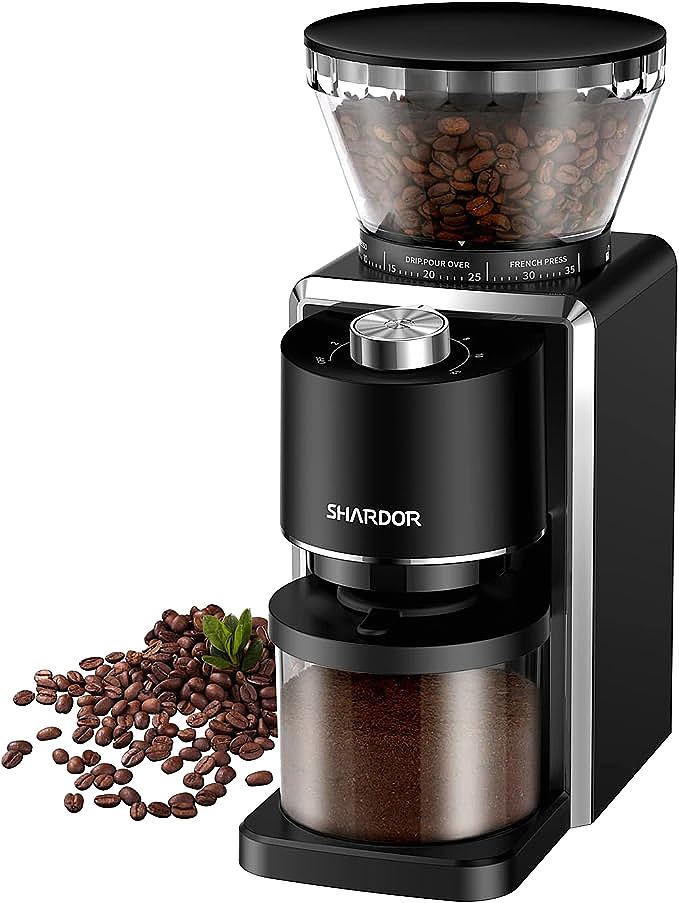
SHARDOR CG9406-UL2: The Complete Coffee Grinder Guide

The Ultimate Guide to Your Conical Burr Coffee Grinder

Burr Coffee Grinders: Conical vs Flat Burrs

The Unseen World of the Grind, A Physicist Guide
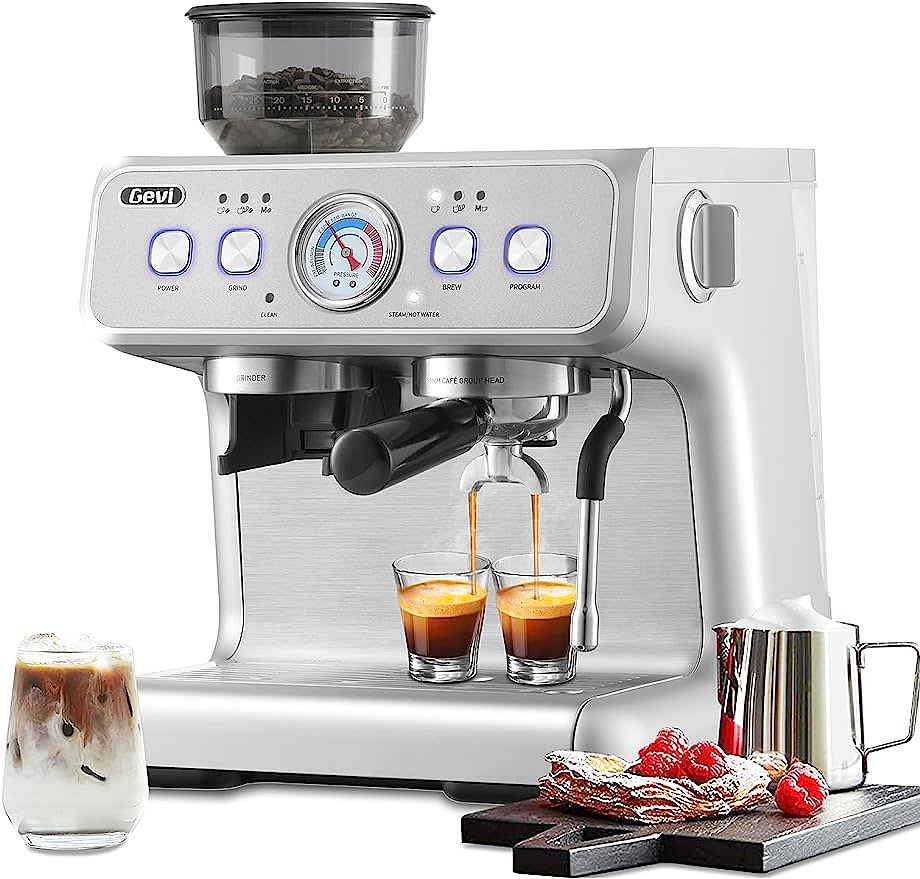
The Soul of the Machine: Unlocking the Science and History of Your Espresso Shot
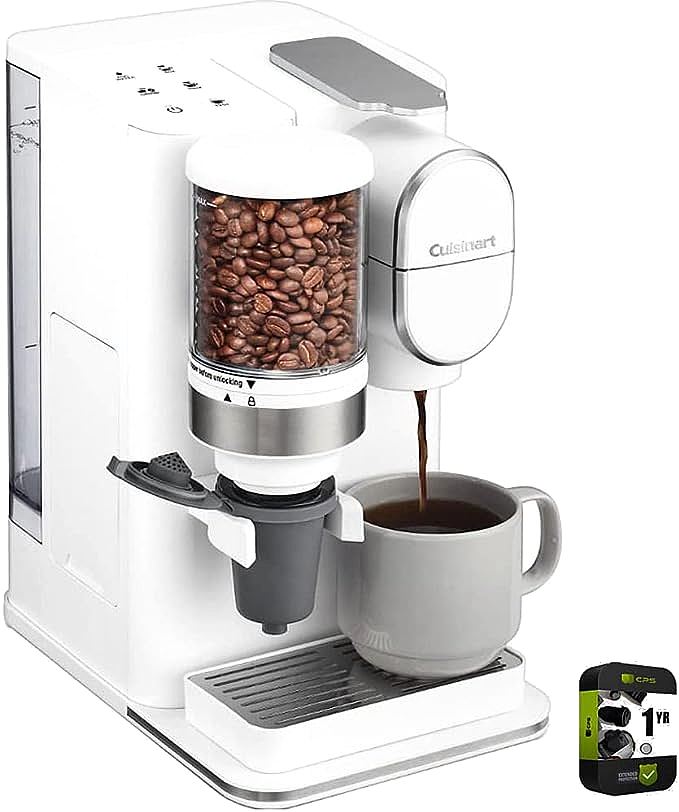
Cuisinart DGB-2W Grind and Brew Single-Serve Coffeemaker Review: Fresh Coffee Made Easy

The Engineering Behind the Brew: A Deep Dive into the La Reveuse Hipresso Super-automatic Espresso Machine
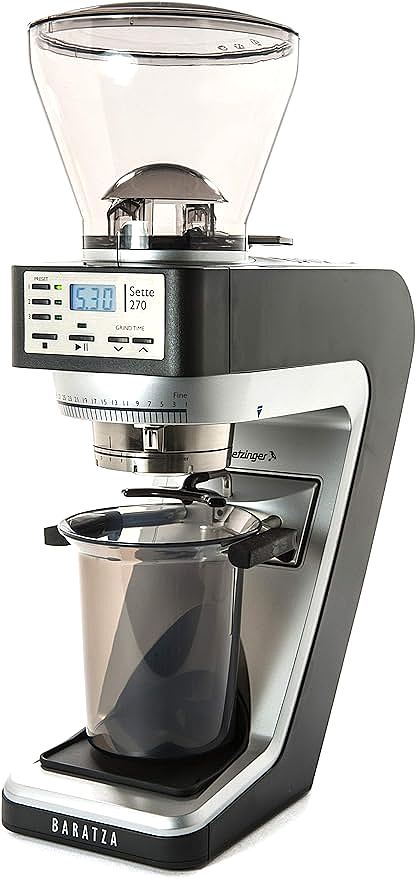
Baratza Sette 270 Conical Burr Coffee Grinder: Unlock the Perfect Cup with Precision Grinding
