What a 64mm Flat Burr Grinder Changes About the Cup

MOKKOM Titanium 64mm Flat Burr Coffee Grinder
Two bags of the same beans, brewed through the same setup, can taste like different coffees when one grind lands tight and the other lands lopsided. That gap is why the grinder carries more weight than any other upgrade on a coffee counter, and it is the reason flat burr machines moved from cafe shelves to home kitchens.
The flat burr layout answers a specific problem. Two discs face each other with a narrow gap between them, one disc spins, and beans travel from the center of the gap toward the outer edge, breaking into smaller pieces as the space tightens. What leaves the edge is grounds, and how tightly those pieces cluster around one target size decides how the water behaves when it meets the bed.
None of this is hidden engineering. The difference between a muddy cup and a clear one usually comes down to the distribution of particle sizes, and every design choice in a burr grinder either tightens that spread or loosens it. A wider disc, a harder cutting surface, and a steady frame all push in the same direction.
Why burr geometry changes what lands in the cup
Conical burrs, the cone inside a ring design that most home grinders use, cut coffee into a wider spread of sizes. The grounds usually show a main cluster at the target setting plus a haze of fines, the dust that slips through any filter. Fines surrender their flavor in seconds while the larger pieces hold theirs back, so a wide spread extracts unevenly no matter how careful the pour.
Flat burrs run coffee between two parallel discs, and most of the flat grinders sold for home espresso spin a 64mm pair. Because each bean follows a similar path outward, the grounds land closer to one target size, with fewer fines and fewer boulders mixed in. Drinkers describe that narrow spread as clarity: the berry note in a light roast stays separate from the cocoa note instead of blending into one muddy middle.
The payoff shows up twice. A uniform bed drains at a steady rate, so a brew neither stalls nor races. And with fewer fines to overshoot the target, the drinker can grind finer and pull more sweetness without the bitterness that dust releases first. A flat burr grinder does not put flavor into the beans. It stops the grind from taking flavor out.
Uniformity also changes how a recipe behaves over time. When the grind repeats from cup to cup, a dialed-in recipe stays dialed in, and the drinker notices the bean aging rather than the grinder wandering. That stability is what lets small adjustments, a step finer here or a degree warmer there, mean something.
How titanium coating changes burr wear
Steel burrs start sharp and wear dull. Once the edges round over, they crush beans instead of slicing them, which pushes extra fines into the grounds and extra heat into the coffee. A worn set quietly changes every recipe the kitchen has dialed in, and the drift is hard to notice because it happens across months of ordinary mornings.
Titanium coating bends that wear curve in the kitchen's favor. On a 64mm burr, a hard layer sits over the steel and keeps the cutting edge crisp for longer, so consistency holds across far more bags of beans than a bare edge manages. The coated surface also slides across beans with less friction than plain steel, and friction is where grinding heat comes from.
Heat deserves its own line. The compounds behind floral and fruity notes are volatile, and warmth drives them out of grounds before the water ever arrives. Short grinds on cool burrs keep those notes in the coffee, and a coating that runs cooler works in the same direction. The MOKKOM Titanium 64mm Flat Burr Coffee Grinder puts that coated edge on a countertop machine built around the burrs.
A coated edge is not a claim about flavor on its own. The argument is simpler: harder surfaces hold their shape, and a burr that holds its shape keeps doing the same job. Everything downstream, from dose to brew time, leans on that sameness.
What 64mm and 100 settings change in practice
Burr diameter buys cutting path. A 64mm disc gives every bean a longer trip from the center to the edge, through more teeth at each stage, so the reduction happens in gentler steps. The larger disc also spreads friction across more metal, and more metal gives heat somewhere to go besides the coffee.
The 100 grind settings on the MOKKOM dial cover the other half of control. Neighboring steps sit close enough that the dial travels from espresso to pour-over, drip, French press, and cold brew without a second machine on the shelf. Toward the espresso end, the fine steps let a drinker chase a recipe instead of guessing between coarse jumps.
The dial also earns its keep between methods. A kitchen that brews espresso on weekdays and a French press on weekends keeps both recipes on the same ring, a few steps apart, instead of owning two grinders or a second burr set.
None of it matters if the setting slips while the machine runs. A dial that holds its position separates a grinder that repeats from one that wanders, and a 64mm set with 100 steps gives the home barista moves small enough to re-dial after a bean change in two or three tries.
Finding the right setting for each brew
The sweet spot tends to follow the brewer rather than any label on the bag. With 100 grind settings to work through, espresso usually calls for the finer end of the range, while a pour-over cone sits a little coarser. Drip coffee tends to land in the middle, and French press or cold brew batches lean toward the coarsest settings.
Part of the process is tasting as you go. A pour that runs too fast and tastes thin often points to a setting just a hair finer. If a brew starts to creep and edges toward harshness, backing off by one step can bring things back into balance. Small moves, evaluated cup by cup, tend to reveal more than jumping across the dial.
Two hoppers, two workflows
A hopper decides how beans meet the burrs, and the MOKKOM grinder carries both styles. The large hopper holds 350 g (12.35 oz) of beans for a kitchen that works through one bag at a time: fill it on the weekend and grind from it all week. The single-dose hopper trades that handiness for freshness.
The single-dose side is a silicone bellow with a lid. A measured scoop goes in, the lid seats, and pressure on the flexible walls pushes grounds through the chute while clearing what would otherwise sit as retention. Swapping beans between bags turns into a pour-out instead of a purge run, which matters for anyone who keeps a decaf bag next to the regular one.
Neither habit is wrong: the 350 g load suits the first kitchen, the bellow suits the second. The 64mm discs under both hoppers stay the same, so grind quality does not depend on which hopper is mounted.

Timing, static, and the parts that touch the grounds
The timer on the MOKKOM LED display adjusts in easy steps, and once a dose is set by time, it tends to repeat from one morning to the next without weighing grounds on the counter.
Static is the quieter issue. As dry grounds fly off the burrs, they pick up charge and cling to the chute or scatter across the counter. The anti-static system cuts down on that mess and on retention, leaving more grounds in the basket where they belong.
A full-metal body helps keep burr alignment steady under load, and a 64mm set carries enough mass to soak up vibration before it reaches the cut. That stability keeps the chosen setting consistent from cup to cup.
Cleanup stays simple. A dry brush through the chute after a bag change keeps old grounds out of the next roast, and a couple of minutes on a Sunday is usually all it takes to start the week clean.
Settling in with a new bag
Each new roast tends to ask for its own position on the dial. Starting from the setting that worked for the previous bag, a small test dose goes a long way before committing to a full basket. Two different roasts rarely land in exactly the same place, but with a narrow particle spread, a couple of single-step moves are often enough to bring one into focus.
As the cup comes into view, changes work best one at a time. Adjust the grind first, taste, then look to water temperature or brew ratio if needed. That measured approach keeps the answer readable without wasting much of a new bag.
A morning routine
On a quiet morning, a single scoop in the bellow hopper is all it takes. The 64mm discs grind through it in seconds, and a pre-set time dose drops into the catch cup with little to no static mess. From there, it is ready for a pour-over or whatever is on deck, with no need to weigh grounds or second-guess the setting.

What to consider before committing counter space
The right setup comes down to routine. A kitchen that switches beans often will likely get more out of the single-dose bellow, since swapping takes seconds and nothing sits going stale. A kitchen that works through one bag at a time may prefer loading the 350 g hopper on the weekend and leaving it be.
Freshness plays its part either way. Grounds fade within days once exposed to air and light, so a bellow that empties down to the last gram helps keep a new bag closer to the roast between brews. A quick brush of the chute between bags goes a long way, and it tends to show up in the cup.
There is also a question of preference. Flat burr grinding rewards small, deliberate moves on the dial. For a household that enjoys that back-and-forth, a 64mm set with 100 settings offers plenty of room to respond to different roasts. For one that would rather not touch a dial at all, that same level of control may feel unnecessary.
The physical habits behind counter space matter less to the cup than the ones described above: a dial that holds its setting, a hopper sized to the kitchen's real brewing rhythm, and a few seconds of brushing between roasts. A grinder that keeps those variables steady is a grinder that lets the coffee itself speak. The MOKKOM Titanium 64mm Flat Burr Coffee Grinder shows that combination on a countertop machine built around 64mm titanium-coated discs, 100 grind settings, a 350 g (12.35 oz) hopper, a single-dose bellow, and a timer for repeatable doses.
MOKKOM Titanium 64mm Flat Burr Coffee Grinder
Related Essays

KINGrinder K6 Grind Settings: 240 Options Guide

How to Choose and Use a Burr Coffee Grinder
The Mechanics of the Grind: Conical Burrs, Thermal Dynamics, and the Aromaster CG204

Flat Burr Grinder Guide: 64mm Burrs, 100 Settings, and Static Control
KRUPS GX550850 Precision Grinder: Unlock Perfect Coffee Flavor with Burr Grinding
MiiCoffee DF64 II Grinder: Precision Grinding for the Perfect Cup
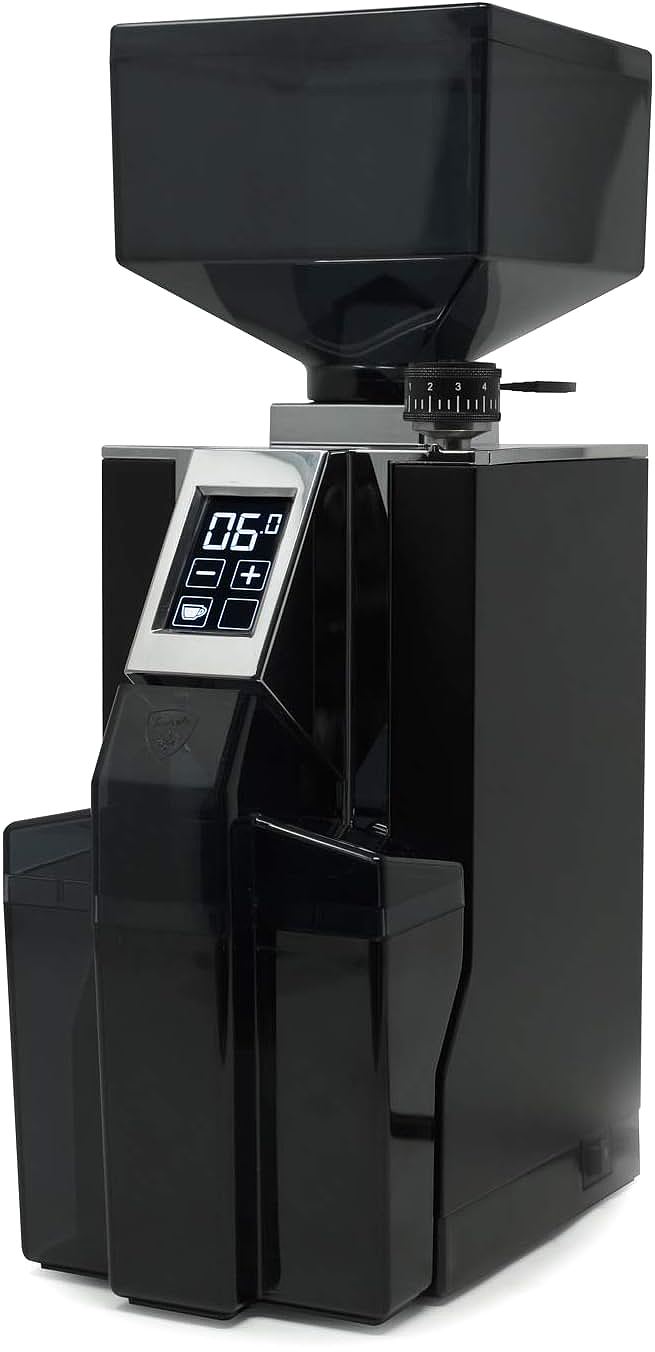
Eureka Mignon Brew Pro: The Science Behind Your Perfect Brew Coffee Grind
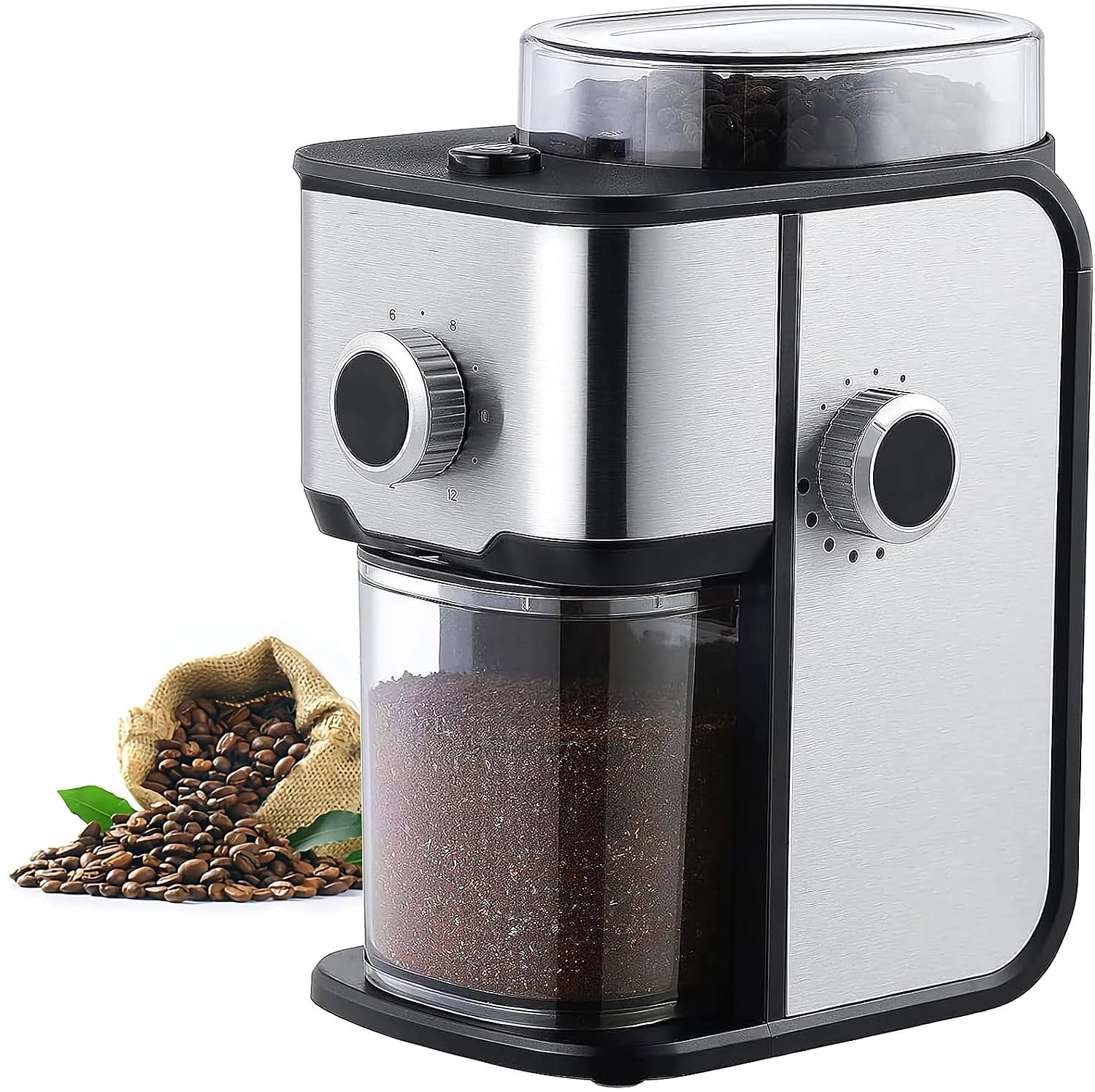
The Science of the Grind: How a Burr Grinder Unlocks Your Coffee's True Flavor

The Sculptor's Touch: How Precision Grinding Unlocks the Hidden Soul of Coffee