Cybernetics of Espresso: Pressure Profiling
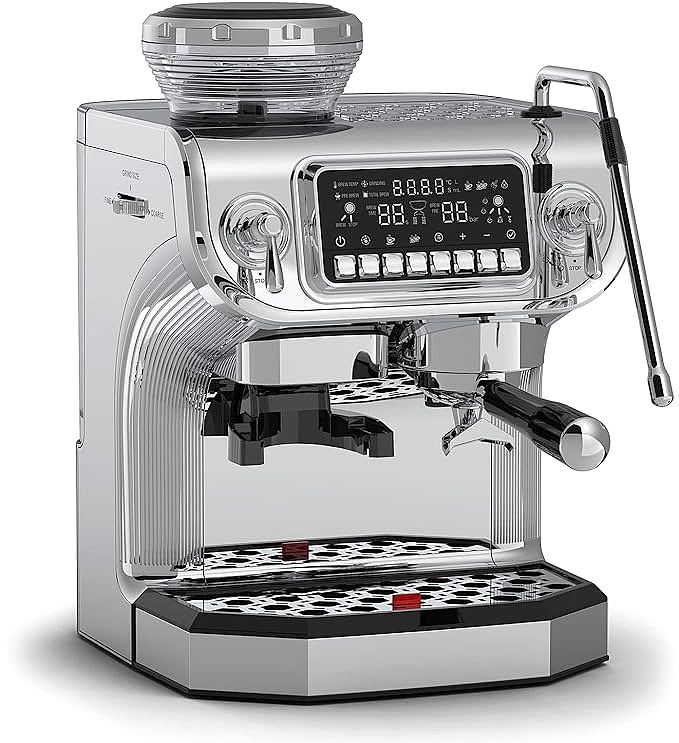
Gevi Dual Boiler Espresso
Gevi Dual Boiler Espresso is the product this guide examines.
The Cybernetics of Espresso: Mastering Extraction through Visual Feedback
Pressure profiling changes the brew pressure through the pull instead of holding it flat, and that technique turns espresso from a fixed recipe into a loop you can steer. A dual boiler machine gives you the stable base temperature that makes the pressure changes meaningful, because a swing of 2 deg C swamps a 1 bar pressure move. This guide reads the feedback loop through the numbers, because the cybernetics is the control you get when the visual and the physical agree.
What profiling means
A flat profile holds 9 bar from the first second to the last, and a shaped profile drops the opening pressure to 3 bar for a 3 second pre infusion, ramps to 9 bar for the body of the pull, and backs off to 6 bar at the end to keep the bitterness out. The 3 bar pre infusion wets the puck slowly so the bed swells evenly, the 9 bar middle extracts the sweet compounds, and the 6 bar finish avoids the harsh over extraction the last seconds pull out. The shape decides what the extraction delivers. The Gevi Dual Boiler Espresso Machine runs that shape through a 58 mm commercial portafilter: the built in burr grinder sets the grind, the 3 bar open wets the 25 g dose, and the two boilers let the steam side build while the 6 bar finish ends the shot.
The dual boiler base
A dual boiler keeps the brew water at the 200 deg F spec target in one chamber and the steam at 250 deg F in the other, and that separation is what makes the pressure moves readable. A single boiler swings 5 to 10 deg C between the brew and the steam ready states, and that swing changes the extraction more than a 1 bar pressure move does. The 200 deg F brew boiler and the 250 deg F steam boiler hold the cup steady, and that stability is the platform the profiling rides on.
The flow and the pressure
Flow is the rate the water moves through the puck, and pressure is the force behind it, and the two are linked by the resistance of the bed. A 25 g dose at 9 bar moves about 1 ml per second and pulls 30 ml in 30 seconds, which sits just under the classic 1 to 2 ratio. Drop the pressure to 3 bar and the flow falls to 0.3 ml per second, which is the pre infusion that wets without extracting. You turn the pressure, you watch the flow, and the ratio tells you how the cup lands.
The feedback loop
The loop is the read adjust read cycle that the gauge and the glass make possible, and it is the reason a profiled pull beats a blind one. Read a 9 bar needle with a 1 ml per second flow and a 30 second pull and the bed is balanced; read a 7 bar needle with a 0.7 ml flow and the grind is too fine. The gauge gives you the signal, you make the move, and the cup is what comes out. The loop closes when the read changes the next pull.
The control you keep
The control a dual boiler and a gauge give you is the ability to hold 200 deg F through a 30 second pull and shape the pressure across it, and that is the difference between a recipe and a technique. The Gevi machine at 359 dollars puts the stable base and the gauge in reach of a home barista, and the 3 to 9 bar profile is the technique the machine makes possible. The 200 deg F brew, the 250 deg F steam, and that shape are the settings that define the control, and keeping the loop closed is the practice behind them.
Running every pull against the sheet
Keep the sheet next to the machine and run every pull against it:
- 3 bar for 3 seconds at the start wets the 25 g puck so the bed swells evenly before the pressure climbs.
- 9 bar through the middle moves about 1 ml per second and lands 30 ml in 30 seconds.
- Back off to 6 bar for the last seconds to keep the harsh over extraction out of the cup.
- The dual boiler holds 200 deg F brew water and 250 deg F steam, so the pressure moves stay readable.
- Read the needle against the flow: 9 bar at 1 ml per second is a balanced bed, and 7 bar at 0.7 ml per second is a grind running too fine.
- The 14 dollar bag of 250 g beans works out to about 0.11 dollar a cup at the 18 g shot, far under the 4 to 6 dollar cafe cup.
In one line, this guide is about dual boiler espresso profiling: shape the pressure, read the flow, and close the loop on the next pull.

The numbers in grams and percent
A 25 g dose is the anchor, and a 20 g dose pulls a lighter 28 ml shot while a 28 g dose pushes toward a heavier 40 ml. The extraction band of 18-22 percent is the usual sweet window, and a 16 percent pull tastes sour and thin while a 24 percent pull turns bitter and ashy. Around a 0.6 mm grind the flow slows toward a 30 second pull, and near 0.9 mm it rushes through in 20 seconds. The four interchangeable filters that ship with the portafilter cover the 20 to 28 g range, so the same sheet works for a lighter shot or a heavier one. The stainless steel steam wand and the 12 month warranty complete the frame, and the two boilers hold their own temperatures through the pull. A 25 g dose and the 18-22 percent band define the balanced cup, and a 0.6 mm grind is the setting that lands them.
Reading the profile numbers on the Gevi Dual Boiler Espresso Machine
On the Gevi, the controls these reads depend on are built into the machine. The 58 mm commercial portafilter holds the 25 g dose, and the built in burr grinder with 31 grind levels is where you find the 0.6 to 0.9 mm window, because the grind is the first number you change when the flow reads wrong. The NTC and PID temperature control keeps the 200 deg F brew water steady while the profile runs, so the pressure you set is the pressure that reaches the puck. Aim for the 18-22 percent band by watching the flow: hold it toward a 30 second pull and the shot lands in the band; let it rush to 20 seconds and the cup turns sour. The steam wand covers the other side of the dual boiler, so the machine can pull and texture at the same time: while the 30 second pull shapes the shot, the steam side steams milk to 60 to 65 deg C for a fine microfoam.

Gevi Dual Boiler Espresso
Related Essays


La Pavoni EPC-8 Europiccola

Nespresso Vertuo Pop+: The Physics of Barcode Brewing
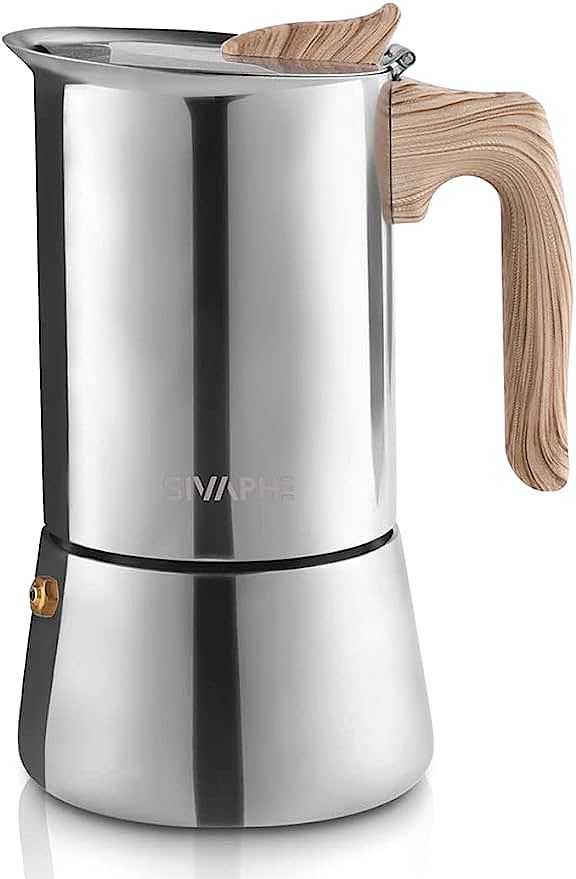
The Stainless Evolution: Thermodynamics and Material Science of Modern Stovetop Espresso

Bridging Automation and Artisanal Control in Domestic Extraction
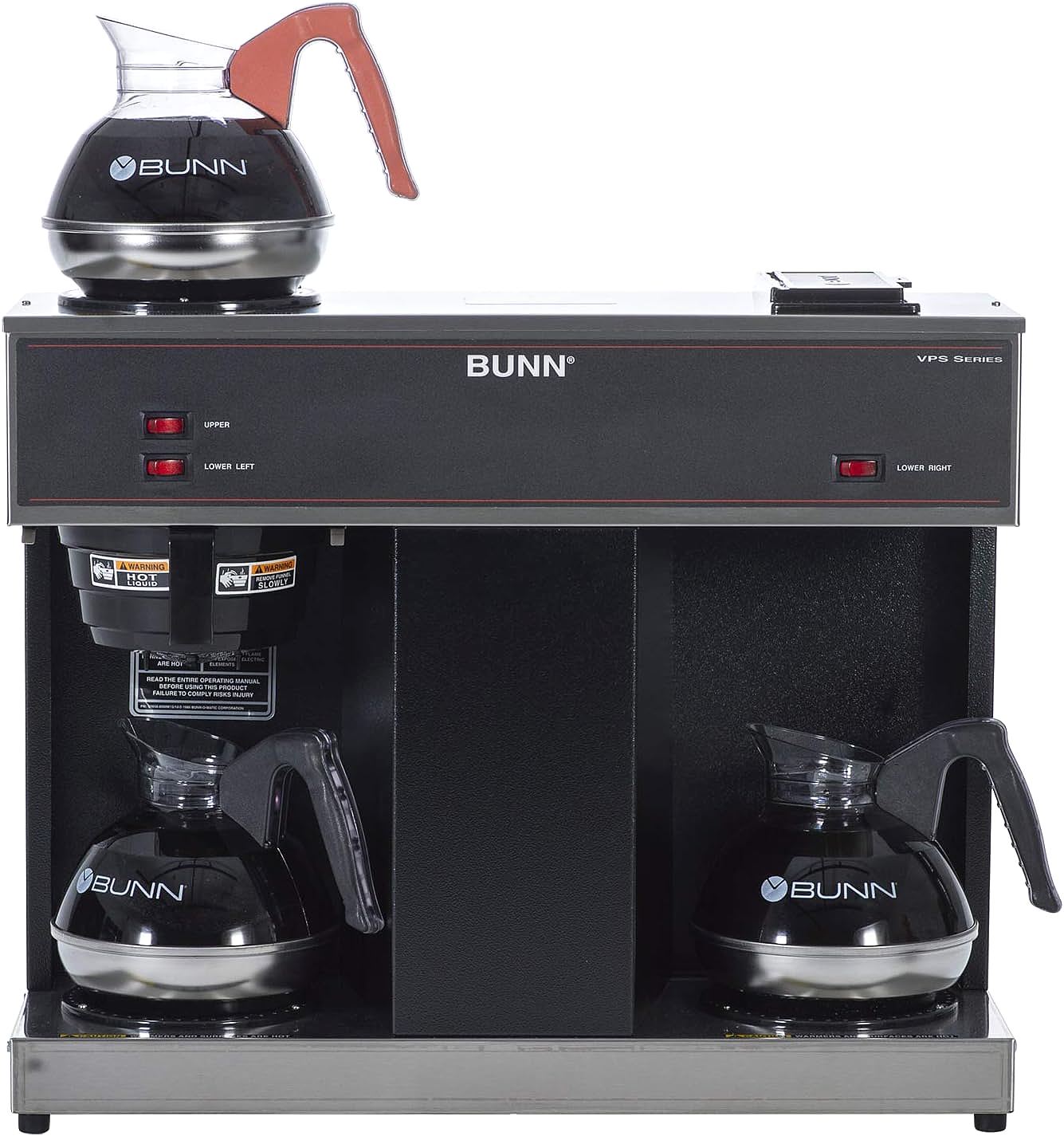
The Physics of a Perfect Pot: Deconstructing the Enduring Genius of the BUNN VPS Coffee Brewer

The Digital Barista: Decoding Precision Extraction with the Gevi 4-in-1 Smart Brewer

The Mechanics of the Grind: Impact, Attrition, and the Transition from Chaos to Order

Clever Coffee Dripper: Unlock the Full Potential of Your Coffee Beans
