IMUSA Electric Espresso Maker: 6 or 3 Cup Guide

IMUSA 6 or 3 Cup Electric Espresso Maker
The IMUSA electric espresso maker in short
The IMUSA 6 or 3 cup electric espresso maker is a personal espresso maker in the moka class, finished in black cast aluminum. It trades a stovetop moka's open flame for a detachable electric base that carries its own on/off switch, so the pot stays off the hob and lives on the counter. The base holds a brown-tinted carafe that fills a serving for one or two people, and a cool-touch handle lets you set the pot down while the water inside is still hot. It sells at $34.99, a price that reads like a single household's machine rather than a cafe's.

The base, the switch, and the handle
The cast-aluminum body is where the maker earns its place on the counter: a black exterior over a black base, with a carafe that carries a brown tint so you can watch the level of coffee as it builds. The detachable base is the safety move. Because the electricals live in the base and not the pot, you can lift the carafe off, fill it from the tap, and pour without touching anything that holds a charge. An on/off switch on the base starts the cycle, and a small visual indicator shows the brew is running, so you do not have to guess by the hiss. The cool-touch handle sits back from the body, so the pot can be carried to the table instead of just decanted where it stands. The base plugs into a standard wall outlet, and because it lifts free of the pot, you can leave the carafe on the table while the base stays on the counter until the next brew, so the heating element never travels with the coffee.
The 6 or 3 cup capacity
The pot is sold in two fills: six cups or three, with each cup around 1.5 oz. The same body and base run either size, so the choice is how much you brew at once, not how the machine works. A three-cup fill suits a single serving of strong coffee or a one-to-two person household, and the six-cup fill stretches to a small gathering. Keep the maker for quick, strong servings rather than a whole pot of drip. Because each cup is small and the concentrate is strong, the carafe empties quickly, which is why the maker is pitched for Cuban coffee, Italian coffee, and short espresso-style drinks rather than a pot of drip. The same model is carried in red (B0BTRBH7KW, $39.99) and orange (B0BTR8B59D, $44.99) finishes, and the 3-or-2 cup version comes in mint and purple bodies (B0GX2CSQJR, B0BTR72NS4, $39.99 each), with a special-edition Cuba-themed set (B0BZSZQH2V, $43.07) alongside.

How the cup is made
The maker works the way a stovetop moka does, so it sits in the steam class rather than the pump class. Water in the base is heated until it builds steam, and that steam pushes up through the coffee packed into the funnel. The pressure that reaches the grounds is just above a bar, roughly where a stovetop moka runs, which is far below the double-digit pressure a pump machine pushes. That is the trade: a moka gives a thick, syrupy, espresso-like cup without the cost or footprint of a pump, and it is at its best with a fine grind and a tight, clean fit. The brew comes off strong and turns bitter if you overpack the funnel or let it run too long, so the cup is as much about the grind and the fill as the machine itself. It makes traditional espresso-style shots, Cuban coffee, and Italian coffee, and the same short cycle works for a Moka pour.
Brewing the maker for Cuban coffee
Cuban coffee is the drink the maker is most often bought for, and it is a natural fit. You start the pot with the finer, darker grounds, let the steam do the work, and fold a little of the first pour with sugar to make the base. The rest of the carafe goes over that, and the result is thick, sweet, and strong, with the body a moka gives. Because the maker is a personal espresso maker, one fill is usually two to three of these cups, which is plenty for a single drinker or a small table.
Counter footprint and body
The body is small enough for a crowded counter: about 9.3 inches tall, 7.1 inches long, and 4.72 inches wide, weighing roughly 2.75 lb once the carafe and base are on. That is lighter and shallower than a pump machine, and it slides into a travel bag, an office corner, or a dorm kitchen. The travel pitch works because the base lifts off: you carry the pot, fill it with hot water anywhere, and heat it on the same base at home. It is boxed as a gift, which is how most of these makers reach the people who use them day to day. And since the base is the part that takes the wall outlet, a small kitchen can stow the pot in a cupboard and let the base live on its own shelf instead of keeping a permanent appliance on the counter.

Keeping the maker in good shape
The part to watch is the funnel and the seals, not the base. After a brew, let the pot cool before you unscrew it, because a hot moka vents steam through the same opening you are taking apart. Clear the funnel of old grounds, rinse the carafe, the funnel, and the lid, and dry the rubber seals so they do not build a sour note. Descale on a monthly cycle with a vinegar-and-water soak when the tap water is hard, then run a rinse through the empty pot afterward. Keep the outside of the base dry; the electricals live there, so the pot stays washable while the base stays out of the dishwasher. The cast-aluminum body does not need polishing, but a quick wipe after a session keeps the black finish from picking up coffee rings. Store the parts apart and dry, and the maker keeps making the same cup for years.
Where the IMUSA 6 or 3 cup electric espresso maker fits
The maker is the right call when you want a strong, short, moka-style cup at home or at a desk, and you do not want to run a pump, soak up counter space, or pay for a milk frother. It is the wrong one when the goal is a steamed-milk cappuccino bar, because it makes the coffee and not the foam, and there is no wand or steam knob to work the milk. If you already brew a stovetop moka and only want to keep the pot off the open flame, this is the direct upgrade. If you want a true pump shot with a portafilter, look at a different machine, and keep this personal espresso maker as the everyday and travel cup instead.
IMUSA 6 or 3 Cup Electric Espresso Maker
Related Essays

The Steam-Powered Heart of Espresso: A Deep Dive into the SOWTECH CM6811

The Soul of the Machine: Uncovering the Science and History Behind Your Espresso
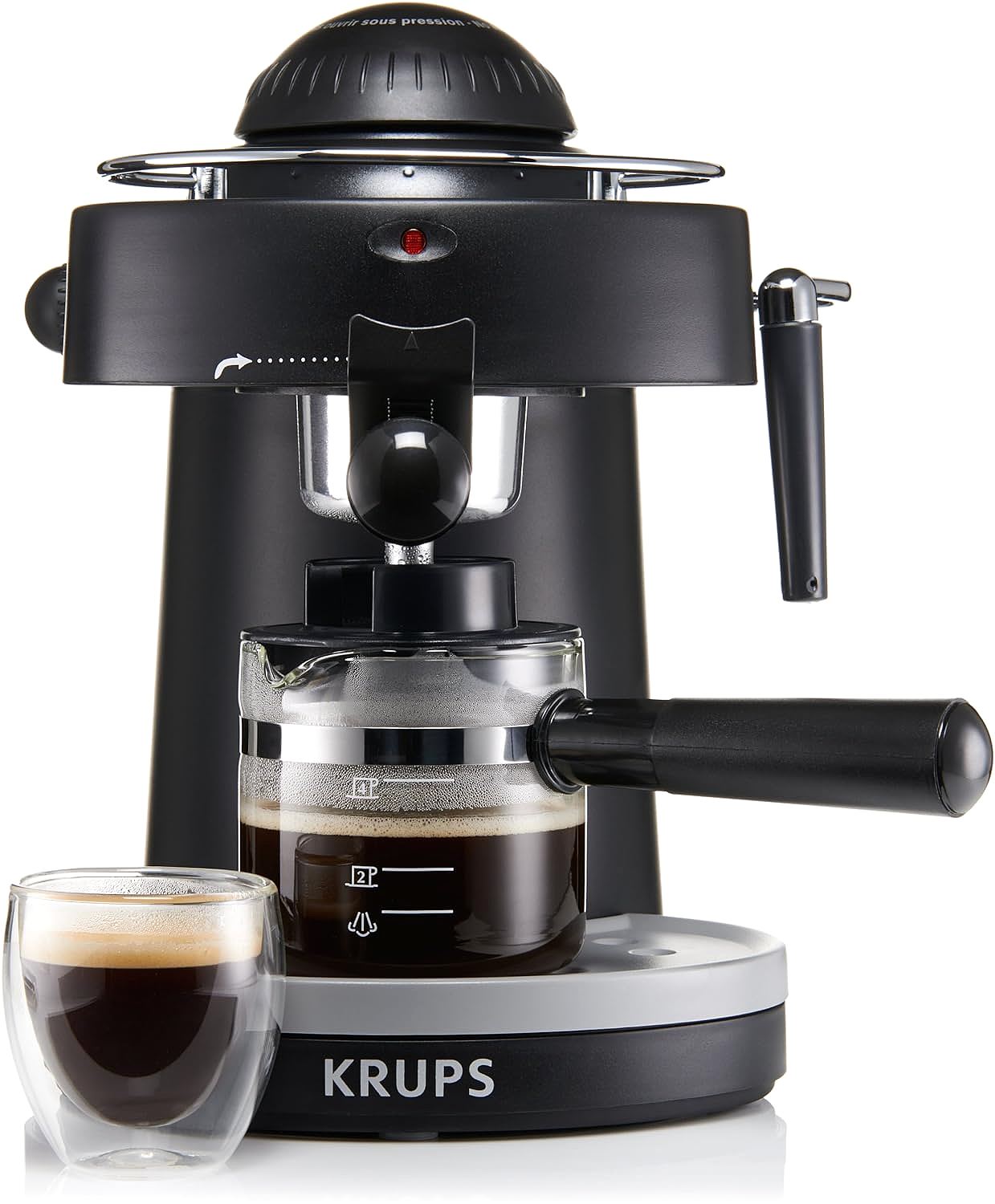
KRUPS XP1000 Steam Espresso Machine: A Deep Dive into Affordable Espresso

SHARDOR CM1661 Home Espresso Machine

PHILIPS 3200 Series (EP3221/44) - Your Home Barista for Perfect Espresso

Hamilton Beach 40726 Espresso Machine: The Science of Perfect Espresso at Home
The Soul of the Machine: Unlocking the Science and History of Your Espresso Shot

Simpresso SP22 Portable Espresso Maker: Your On-the-Go Barista

The Physics of a $50 Espresso: Deconstructing the Science Behind a Steam Coffee Maker
