SHARDOR CM1661 Home Espresso Machine

SHARDOR CM1661
SHARDOR CM1661, Your Home Barista for Perfect Espresso
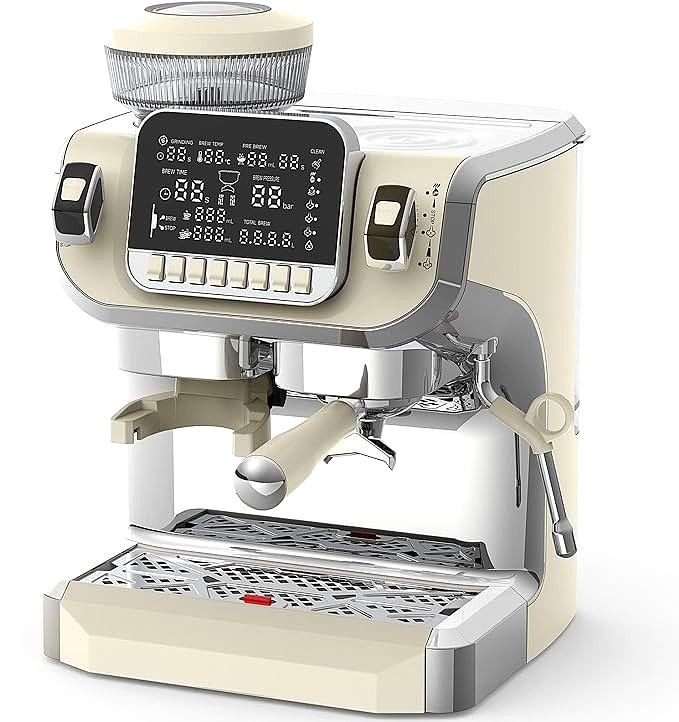
The SHARDOR CM1661 is a semi-automatic home espresso machine built around a 20 bar pump, and the shot it lands is an 18 to 20 g dose pulled into a small 30 ml cup. The pump is rated to 20 bar, but the coffee itself extracts at the 9 bar band a locked puck wants. What earns the machine its counter space is not one headline figure but the bundle around it: a one-touch touchscreen that sets the cup, an NTC thermostat with three temperature settings, and a steam wand that froths milk for a cappuccino. This guide reads a shardor espresso machine through the parts that decide the cup, from the pump and the dose to the boiler and the tank.
The 20 Bar Pump and the 9 Bar Brew
The 20 bar figure is the pump's ceiling, not the pressure at the puck. A semi-automatic machine in this class bleeds the extra headroom off at the over-pressure valve and settles the extraction near 9 bar, which is where a balanced shot lives. Push a 25 g dose past 10 bar and the shot runs long and bitter; starve a 15 g dose at 8 bar and it runs thin and sour. Held at 9 bar against a fine espresso grind, the cup stays inside the 18 to 22 percent extraction window that specialty roasters aim for. The pump is the machine's muscle, but the 9 bar band is the part that reaches the cup. Semi-automatic is the right label for this machine: it runs the pump and holds the temperature, while the barista sets the dose and the tamp.
The Dose, the Grind, and the Shot
The dose is the lever a home barista feels most. An 18 g basket filled to 20 g changes the body of the shot: the heavier dose pulls darker and sweeter, the lighter dose pulls brighter and thinner, and the 18 to 20 g range is the window a 30 ml cup wants. Grind sets the clock. A fine espresso grind holds the pull in the 25 to 30 second window, a coarser grind races it under 20 seconds, and a finer grind drags it past 40. Because the machine is semi-automatic, the dose and the grind are yours to set with the included tamper, and the pump only supplies the pressure.

The Boiler, the 1350 W Element, and the Steam Wand
A 1350 W heating element drives the brew water, and the machine holds the extraction temperature with NTC control instead of a fixed thermostat. The steam wand is the same one-touch wand used for milk: it pulls cold milk into a fine microfoam for a cappuccino, a latte, or a flat white, and it is the part that makes latte art possible on a countertop machine. The wand and the group head draw on the same boiler, so the useful order is to pull the shot first and steam the milk second, while the wand is still hot. The stainless steel body wipes clean between pulls, and the machine carries a 2 year manufacturer warranty.
The Touchscreen and the Three Temperature Settings
The front panel is a one-touch touchscreen. One button pulls a single cup, a second pulls a double, a manual mode lets you set the strength, and separate buttons run one-touch descaling and one-touch steam. The NTC temperature control offers three settings, so the extraction temperature can be nudged toward the roast in the basket: a light roast can take a degree or two warmer than a dark one. After fifteen minutes of inactivity the machine shuts itself off, which keeps a forgotten machine from sitting hot all afternoon. A warming plate on top holds a dry cup warm through the pull, and the LED readout shows the shot and the steam as they run, so the boiler temperature can be watched as it settles.
The 45 oz Tank and the Drip Tray
The 45 oz removable water tank carries a run of cappuccinos before a refill, and it lifts out in one motion to fill at the sink. The drip tray is removable for a rinse, so a spilled shot does not pool on the counter. In the box you get the single and double cup filter baskets, a portafilter, and a tamper with a measuring spoon, so the counter is stocked before the first pull. The portafilter locks into the brew head with a quarter turn, and the machine stands about 15 inches tall on a footprint a little over 8 inches deep.
What a Home Shot Costs
A 1 kg bag of beans at 20 dollars is about 50 doses at a 20 g shot, which works out to roughly 0.40 dollars a cup. Against 5 to 6 dollars at a cafe, that gap is the argument for a machine like this, and at two shots a day the 89 dollar price pays itself back inside a few months. The 1 kg bag and the 50 dose yield set the per-cup cost; the price of the machine is what you pay once to stop buying the cafe cup. Fresh beans ground just before the pull keep the arithmetic honest, because a stale grind throws off both the dose and the shot time. The same math scales to an office kitchen, where the single and double buttons cover the whole room without a barista.

Descaling and the Over-Pressure Valve
Descale on a monthly cycle with citric acid at two percent, started from the one-touch descale button on the touchscreen, and the cycle is due when the pull slows. The manufacturer's own guidance is blunt: a machine that stops brewing is usually not broken, only scaled, and a descale brings it back. Clear the funnel port after each brew and let the chamber cool before the parts come apart, so the over-pressure valve does not trap steam, and keep the rubber seals dry so the channel does not grow mold.
The Sheet to Remember
An 18 to 20 g dose, a fine espresso grind, a 1350 W element holding near 93 deg C, and a 30 ml shot over 25 to 30 seconds. The 45 oz tank, the three temperature settings, and the one-touch touchscreen are what make the routine repeatable, and the 9 bar band beneath the 20 bar pump is the flavor you drink.
SHARDOR CM1661
Related Essays

The Steam-Powered Heart of Espresso: A Deep Dive into the SOWTECH CM6811

PHILIPS 3200 Series (EP3221/44) - Your Home Barista for Perfect Espresso
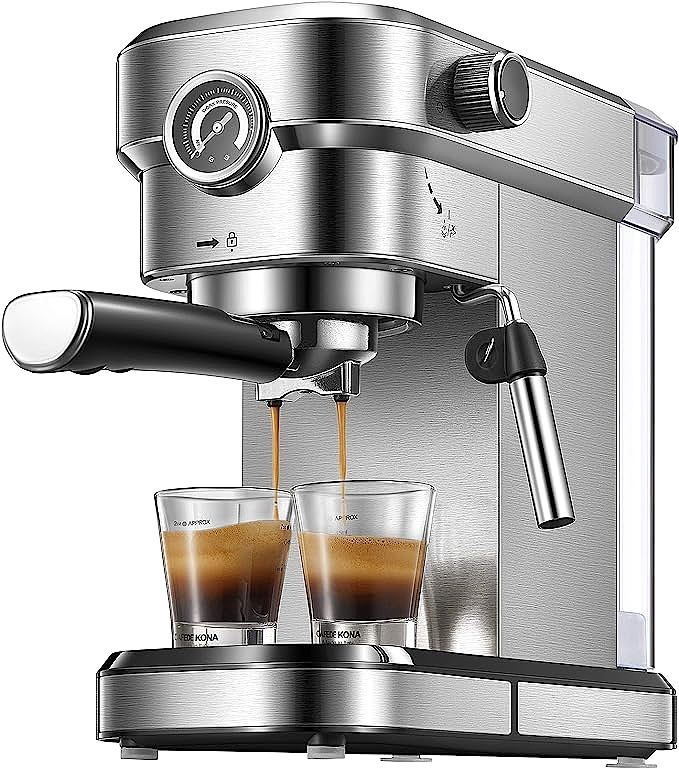
Yabano cm6851 15 Bar Espresso Machine with Milk Frother
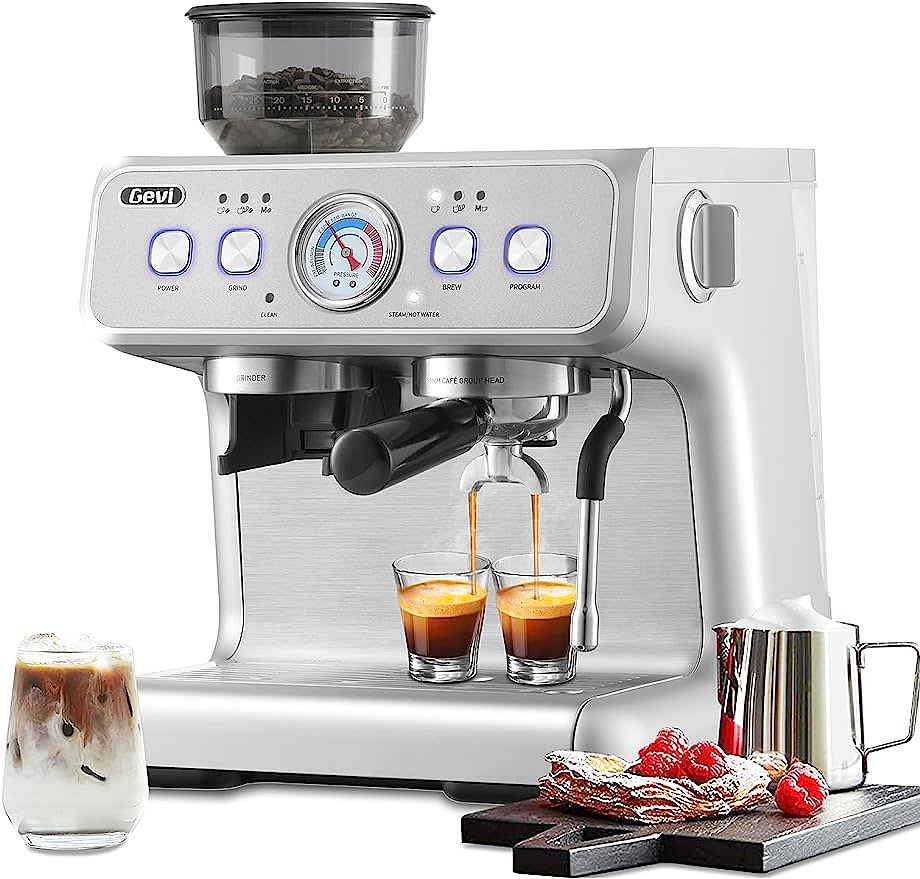
The Soul of the Machine: Unlocking the Science and History of Your Espresso Shot

The Soul of the Machine: Uncovering the Science and History Behind Your Espresso
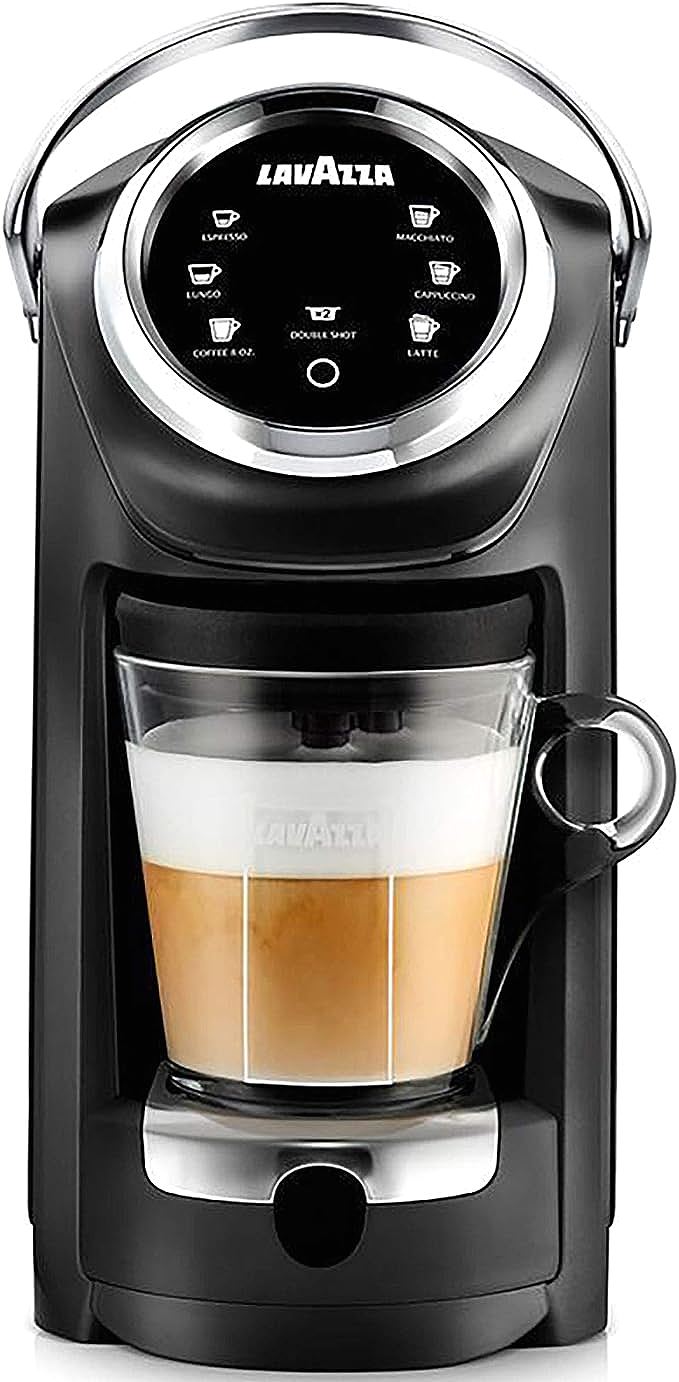
The Science of the Perfect Home Cappuccino: A Deep Dive into the Lavazza Classy Plus
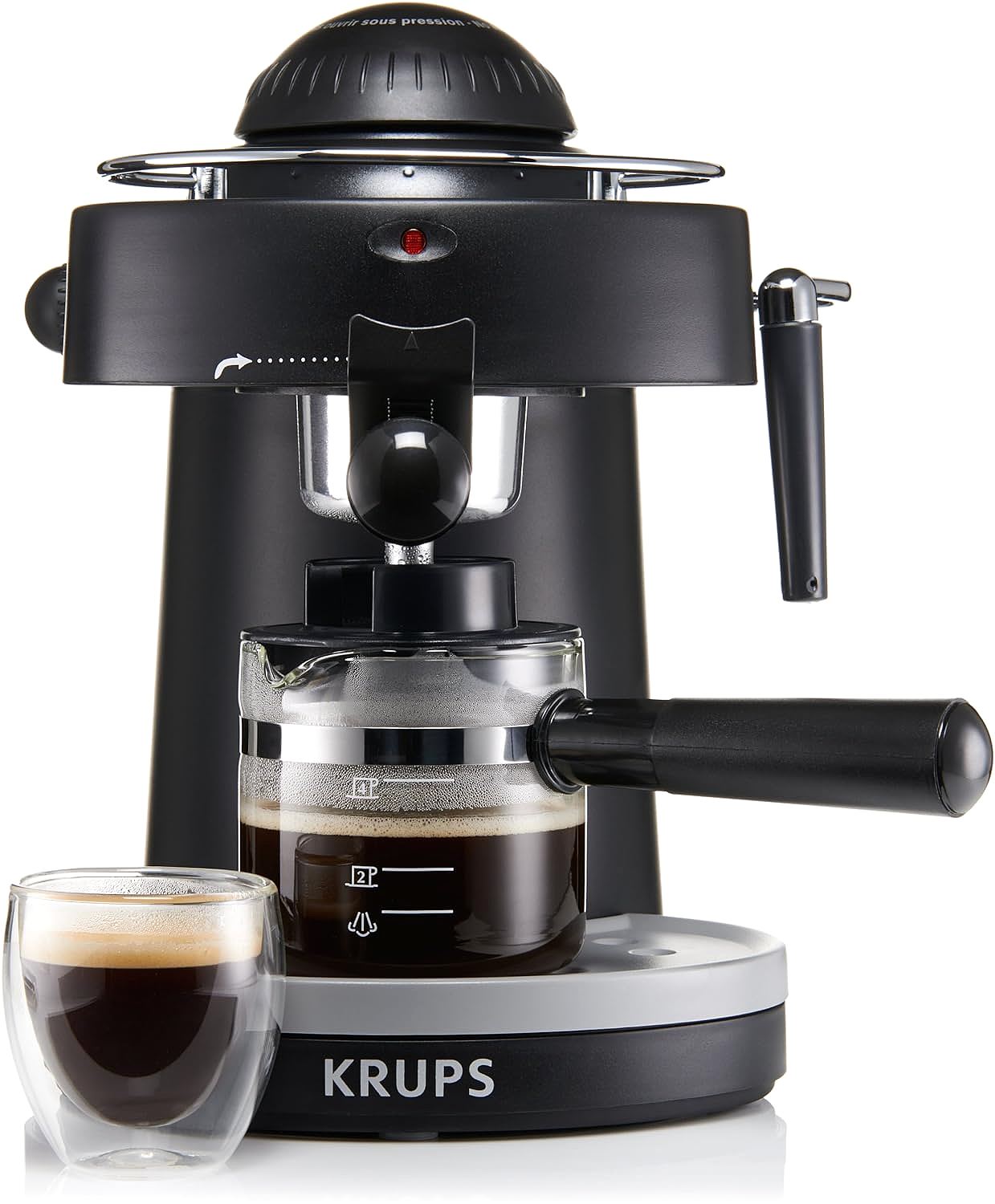
KRUPS XP1000 Steam Espresso Machine: A Deep Dive into Affordable Espresso

The Soul in the Machine: How a Modern Espresso Maker Unravels a Century of Coffee Science
Espresso Extraction, Thermodynamics at 15 Bars
