The Science of Dark Roast: Oily Beans and Hidden Sugars

Maxwell House Dark Silk
Oily Beans and Hidden Sugars, What a Dark Roast Does to the Bean
A dark roast is a bean that has been pushed past the point where the color changes and into the range where the surface oils rise and the sugars burn, and the question of hidden sugars and surface oil is really a question of how far the development ran. The oil you see on a glossy bean is not a defect, it is the cell structure breaking open, and the sugar is the part that browning turns into flavor. This guide reads the chemistry through the numbers, because the roast is where the flavor is made and the dark end is where it gets concentrated.
The two cracks set the schedule
The roast runs through two audible events, the first crack near 196 deg C where the bean splits and steams out, and the second crack near 224 deg C where the oils start to move to the surface. A light roast stops just after the first crack and keeps most of the bean structure, and a dark roast runs 4 to 6 minutes past the first crack, which is the window that burns the sugars and lifts the oil. The development time, that 4 to 6 minute stretch, is what turns a brown bean into a dark-roast bean, and it is the variable the roaster controls.
Caramelization turns sugar into body
The sugars in the green bean run from 5 to 7 percent of the mass, and the dark roast is the step that caramelizes most of them. The Maillard reaction between sugar and protein runs from about 140 to 180 deg C, and it builds the roasted flavor, while the caramelization of the free sugars adds the body and the sweetness that a light cup does not have. A dark roast pushes the caramelization past the sweetness point, into the range where the sugars turn to bitters and the body fills out. The hidden sugar is real, and it is the fuel the browning burns, so the flavor and the sugar are the same story told twice.
The surface oil is the structure breaking
The glossy sheen on a dark bean is the cell walls breaking open and pushing the internal oils out, and the oil content on the surface climbs as the roast goes darker. A light roast holds the oil inside at a low level, and a dark roast lifts it to the surface, where the gloss reads across most of the bean. The green seed carries 10 to 16 percent lipids by mass, and the darker the roast the larger the share that migrates out of the broken cells. The oil carries the flavor compounds, which is why a dark cup tastes richer, and it is also why a dark roast goes stale faster, because the oils oxidize on the surface. The 4 to 6 minute development is the point where the oil trade happens, and the shelf life drops with it.
Water loss is the density story
The green bean holds 10 to 12 percent of its mass as water, and the roast drives most of that out, so a dark bean is lighter and less dense than the green. A 500 g green charge leaves a dark roast at roughly 400 to 425 g, a total roast loss of 15 to 20 percent; the water is the larger part of that (the 10 to 12 percent of green mass), and the rest leaves as carbon dioxide and volatiles off the sugars. That shrink is why the cup from a dark bean is more concentrated. The density number matters for the dose, and an 18 g dose of a dense light bean is not the same cup as 18 g of a lighter dark bean, because the dark one holds more of the burned sugars in the same weight. The 500 g to roughly 410 g shrink is the physical story of what the fire does.
The caffeine does not change much
The one number that does not move with the roast is the caffeine, and a dark bean keeps the same 80 to 100 mg per cup as a light one, because the caffeine is stable to the heat. The darker cup is not more caffeinated, it is just more of the burned sugar and the surface oil in the same 18 g dose. That is the honest answer to the dark-roast question: the flavor runs deeper, the oil climbs to the surface, and the water leaves, while the caffeine is the same. Maxwell House Dark Silk is the category example: the 24.5 ounce canister lists at $21.99, and an 18 g dose with 80 to 100 mg of caffeine are what hold through the roast.
Stated plainly
Maxwell House Dark Silk is where the chemistry lands in the kitchen: it is ground coffee in a 24.5 ounce canister, and the can's own storage note says to keep an opened can in a cool, dark, dry spot, which is the habit the surface oil above asks for. The window is the pre-ground one, and the aromatics slip away in days once the can opens, so the size is picked around a month of drinking. When the cup still reads rich and the oils are doing their work, the flavor is riding the fire that made it, and the brew just sets it free.

Brewing and storing the oily bean
The roast numbers change what the bean wants from the brew. The surface oil and the burned sugars dissolve faster than the structure of a light roast, so a dark bean reads sweeter and less acidic even when the grind is coarser. For drip, that means a grind one step coarser than a medium roast and water at 93 to 96 deg C, the extraction range the Specialty Coffee Association publishes; the dark bean also wants a slightly shorter contact time, because the oils that carry the flavor are the same oils that turn bitter when the bed runs long.
The dose stays the anchor. An 18 g dose in a 1:2 espresso ratio yields about 36 g of liquid in 25 to 35 seconds, and the same 18 g in a drip basket sits near a 1:16 water-to-coffee ratio. Because a dark roast holds more of the burned sugars in the same weight, an 18 g scoop of dark grounds reads sweeter than an 18 g scoop of a dense light roast, so the cup is tuned on the grinder rather than on the scale alone.
Storage is the part the oil makes urgent. The surface lipids oxidize on contact with air, so a dark roast stales faster than a light one. Whole beans keep their oils inside the cell walls and hold 2 to 4 weeks past the roast date in a sealed, cool, dark container, while pre-ground coffee gives up its aromatics within days. Buying whole beans in a size the household finishes inside a month and grinding immediately before the brew is the practice the chemistry rewards.

Maxwell House Dark Silk
Related Essays

Specialty Coffee Bean, Alchemy of the Perfect Cup


Neretva PE3650U 20 Bar Espresso

Ilsa 3 Cup Stainless Moka Pot

The Surprising Science in Your Coffee Maker

LEBURRY Portable Burr Coffee Grinder: 38 Grind Settings

Kwister CM1687 Guide: The Numbers Behind the Shot

CASABREWS CM5418 Home Espresso Machine, the Household Pull
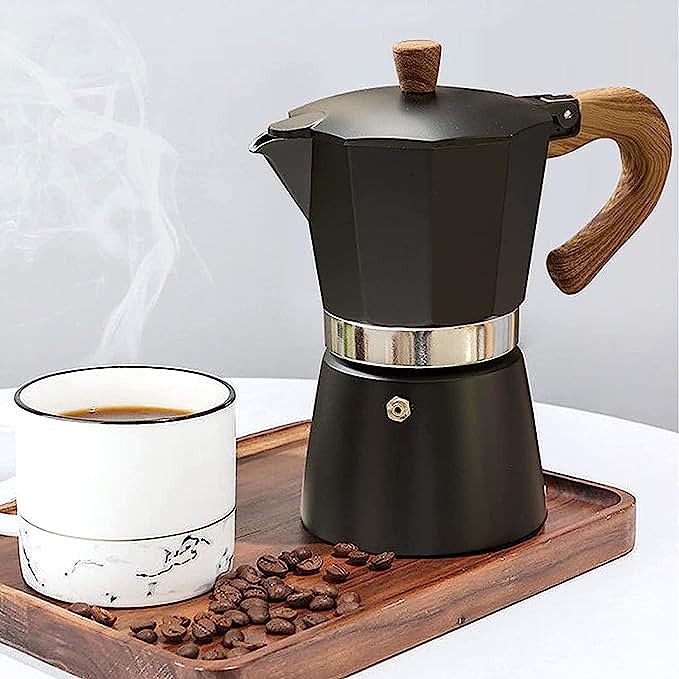
The Physics of Flavor: Deconstructing the Moka Pot
