Why Your Coffee Maker Knows Your Brain

BLACK+DECKER 12-Cup Drip
BLACK+DECKER 12-Cup Drip is the product this guide examines.
Why Your Coffee Maker Knows More About Your Brain Than You Think
A drip coffee maker is a box of water and heat, but the machine that greets you at 6 a.m. has already made three decisions: how much water, how hot, and how long. The BLACK+DECKER 12-Cup Drip makes those decisions visible through a 12 cup glass carafe, a 60 g starting dose, and a brew window of 8 to 10 minutes at 93 to 96 deg C. Read the numbers and the morning stops being a mystery.
Size starts with the 12 cup carafe
The Duralife glass carafe holds 12 cups, and each cup is about 5 ounces, so a full pot is roughly 60 ounces or 1.8 liters. Measurement markings on the side take the guesswork out of filling, and the easy-grip handle keeps a full carafe steady. A full 12 cup pot at a 1 to 15 water-to-coffee ratio takes about 120 g of grounds; a 60 g dose brews roughly half that, about 6 cups, at the same strength. The front-facing water window shows exactly how much water will turn into coffee, and the brew basket takes a standard paper filter, so the fill line and the filter are the two habits that keep the pot consistent. That split is the first thing to understand before the first scoop.
Heat runs the brew
The heating element brings the water to 93 to 96 deg C, the specialty-coffee range where acids and sugars extract together instead of one running ahead of the other. A 60 g dose moves through that water in 8 to 10 minutes, and a medium grind keeps the flow inside that window. A 4.5 lb body and an 11 inch height keep the machine compact enough for a counter, a 12.25 inch width and an 8.25 inch depth round out the footprint, and the black finish hides the daily splashes.
The dose and the strength
Strength is a ratio, not a feeling. A 60 g dose against 900 g of water is 1 to 15, and the same 60 g against 1.2 kg of water is closer to 1 to 20, a lighter cup. Doubling the dose to 120 g for a full 12 cup carafe keeps the 1 to 15 target. Grind matters as much as weight: a medium grind holds the 8 to 10 minute window, while a coarser grind lets the water run through faster and leaves the cup thin. The 18 to 22 percent extraction band is the range where sweetness and body balance, and both dose and grind push the cup toward or away from it.

The keep and the cost
The 2-Hour Auto Shutoff ends the heated-plate cycle two hours after the brew, which is the window where a glass carafe still tastes fresh. A 20 dollar, 1.8 kg bag of grounds holds 30 doses of 60 g, and at 1 to 15 each dose makes about 6 cups, so the coffee runs about 0.66 dollars a pot, or about 11 cents a cup. Against a 35 dollar machine, the math favors the drip body for anyone who drinks two cups before work.
A morning with the 12 cup pot
Each morning, 60 g of medium grind goes into the basket, and the water heats to 93 to 96 deg C before it wets the bed. The brew runs 8 to 10 minutes, and the carafe fills to whatever line the water window shows. A 120 g dose would fill the full 12 cups at 1 to 15; a 60 g dose fills about half and leaves room for a second round. The 4.5 lb body stays put on the counter, and the 2 hour keep that follows is the part a household uses.
The drip sheet
The short version: a 12 cup carafe, a 60 g dose for about 6 cups, a 1 to 15 ratio, 93 to 96 deg C water, a medium grind, and an 8 to 10 minute brew. A full pot doubles the dose to 120 g, the 18 to 22 percent extraction band is the target, and the 2-Hour Auto Shutoff ends the keep at two hours. The 4.5 lb body and 11 inch height fit a counter, and the 35 dollar price keeps the whole setup simple.
What the Vortex brew does for the dose
The Vortex brewing pattern spreads the water across the whole bed instead of punching one stream down the center. That even spread is why a 60 g dose extracts the same way at the basket wall as it does in the middle, and why the cup stays inside the 18 to 22 percent band instead of leaving a sour ring and a bitter core. For a drip coffee maker working at 1 to 15, an even bed is the difference between a pot that tastes the same on the first cup and the last.

The Sneak-A-Cup and the 2 hour window
Sneak-A-Cup pauses the flow when you lift the carafe, so the first cup can come out before the brew ends without a drip on the plate. It also protects the pot: coffee left dripping onto a hot plate with no carafe under it keeps extracting and turns sharp. Stopping the flow keeps the 60 g dose in the basket at the medium grind instead of running past the 8 to 10 minute window. The 2-Hour Auto Shutoff then closes the cycle, and the 4.5 lb body cools with the glass rather than cooking the last cups.
Programming the morning
QuickTouch programming runs the brew on a 24-hour cycle, so the dose and the grind are set the night before. The Easy-View Water Window shows the fill line against the 12 cup carafe, and that line is where most pots go wrong: read it at the carafe mark and the 1 to 15 ratio holds, guess it and the cup drifts weak or harsh. The brew basket takes a standard paper filter, and the rubberized digital controls show the clock, the brew time, and the program at a glance. The easy-read screen keeps those three readings in view, and the large rubberized buttons are easy to hit before the first coffee. At 35 dollars, the routine is repeatable every morning.
BLACK+DECKER 12-Cup Drip
Related Essays

AERCANA 20 Bar Espresso Machine: Extraction Explained

The Physicist in Your Kitchen: Deconstructing the Science of the Stovetop Moka Pot
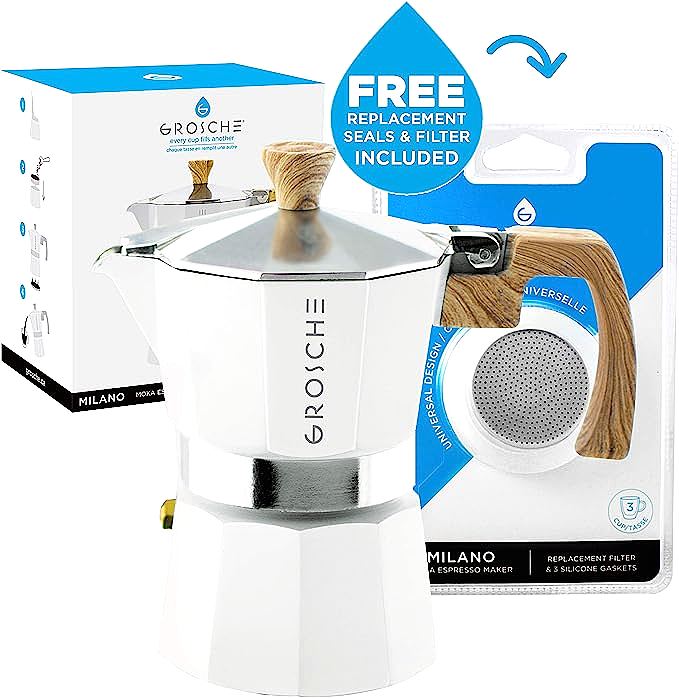
The Science of Stovetop Espresso: A Deep Dive into the Moka Pot's Magic
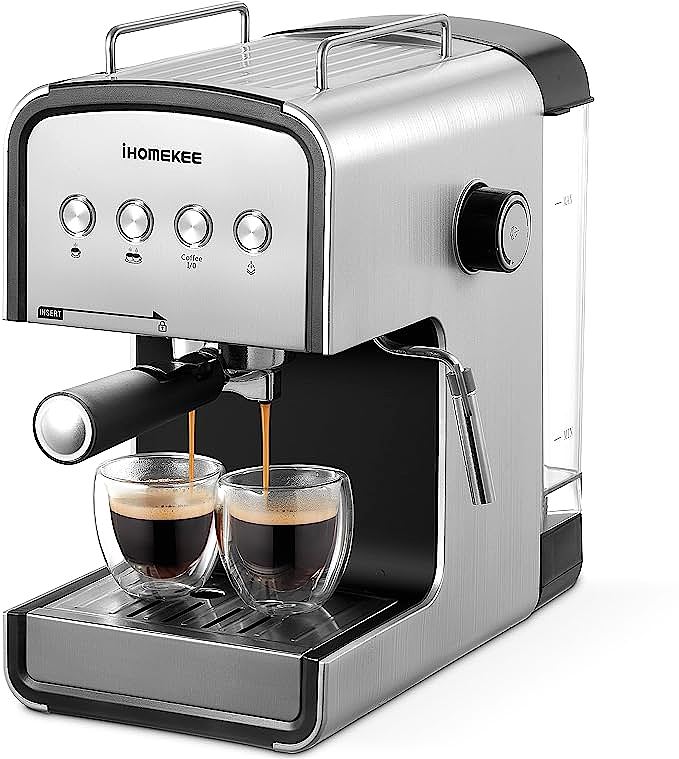
Ihomekee CM6822 15 Bar Espresso Machine: Barista-Quality Coffee at Home
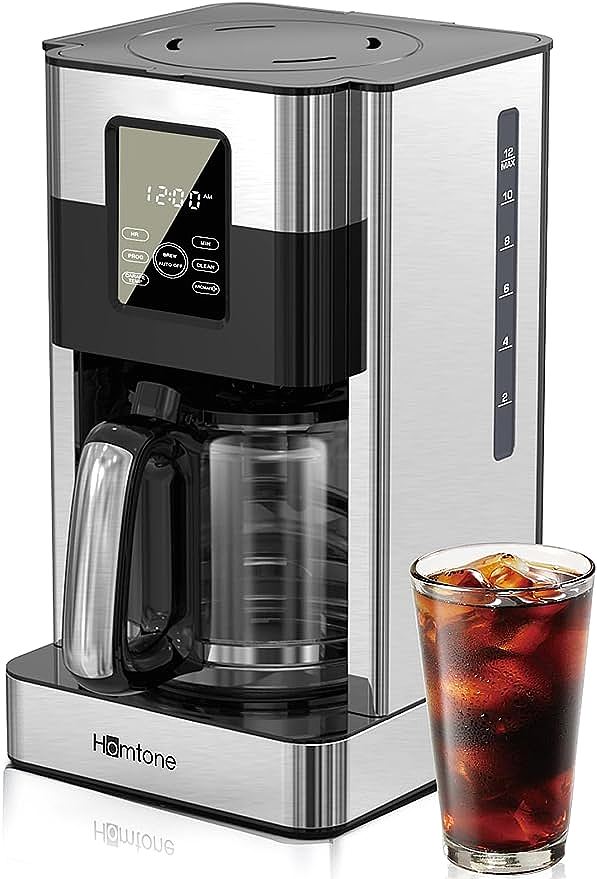
Overcoming Hydraulic Resistance: The Mechanics of Domestic Drip Percolation
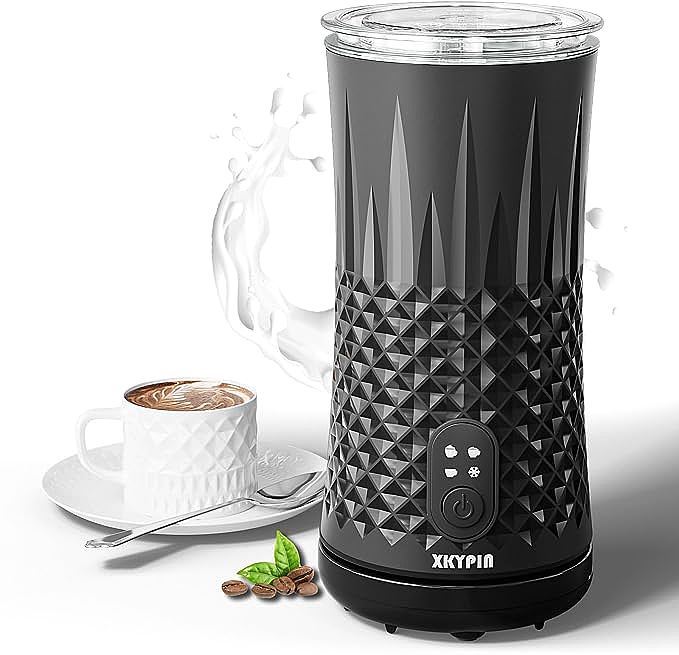
XKYPIN BL-NPB07 Milk Frother: Your At-Home Barista for Perfect Latte Art
The Thermodynamics of Taste: Why Precision Heating Defines the Modern Home Espresso

The Chronology of Flavor: Volatility, Oxidation, and the Grind-to-Brew Imperative
Hamilton Beach 40715 Espresso Machine: Barista-Quality Coffee at Home
