How to Choose and Use a Compact Espresso Machine

CASABREWS CM5418 Compact Espresso Machine
What sets an espresso machine apart
A drip brewer lets hot water fall through a bed of coffee under normal pressure, and the result is a light filtered drink. An espresso machine works the other way. It pushes a small amount of water through a tightly packed puck of fine grounds, and that pressure is what produces a concentrated shot with a layer of crema on top. Three jobs sit at the center of every machine in this class: heating water to a narrow temperature band, driving that water through the puck at a steady pressure, and steaming milk with a wand. A compact model performs those same jobs in a smaller footprint. The CASABREWS CM5418 Compact Espresso Machine is the worked example this guide returns to, and its listing describes a 20 bar pump and a 1350 W boiler.
Pump pressure and what the gauge reads
The number printed on a box, such as 15 bar or 20 bar, describes the pump rather than the pressure at the coffee. What reaches the puck sits closer to 9 bar, and a machine that holds near that figure can pull a proper shot. A pump rated above 9 bar leaves headroom, so the flow stays steady as the puck resists the water. That is why 20 bar pumps turn up across compact machines. A gauge on the front panel removes the guesswork. This model carries a round gauge, and the needle moves as the shot runs, so you can watch for a flow that drifts.

Boiler wattage and heat-up time
Wattage sets how fast the boiler reaches brewing temperature. A 1350 W boiler is common in compact machines, and most reach temperature in under a minute. A lower-rated unit can take longer between shots. Wattage alone does not decide the cup, but a stronger boiler recovers faster when you pull two shots back to back or steam milk right after brewing.
Water tank size and refilling
The water tank sets how many drinks you can brew before a refill. A compact machine often carries a 34 oz tank, which covers several cups but not a long line of guests. A detachable tank makes refilling easier, because you lift it to the sink instead of pouring from a pitcher over the counter. This model's listing names a 34 oz water tank that detaches for refilling. Larger tanks appear on bigger machines, and some pair a 1.5L tank with a 200 g bean hopper.

The steam wand and milk texture
The steam wand turns cold milk into microfoam for a latte or a cappuccino. A wand with a rotating joint lets you swing it over the drip tray or into a pitcher at an angle. Technique matters more than the wand itself. Start with cold milk, keep the tip just under the surface to pull in air, then sink it to heat and spin the milk into a smooth texture. One habit trips up new owners. On many machines you cannot brew right after steaming, because the boiler runs hot and the group needs to cool first. Its listing notes that brewing right after frothing can push the machine into an over-heating protection mode, where the one cup and two cup lights flash until it cools.
Pre-infusion and an even shot
Pre-infusion wets the puck with a short, gentle burst of water before the main pressure arrives. That step lets the grounds swell and settle, which reduces channeling, the path where water cuts through one weak spot instead of spreading across the whole puck. Several compact machines advertise the feature, and NTC temperature control often works alongside it. A puck that wets evenly gives up its flavor evenly, and the shot tastes the same from one morning to the next.

The group head and the portafilter
The group head is the metal block where the portafilter locks in, and the basket inside it holds the grounds. A heavier basket with a clean rim gives you a tighter seal, and the 58mm standard on home machines comes in single and double baskets. The machine ships with a portafilter, a one cup and a two cup brewing filter, and a tamper with a spoon. A warm group head helps the first shot taste right, which is why a short warm-up run matters on any compact machine.
Getting a shot right in practice
Pulling espresso on a compact machine comes down to a few habits more than any single setting. With a warm machine and a well-set puck, a shot tends to settle into a short window, often 10 to 30 seconds for a single and longer for a double. Paying attention to flow tells you more than chasing a number on the box. A thin, fast stream often points to a coarse grind or a light dose, while a slow drip often points to a grind that is too fine. Small adjustments work best when made one at a time, keeping the dose steady as grind shifts to bring the flow back into range.
Keeping the machine in shape
A little care goes a long way for a machine that heats water and steams milk. Rinsing the portafilter and basket after each session, along with wiping the steam wand right after use, helps prevent residue from hardening. Over time, mineral scale builds up in any boiler-fed machine, and that can affect both temperature stability and flow through the group. Following the descaling schedule in the manual with a recommended product, then flushing with clean water, keeps those passages clear. On machines that support it, a weekly backflush with a blind basket helps clear oils from the group head. The upkeep is minor, but it protects the parts that most directly affect pressure and temperature.
What the anchor machine is made of
The CASABREWS CM5418 Compact Espresso Machine (ASIN B09X3WGJ3R) is the worked example, and its listing names a 20 bar Italian pump, a 1350 W boiler, a front pressure gauge, a 34 oz detachable water tank, and a steam wand for milk. It ships with a portafilter, a one cup and a two cup filter, and a tamper with a spoon. The design is semi-automatic, which means you control the grind and the dose while the pump handles the pressure. That split is the whole point of a semi-automatic: the machine holds pressure steady, and you decide how much coffee to dose and how fine to grind it.

What the figures on the listing tell you
An espresso machine buying guide comes down to a short list of figures, and those figures predict how the machine behaves on your counter better than any slogan. The pump rating and the boiler wattage tell you how fast and how steady the machine can brew; the water tank size tells you how many drinks sit between refills; and whether the listing names a gauge or a pre-infusion step tells you how much you can watch and how even the shot will be. Put together, they describe the three jobs of the class in concrete terms: a steady pump, a fast-recovering boiler, and a clean puck. When you read a listing, those figures do the work the slogans do, and a number you can check against the machine beats an adjective you cannot. A 20 bar pump still needs to hold near 9 bar at the puck, and the front gauge is the only place you can confirm it.
CASABREWS CM5418 Compact Espresso Machine
Related Essays

How to Choose and Use a Home Espresso Machine

The 20-Bar Espresso Machine Myth: What Really Makes the Perfect Home Brew

How a Home Espresso Machine Works and How to Use It
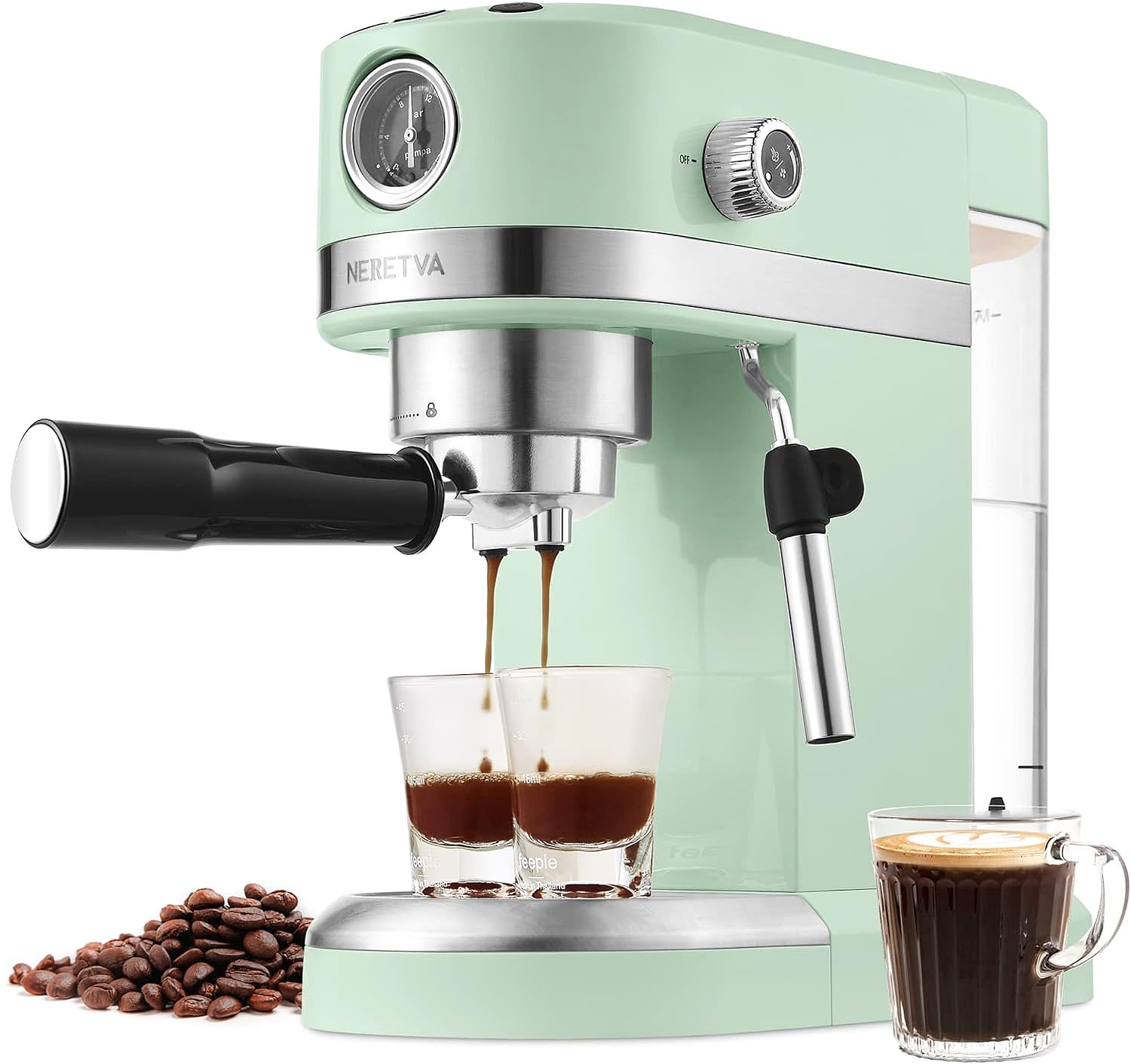
Neretva PE3680U 20 Bar Espresso
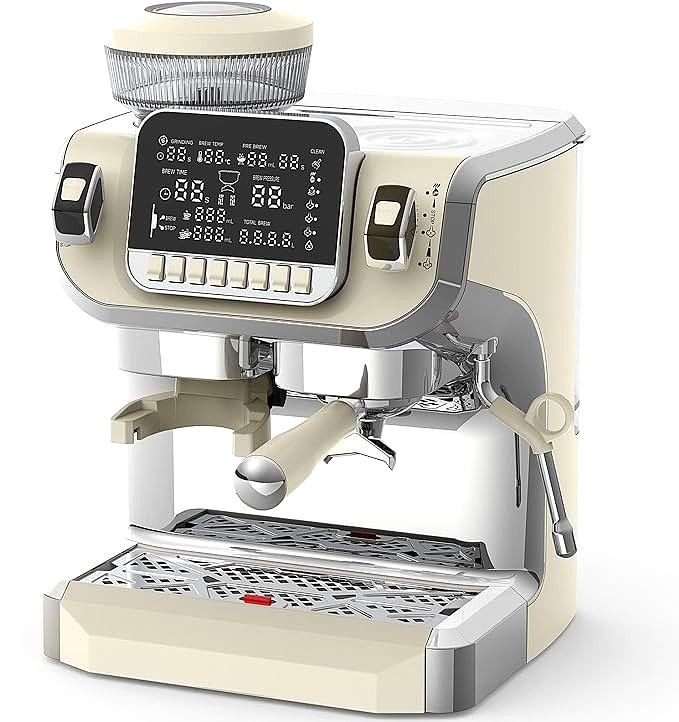
Espresso Extraction, Thermodynamics at 15 Bars
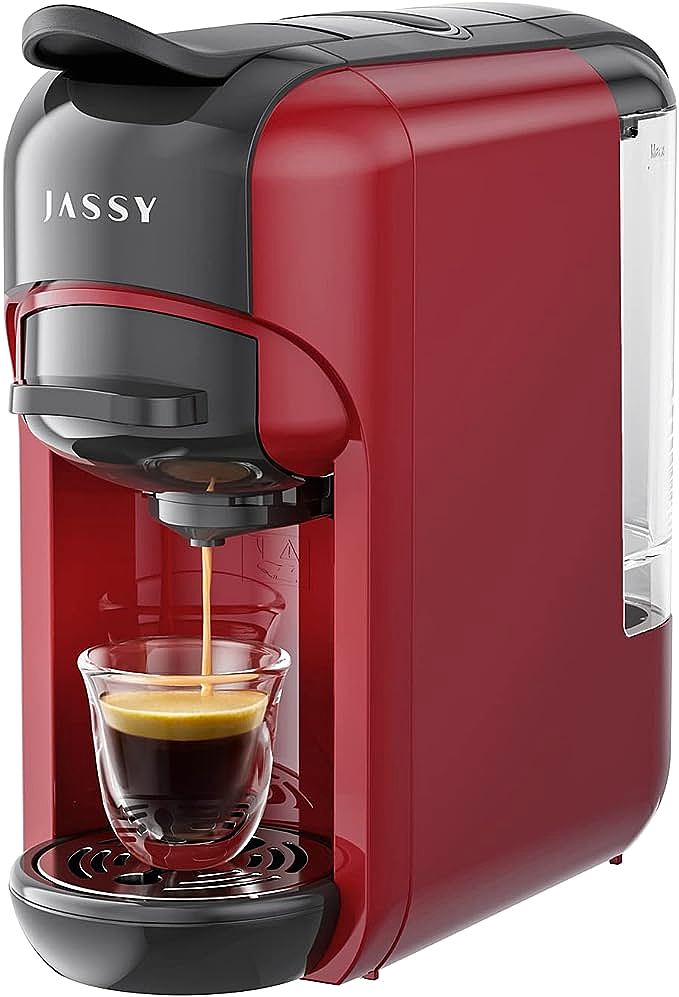
JASSY 20-Bar Budget Espresso
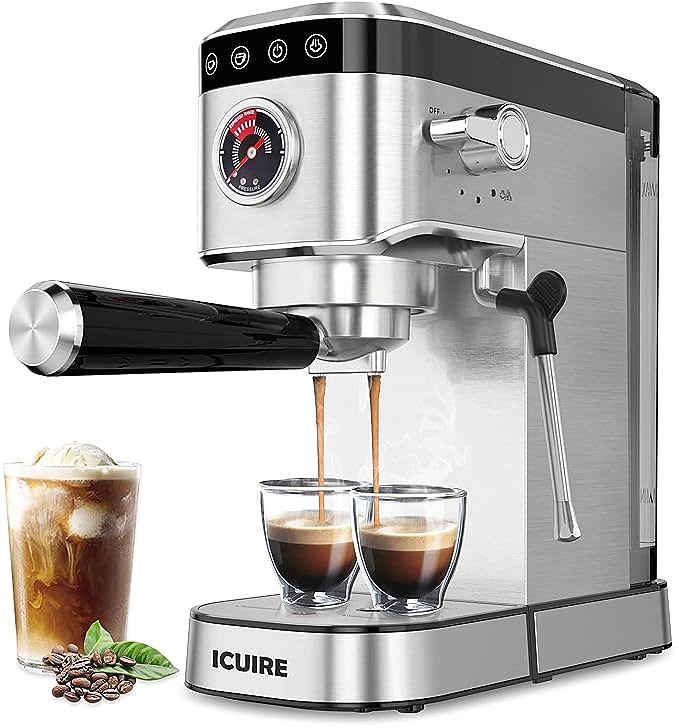
ICUIRE CM5100 20 Bar Espresso

Mr. Coffee 4-Shot Steam Espresso Maker for Cuban Coffee at Home

MEROL ME-720 Super Automatic
