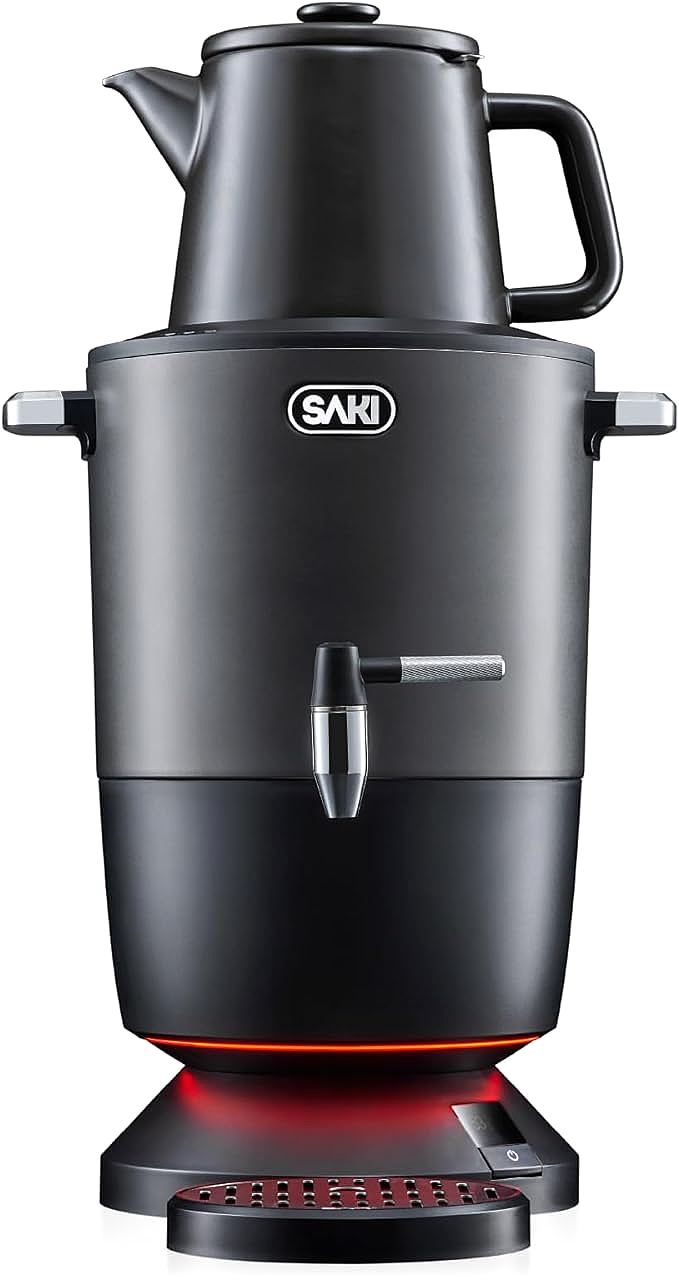
SAKI Luna Stainless Steel Electric Kettle
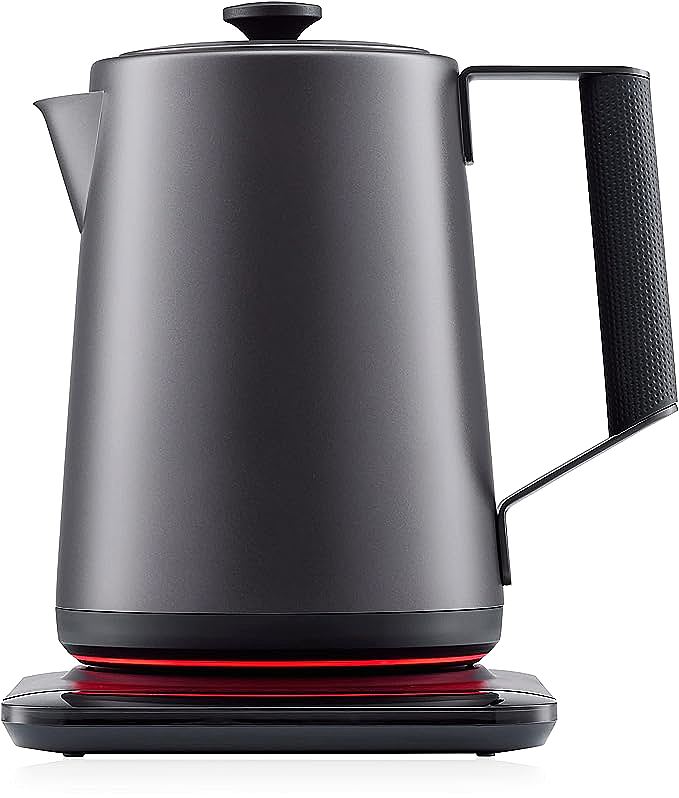
SAKI Luna Electric Kettle
SAKI Luna Electric Kettle is the product this guide examines. A stainless steel electric kettle with temperature control sounds like a small purchase, but three decisions do most of the work: what the body holds, how fast the element heats it, and which temperatures the presets span. The Luna carries a 1.7 L body, a 1500 W element, a pour point at 93 deg C, and a 4 minute boil, and every part of this piece follows from those four numbers.
Why the 1500 W element sets the pour
Home brewing rewards a fast element, and that is the role the 1500 W plays here. Water held below the extraction window pulls a flat, under-extracted cup, so the kettle targets the 93 deg C range where specialty coffee is standardly extracted. The element does the heating and the body does the holding, and the 4 minute window is the time the two spend together: from fill to pour-ready, a single cycle fits under five minutes, which is what keeps the kettle in rotation instead of on a shelf. A slower element stretches that window and the brewer waits; a kettle that takes twice as long to reach temperature quietly changes the morning routine, because the water is not ready when the grounds are. The boil speed also sets the limit on how many drinks one routine can hold. Two cups in a row need two cycles, and each cycle costs the full window, so a kettle that holds more water per fill and moves through it faster simply gives the brewer more room before anything has to be repeated.
The dial adds the second half of the argument. It spans three set points: a 65 deg C hold where green tea keeps its delicate notes open, the 93 deg C pour that sets the black coffee, and a 100 deg C boil that clears the water for the strong brews and instant hot drinks. Because each set point shares the same body, the only variable between a green tea morning and a black coffee one is the number on the dial. That split is why a temperature-controlled kettle earns the counter: one device, three set points, and no guesswork between the cups.
The cup math
The simplest way to read the 1.7 L body is in drinks per fill. Split the water by the size of what you pour: the body holds enough for several cups of coffee per single boil, which means one fill covers the whole household morning before the kettle needs a second cycle. That arithmetic is why the body size matters more than the boil speed for most routines. A kettle that holds enough water for the whole morning can stay on the counter through the pour instead of living in a cabinet, and the 0.9 kg shell is what keeps it there without crowding the shelf. When the water is held at 93 deg C instead of a full boil, the same fill stretches across the hot drinks that need it, because the temperature is set before the pour rather than by how long the water sat open. A larger brewer can also read the body as a ceiling: the 1.7 L cap is where the kettle stops, so anyone who regularly pours past it needs two cycles, and the 4 minute window is the cost of each one. The same count that makes one fill cover a household also makes the kettle predictable: the water runs out on schedule, not in the middle of a pour, so the refill lands where the routine expects it.
The stainless body and the counter fit
Stability is the role the 0.9 kg steel shell plays during the boil, and that weight is the quiet reason the base does not shift while the water moves. The stainless interior matters because the water never touches the plastic that lines the cheaper kettles, so the flavor carried through the brew stays clean. The 3 inch lid opens wide enough to rinse the interior without a brush, and the element sits sealed under the base rather than suspended in the water, which keeps the heating surface out of the cleaning reach and the flavor out of the hot spot where it degrades. The 4.5 inch width is the number that clears a home shelf, so the kettle earns the corner of the counter next to the grinder instead of disappearing into a cabinet on a tight setup.
How the three presets split the brew
In practice the three set points split the day by drink. The 65 deg C hold covers green tea, where heat above the note line flattens the cup; the 93 deg C pour covers black coffee at the standard extraction range; and the 100 deg C boil is the fallback for anything that wants water at full temperature, from the strong brews to instant hot drinks. Each set point is chosen once and held by the element until the cycle ends, so the routine becomes: pick the drink, turn the dial, let the element finish, pour. Nothing in that loop depends on watching the water or guessing the temperature, which is the difference between a kettle you check and one you trust. The preset list is also where the kettle argues its value: a boiling-only kettle forces the green tea drinker to cool the water down by trial, while this one reaches the target directly and holds it there.


The kettle in one pass
The SAKI Luna Electric Kettle is the 1.7 L, 1500 W, three-preset kettle described above, and the stainless body is what makes it a permanent counter appliance rather than a drawer item. Read the piece as one chain: the element sets how fast the pour is ready, the body sets how long one fill lasts, and the presets set which drink the water is made for. None of the three numbers works alone, and none of them changes between the green tea morning and the black coffee afternoon.
The side the safety covers
The two safety behaviors live on the parts the dial does not touch. Auto shut-off ends the cycle within 30 seconds after the 100 deg C boil completes, so a 1.7 L body left on the counter stops heating when the water is done. The dry-boil protection is the second layer: if the element finds no water to carry the heat away, the cycle stops early instead of running empty, so a forgotten body is a short heat and not a burnt element. Neither behavior asks for attention in the normal routine — the routine is fill, set the dial, pour — and both of them are what make the routine safe on the days the fill was forgotten.
SAKI Luna Electric Kettle
Related Essays