JASSY JS-100 Espresso Coffee Machine: A Guide to Home Brewing
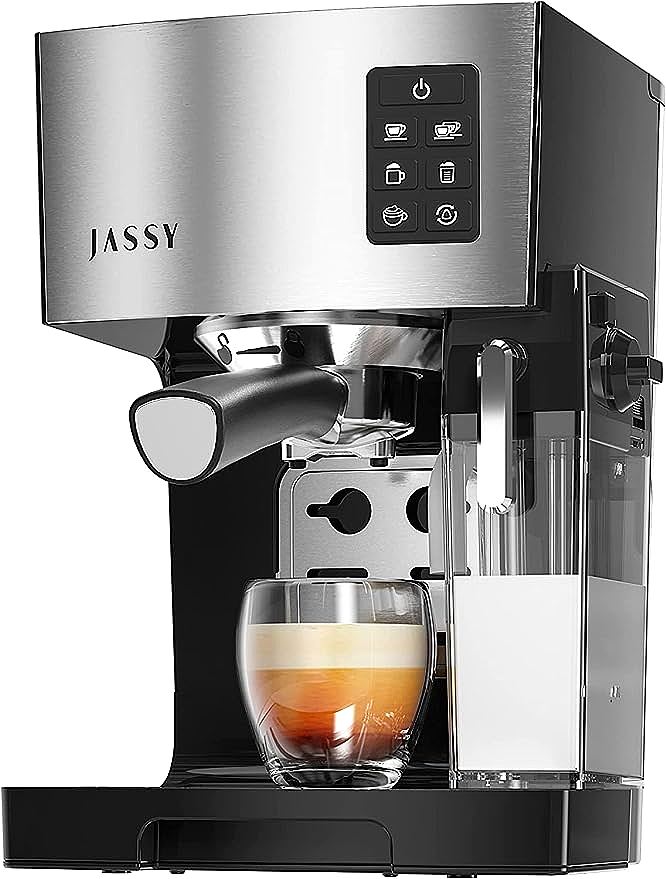
JASSY JS-100 Espresso Coffee Machine
Introduction
The JASSY JS-100 Espresso Coffee Machine (ASIN B0BY95979R) belongs to a class of home espresso machines that bring cafe-grade brewing to your kitchen counter. With 20 bar pressure systems becoming the industry standard, machines like the JS-100 offer home baristas the ability to pull rich, crema-topped espresso shots without the steep learning curve of professional equipment. This guide looks at the design choices and market context that shape how a machine like this fits into a home setup for coffee enthusiasts who want to improve their daily brewing routine.
The home espresso machine market has evolved significantly over the past decade, with manufacturers introducing advanced features that were once reserved for commercial cafes. The JS-100 sits at the intersection of affordability and functionality, with a focus on the basics that matter for daily use. What separates a good espresso machine from a mediocre one often comes down to a few practical design choices that directly impact the quality of your daily cup.

How Espresso Machines Are Built
Pressure Systems
The 20 bar pressure rating found on the JS-100 and most modern home espresso machines refers to the pump pressure used to force hot water through finely ground coffee. This pressure rating describes the pump maximum; extraction itself happens around 9 bars through the puck, which is enough for the full flavor profile from coffee beans, producing the characteristic crema that signals a well-pulled shot. Competing machines in the market range from 3.5 bar entry-level models to a pump rated at 20 bar systems, with 15 bar and 9 bar representing intermediate options that cater to different brewing preferences and budget constraints.
Pressure alone does not determine extraction quality. The consistency of pressure throughout the extraction process matters just as much as the peak rating. Machines with stable pressure delivery produce more uniform shots, while those with fluctuating pressure can result in under-extracted or over-extracted coffee. Machines in this class use pump systems designed to maintain steady pressure from the first drop to the last, which helps each shot taste as good as the previous one.

Power and Heating
Most 20 bar espresso machines operate with power ratings between 1350W and 1600W. That range provides enough power for rapid heating and a stable brewing temperature. Higher-wattage machines, such as those rated at 1600W, heat faster and hold temperature better across consecutive brews, while lower-powered machines at 800W may need longer preheats and can struggle to stay consistent when pulling shot after shot.
The heating system in an espresso machine typically uses either a thermoblock or a boiler design. Thermoblock systems heat water on demand as it passes through the machine, offering faster warm-up times but potentially less stable temperature during extended use. Boiler systems maintain a reservoir of hot water at a consistent temperature, providing better stability for multiple shots but requiring longer initial heat-up. Compact machines in this class typically use a thermoblock design that balances speed and consistency for home use.
Water Tank Capacity
Water tank capacity varies significantly across the market, from compact 240ml tanks suitable for single servings to large 2.8L reservoirs that can brew 8-10 cups without refilling. Machines in this class typically carry removable water tanks in the 34-67 oz range, balancing capacity with countertop footprint. Removable tanks simplify the refilling process and make cleaning more convenient, which is especially important for daily use.
The material of the water tank also matters. Some machines use plastic tanks that can retain odors and stains over time, while others use stainless steel or BPA-free materials that are easier to clean and more durable. When evaluating water tank options, consider not just capacity but also ease of removal, filling, and cleaning.
How Design Choices Affect the Cup
The way an espresso machine is put together matters more in practice than any single spec on a box. For the JASSY JS-100, the interplay between pressure delivery, heating, and its milk frothing setup shapes day-to-day results. A stable pump helps maintain consistency across shots, while a responsive steam wand gives enough control for textured milk without overcomplicating the process. Pre-infusion can take the edge off uneven grinds, and details like portafilter size tend to matter most when dialing in rather than when pulling a first shot. These are qualities to judge in context of use, not a checklist to tick off.

Price Ranges Across the Home Espresso Market
Entry-level models start in the low fifties: the KEENSTAR 3.5Bar lists at $54.99, the Chefman CraftBrew at $79.97, and the SECPOEDR 20 Bar and AERCANA 20 Bar sit at $99.74 and $99.98 respectively, the latter carrying a 1450W heating system. Machines in this group tend to rely on basic pumps, plastic components, and simpler heating systems; the 3.5Bar entry point trades temperature precision and pre-infusion features for a lower sticker price, and the 20 bar ratings here mark pump maximums rather than the pressure actually applied during extraction.
In the middle of the range, prices cluster between about $111 and $200. The CASABREWS CM5418 offers a 34 oz detachable water tank, the Electactic 20 Bar is $111.10, the COWSAR 20 Bar is $126.95 with a 1350W heating system, and the SHARDOR 20 Bar is $199.99 with a 1500W system. These machines pair 20 bar pumps with stainless steel construction, pressure gauges, more adjustable steam wands, and finer temperature control than the entry-level group.
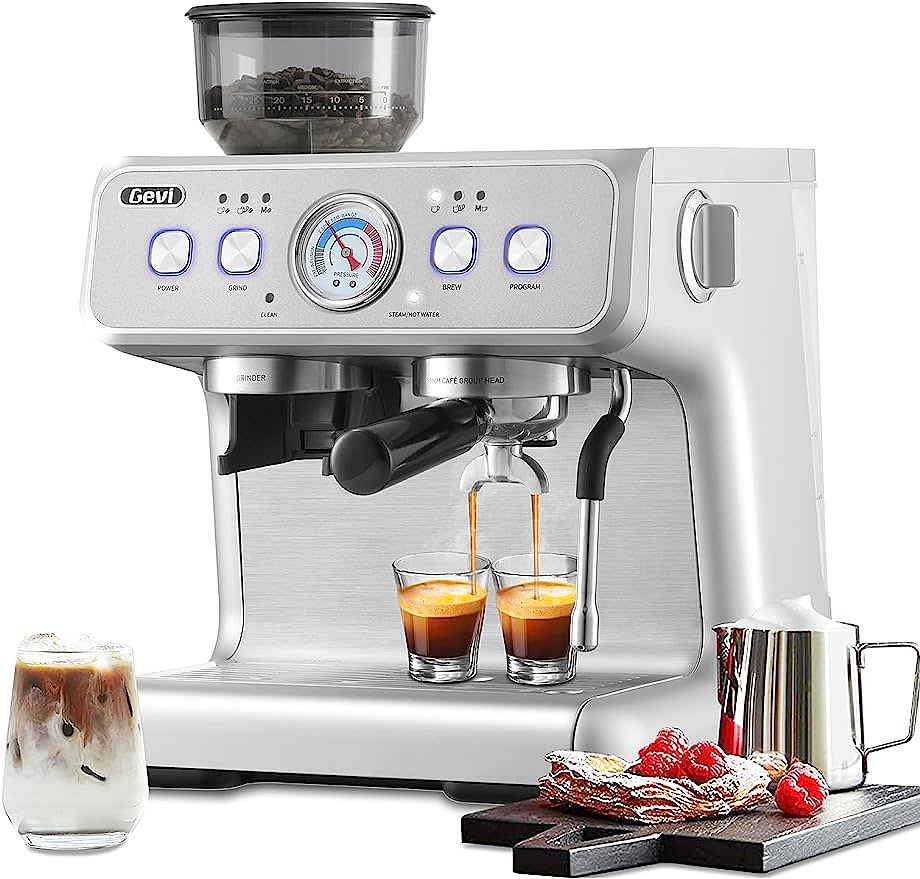
At the top of the consumer range, prices climb from about $360 to $685. The Gevi 20 Bar White is $359.99, the EUHOMY Automatic is $368.56, and the Breville BES870XL is $683.49 with a 1600W boiler. This group layers in built-in burr grinders with adjustable settings, PID temperature control, automatic milk frothing, programmable shot volumes, and self-cleaning cycles.
Set against these figures, the build differences behind the price steps become legible: the entry group covers the brewing basics, the middle group refines materials and controls, and the top group adds grinders and precision features. Understanding which parts of the spec sheet drive the price steps - the pump rating, the materials, the temperature control, or an integrated grinder - turns the price figures into something concrete to read against build quality.
Keeping It Going Over Time
A little attention goes a long way with a home espresso machine. After each milk drink, wiping down the steam wand and keeping the drip tray in check prevents buildup. The group head benefits from a quick rinse with clean water at the end of a session, and the removable water tank is easier to keep fresh with regular washing. Over time, hard water leaves scale behind, so descaling becomes part of the rhythm when buildup starts to slow things down - many machines flag when it's due, and filtered water stretches the intervals between rounds. If there's an inline filter, swapping it on schedule keeps taste cleaner and helps protect internals.
What the Label Means in Daily Use
The JASSY JS-100 Espresso Coffee Machine (ASIN B0BY95979R) is the machine running through this guide: a 20-bar pump, a milk frother, and a compact footprint that fits most kitchen counters. Each of those specifications maps onto a daily routine rather than an abstract spec sheet. The pump rating describes the maximum the pump can produce; the extraction pressure that actually reaches the coffee sits near 9 bar, and it is the stability of that pressure across consecutive shots that decides whether every cup tastes the same. The frother's reach matters when building steamed-milk drinks: how quickly it forms texture and how forgiving it is while you are still learning to steam. The water tank's capacity and its ease of removal set how often you refill and how much upkeep the machine adds to a morning.
Read the specifications that way and the label stops being a marketing number. A "20 bar" figure, for instance, becomes something to check against real behavior - how the temperature holds between shots, how a grind interacts with shot time, what scale buildup does to the water path over months. The machine's behavior under those conditions, not the label alone, is what a daily routine ultimately depends on.
JASSY JS-100 Espresso Coffee Machine
Related Essays

AERCANA 20 Bar Espresso Machine: Extraction Explained

SHARDOR CM1661 Home Espresso Machine

The Steam-Powered Heart of Espresso: A Deep Dive into the SOWTECH CM6811
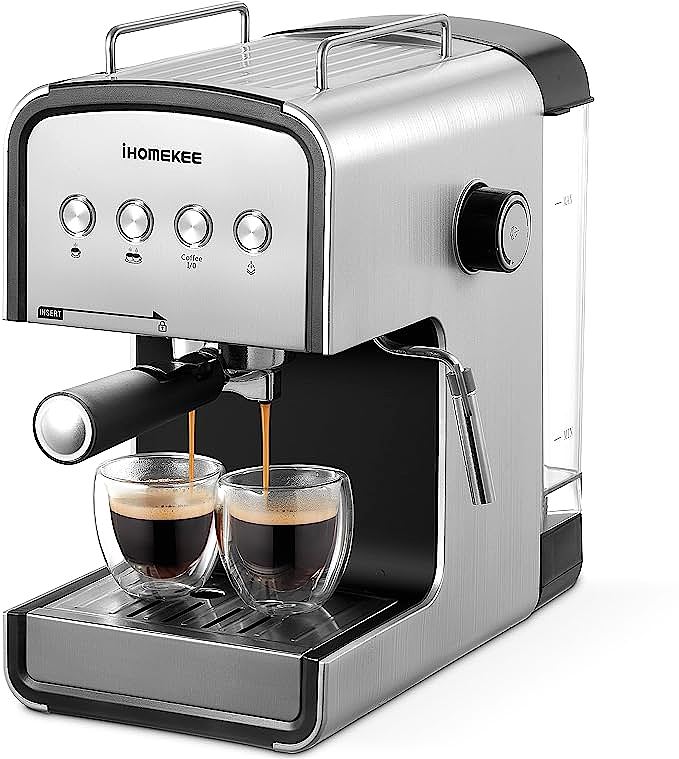
Ihomekee CM6822 15 Bar Espresso Machine: Barista-Quality Coffee at Home
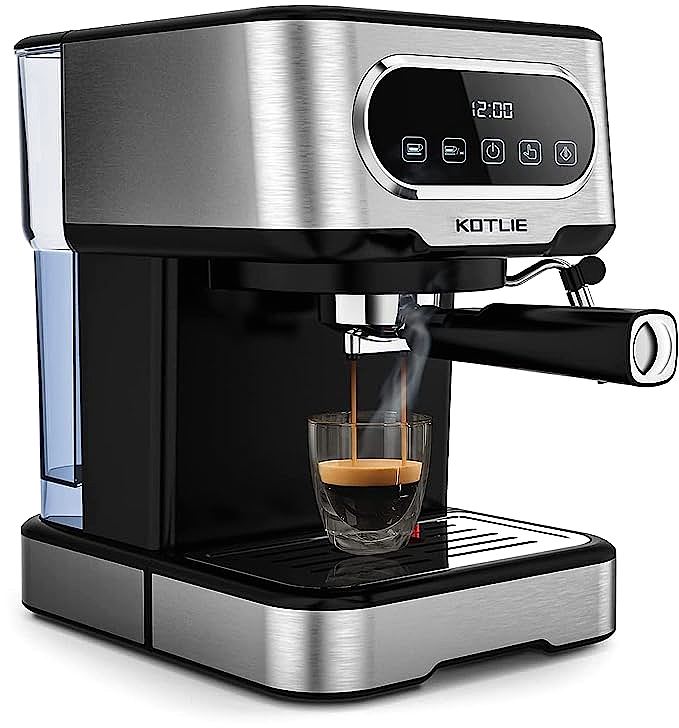
KOTLIE 5403 20 Bar Espresso Machine: Unlock Cafe-Quality Espresso at Home

PHILIPS 3200 Series (EP3221/44) - Your Home Barista for Perfect Espresso
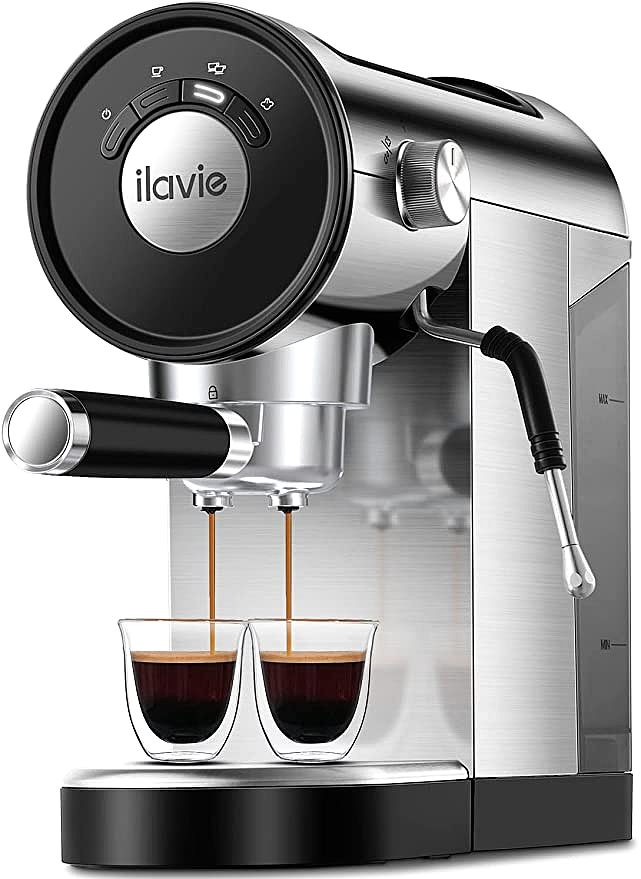
The Truth About Budget Espresso Machines: A Scientific Look at the ILAVIE CM-801B
The Soul of the Machine: Unlocking the Science and History of Your Espresso Shot

The Soul of the Machine: Uncovering the Science and History Behind Your Espresso
