The Precision of Drip: Strength and Thermodynamics
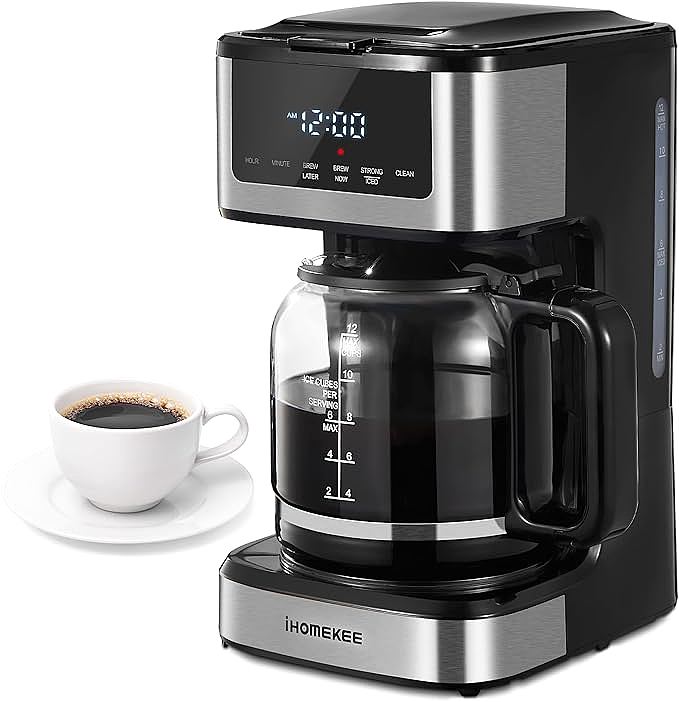
Ihomekee CM9428
This guide looks at a 12-cup programmable drip coffee maker that brings a glass carafe, a keep-warm plate, and an iced setting on the same touch panel, all from the Ihomekee CM9428.
Precision of Drip: Strength and Thermodynamics at Home
Drip coffee ties together heat, water, and time, and the strength of the cup comes from a handful of numbers you can set. A drip maker holds the water in a narrow temperature band and draws it through the grounds at a steady rate, and the extraction that comes out of the two is the strength the cup carries. A touch panel puts those numbers in reach, with a brew-later start, a regular or strong brew choice, and an iced setting, so the thermodynamics are handled by the machine while you choose the dose and the setting.
Temperature drives the extraction
Brew temperature does most of the work. Water between 195 and 205 deg F dissolves the sweet and bright compounds in the grounds without pulling the harsh, bitter tail that appears past 210 deg F, and a pot that runs near 185 deg F leaves the cup sour because those compounds never open. A drip maker that reaches the band in the first minutes and holds it through the draw keeps the extraction inside the 18 to 22 percent window that most balanced cups land in. The reservoir warms and the draw holds in that band, so the temperature is managed for you while the dose and the setting stay in your hands.
Grind sets the draw rate
Draw rate follows the grind. A medium grind near 0.8 mm lets the water pass through in about 5 to 8 minutes; a coarser 1.1 mm grind races through in under 4 minutes and thins the cup, while a fine 0.5 mm grind chokes the flow toward 8 minutes and darkens it. The brew basket holds the grounds in a filter that keeps the fines out of the cup, and a grind that repeats from one bag to the next keeps the draw steady. A 30 g dose of medium grounds against 400 ml of water keeps the extraction inside the same 18 to 22 percent window.
Dose against the carafe
Dose is the coffee mass the water dissolves, and a 12-cup carafe that holds about 60 fl oz sets the target. A 30 g dose against 400 ml of water is the ratio a half pot wants, and the full carafe takes roughly 60 g of medium grounds for the same strength. Pushing the dose higher in the same water drives the extraction past 22 percent and turns the cup heavy, while a light hand leaves it under 18 percent and thin. The reservoir fills at the sink, and the 12-cup mark on the carafe is the level the full dose is measured against.

Regular, strong, and iced
A regular or a strong cup comes from the same panel. The strong setting slows the draw so the water spends longer in the bed, which raises the extraction toward the top of the 18 to 22 percent band for a bolder cup; the regular setting runs the standard draw for a lighter one. The iced setting brews the same numbers cold: it makes a concentrated cup that you pour over ice, and the listing calls for about two pounds of ice in the glass so the coffee dilutes to strength as it chills rather than watering down. The touch panel also carries the brew-later button, so the pot can start before you are out of bed.
Keep-warm plate and timer
A hot plate holds the carafe warm after the draw ends. A keep-warm plate holds the pot hot for 40 minutes on the plate and then shuts the machine off after two hours of inactivity, which is the window a morning pot is meant to live in. A glass carafe that sits on the plate stays near the temperature it brewed at rather than falling toward room temperature, and the second and third cups poured inside the window match the first. Past the window the cup cools and the acids read sharper, which is why the auto shut-off is a safety feature as much as a convenience.

Keeping the draw steady
A monthly descale keeps the draw steady, because scale on the heating surface makes the water sit under the band longer. A dose that brews in 5 to 8 minutes on a clean machine can stretch past that once the scale builds, and the cup drifts bitter. A monthly descale with citric acid at 2 percent clears the scale before it changes the draw, and the carafe, brew basket, and reservoir come apart for washing. The permanent filter basket holds the medium grind over the carafe.
Build and what ships
A black and stainless steel body measures about 7.5 in high, 14.6 in deep, and 11.0 in wide, so the machine fits under a standard cabinet on a counter. Control comes through a touch LCD that carries the clock, the brew-later and brew-now keys, the strong and iced keys, and a clean indicator for the descale cycle. The machine is ETL safety approved and the water parts are BPA free, and it ships with the glass carafe, a permanent filter basket, and a two-year replacement warranty. Filling happens at the sink, which keeps the water trip short instead of moving the whole machine to the tap.
What the numbers add up to
Precision comes down to a 30 g dose for a half pot and about 60 g for the full 60 fl oz carafe, a medium 0.8 mm grind, a 195 to 205 deg F draw over 5 to 8 minutes, and an 18 to 22 percent extraction band. The regular and strong settings move the draw inside that band, the iced setting brews the same numbers cold, and the 40-minute plate and two-hour shut-off hold the pot at the temperature the draw left it at. The dose, the grind, the temperature, and the brew setting are the numbers that set the strength of the cup, and a draw that keeps the four in agreement is the precision a programmable drip coffee maker is built to deliver.
Brewing the Ihomekee CM9428: what each number sets
On the Ihomekee CM9428 the numbers above map to the machine one for one: a 30 g dose against 400 ml for a half pot, a medium 0.8 mm grind in the permanent filter basket over the glass carafe, a 195 to 205 deg F draw held through the 5 to 8 minute window, and an 18 to 22 percent extraction band that the strong setting pushes toward the top end. The 40-minute keep-warm plate and the two-hour auto shut-off keep the carafe near the temperature it brewed at inside that window.
Ihomekee CM9428
Related Essays
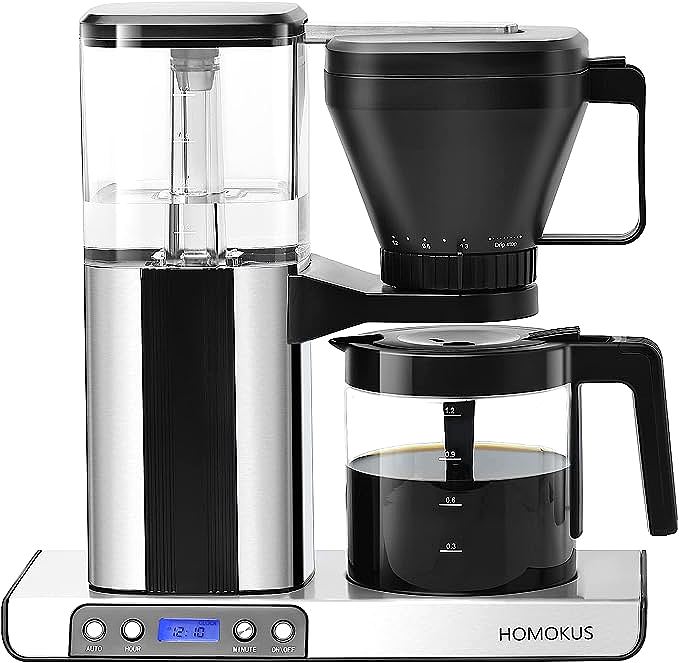
HOMOKUS NK-0655 Drip Guide: The Numbers That Decide the Cup

The Dashboard of Extraction: Using Visual Feedback to Master Espresso
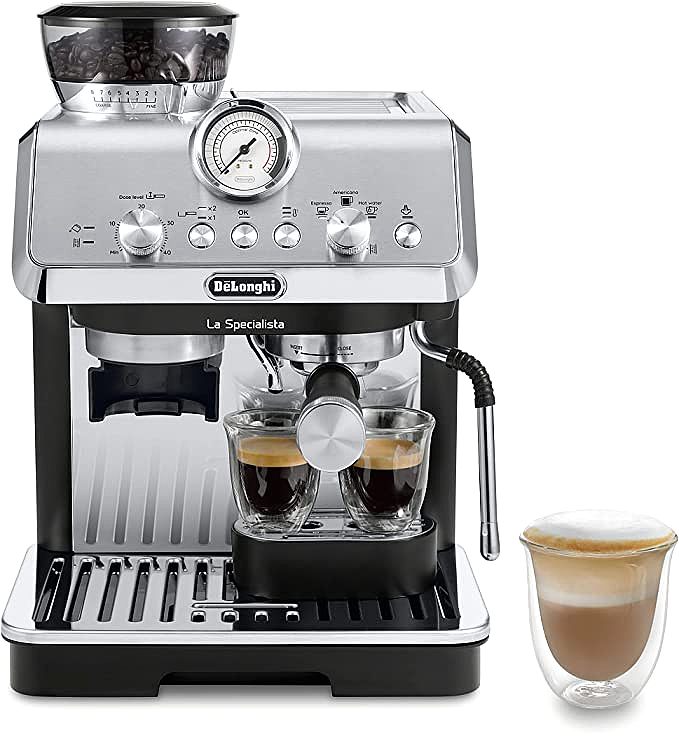
The Home Barista’s Handbook: Mastering Puck Prep and Extraction with the La Specialista Arte

The Unseen Science of Your Drip Coffee Maker: From a Simple Filter to a Perfect Brew

Roter Mond Programmable Coffee Maker: Wake Up to Perfect Coffee Every Time

Stop "Cooking" Your Coffee: The Thermodynamics of the BLACK+DECKER Thermal Carafe
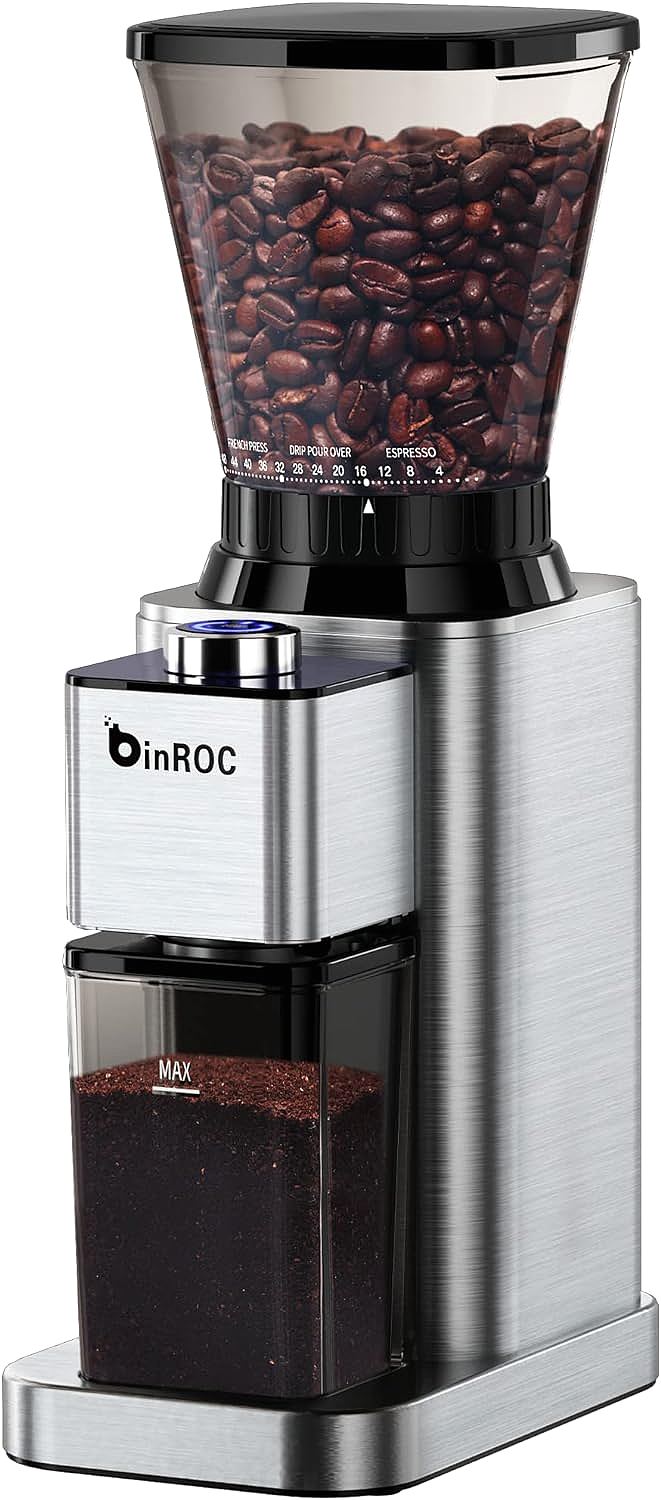
The Invisible Force: Electrostatics, Friction, and the Cleanliness of Extraction

STAR WARS LSW-1177B Dual Brew Coffee Maker: Your Daily Dose of the Force

The Surprising Science in a Simple Coffee Maker: A Deep Dive
