Gaggia Babila Super Automatic
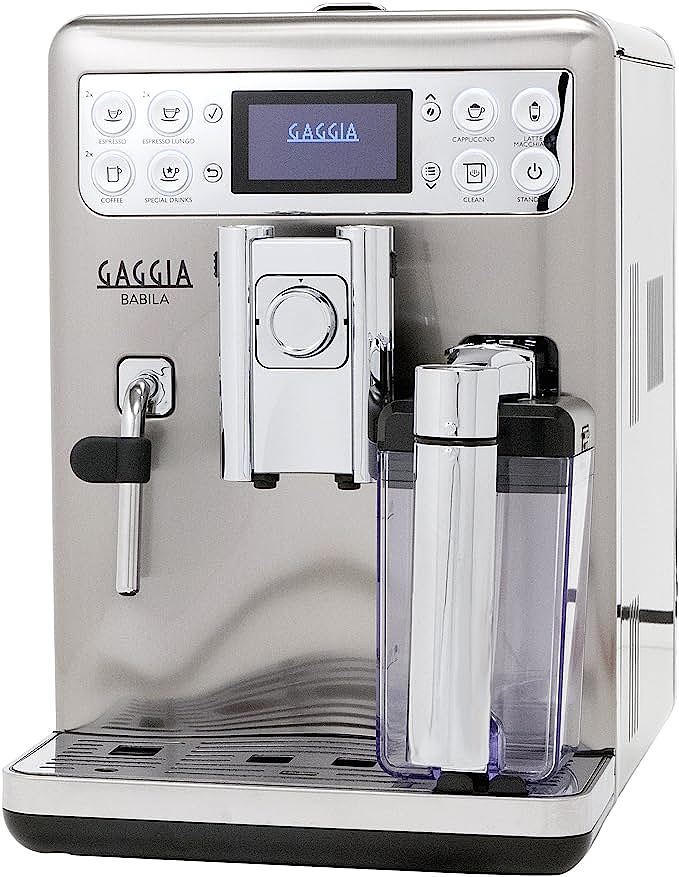
Gaggia Babila Super Automatic
Gaggia Babila Super Automatic is the product this guide examines.
Gaggia Babila, Cafe Espresso at the Touch of a Button
A super automatic espresso machine that pulls a shot at the touch of a button is the product this guide examines. The pump reaches a 15 bar ceiling, and the 18 g dose is the mass the grinder drops. The body is a 1.8 kg shell, and the 8 inch width is the footprint the cafe quality brew buys.
The grinder and the button
The grinder drops a 18 g dose into the basket, and the button starts the 45 second cycle. That dose and that window are the two numbers that set the auto brew, and the 15 bar pump is the part that earns the shot. The 1.8 kg body and the 8 inch width are the frame, and the 1400 w element is the part that heats the 1.1 L reservoir.
The 15 bar and the shot
Pressure tops out at a 15 bar ceiling, and the shot settles at a 30 ml yield. Those two numbers set the extraction, inside the earlier 45 second window. The 1.8 kg body holds the 54 mm basket, and the 8 inch width is the footprint the portafilter clears.
The steam and the froth
The steam wand holds a 65 deg C temperature, and the 200 ml pitcher is the part that catches the froth. That auto brew is what the froth follows, and the element that warmed the reservoir is the part that earns the shot. Those two numbers set the froth, and the same element holds the steam steady. The 1.8 kg body sits on the counter for the froth, and the 8 inch width is the footprint the pitcher clears.
The 1400 w element
Heating falls to the 1400 w element, which warms the 1.1 L reservoir for the 45 second cycle. Those two numbers set the brew temperature, and the 93 deg C point is the one the element holds. The 1.8 kg body sits on the counter for the element, and the 8 inch width is the footprint the 1400 w clears.
The cup math
Counter space is the first constraint, and the 8 inch width is the number that clears the shelf. The earlier ceiling and the earlier yield are what the counter buys. The same dose and the same cycle repeat for each cup. Three sizes span the 8 oz cup, the 12 oz shot, and the 16 oz latte, each sharing that same cycle. In the morning, the reservoir fills and the body stays on the counter through the whole cycle.
The numbers that matter
The reservoir holds the earlier 1.1 L amount, and the element warms it across the earlier cycle. The earlier dose and the earlier shot are the two numbers the routine spans, and the pump earns the shot between them. The 16 oz latte and the 12 oz shot are the two sizes the counter buys, and the earlier cycle is the window each size shares. The grinder drops the earlier dose, while the 54 mm basket holds the puck. The steam wand holds the 65 deg C for the froth, and the 200 ml pitcher sits under the wand. Heating holds the earlier wattage for the whole cycle, while the reservoir feeds the whole brew. The 1.8 kg body and the 8 inch width are the frame the routine keeps. The research note behind this record carries the classic 1:2 pump ratio, so the dose and the yield travel as a pair.
Reading the numbers
The reservoir and the 12 oz shot are the two sizes the counter works with, and the earlier cycle is the window each one shares. The pump reaches the earlier ceiling, and the shot settles at the earlier yield. The element is what heats the water for the brew, and the width is the footprint the routine keeps. The steam wand holds the 65 deg C for the froth, and the 200 ml pitcher sits under the wand. Three sizes span the 8 oz cup, the 12 oz shot, and the 16 oz latte, each sharing the earlier cycle. In the morning, the reservoir fills and the body stays on the counter through the whole cycle. The research note sets pump extraction near 9 bar, against 0.9 to 1.1 bar for a stovetop pot.


The sheet to remember
The counter buys the earlier width and body, and the 16 oz latte sits under the spout. The routine spans the earlier dose for the basket, and the earlier shot pours into the cup. Heating holds the earlier wattage for the whole cycle, while the reservoir feeds the whole brew. A super automatic espresso machine that pulls a shot at the touch of a button is the product this guide examines.
A daily rhythm on a super automatic
A gaggia espresso machine of this size asks for a short routine rather than a long one. The reservoir is filled at the start of the day, the hopper is topped with beans, and the element brings the water up to the 93 deg C brew point while the grinder is still settling. The first shot of the morning is the one that tells you whether the grind is right, because the earlier dose and the earlier yield are the two numbers that decide it. A pour that runs past that same window means the grind is too fine, and a pour that finishes early means the grind is too coarse. The 54 mm basket is where that adjustment shows up, so a small turn of the dial is enough to bring that yield back into range.
The steam half of the routine is the part that changes the most from one drink to the next. A 65 deg C wand and a 200 ml pitcher are the two pieces the froth depends on, and the 1400 w element is what holds that temperature steady through the earlier cycle. A pitcher that starts cold pulls the froth temperature below the 65 deg C target, while a wand that is purged after each pour keeps milk from baking onto the tip. The 200 ml capacity is the size that lets a single 65 deg C pass stretch across a 16 oz latte, which is why the counter keeps the pitcher within reach of the wand.
The 1.1 L reservoir and the 1400 w element set the working day. The reservoir carries the 15 bar pump through a morning of back to back shots, and the 1400 w element is the recovery between them. A machine this size wants a descale on a monthly cadence, and the 1.1 L tank is easy to pull and rinse because it sits at the back of the 1.8 kg body. The 8 inch width is what decides whether the whole routine stays on the counter, and the 54 mm basket is the part that is emptied after every brew. For a gaggia espresso machine that runs this cycle each morning, the 45 second window is the one number to keep in mind.
Gaggia Babila Super Automatic
Related Essays

Decoding Your Daily Brew: Mastering the De'Longhi Magnifica Smart (ECAM23260SB)
CASABREWS 3700Pro-02 20 Bar Espresso Machine: Barista-Quality Coffee at Home
Empstorm CM8501B-N Espresso Machine: Your Home Barista Secret
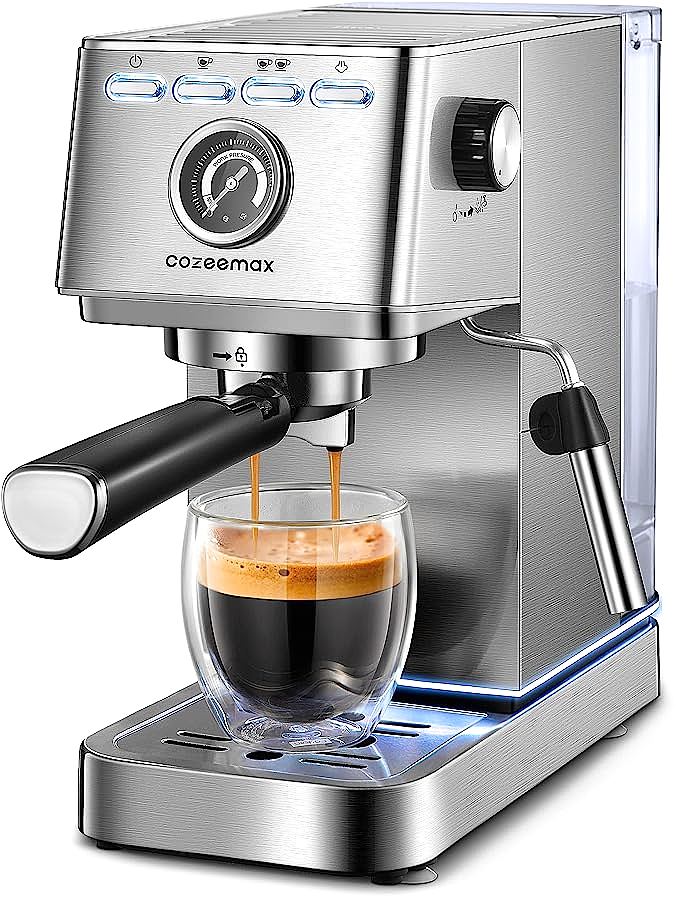
Yabano VES1050 Espresso Machine: Barista-Quality Coffee at Home
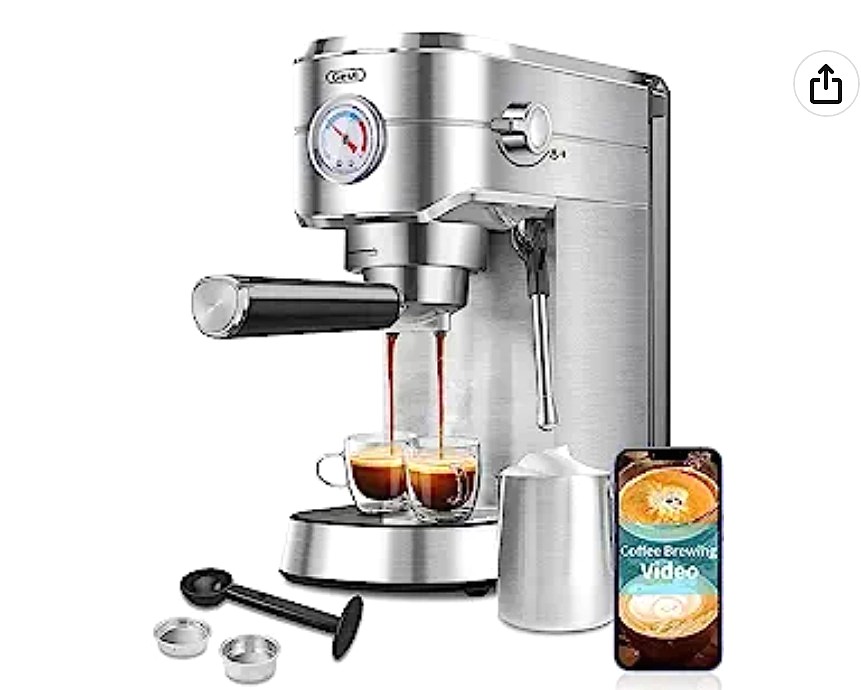
Gevi E418E 20 Bar Espresso Machine: Barista-Quality Coffee at Home
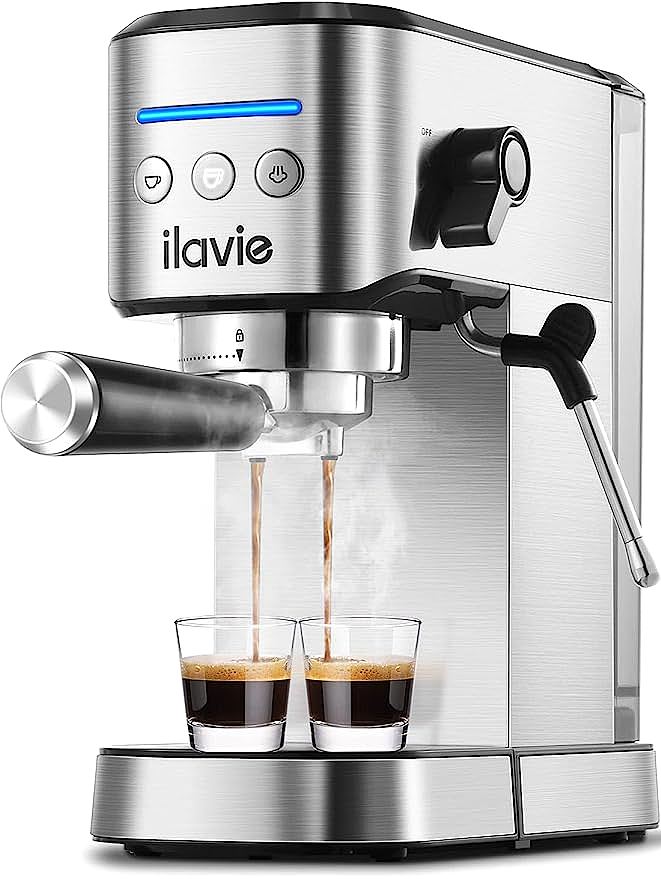
ILAVIE CM-5060 Espresso Machine: Barista-Quality Coffee at Home
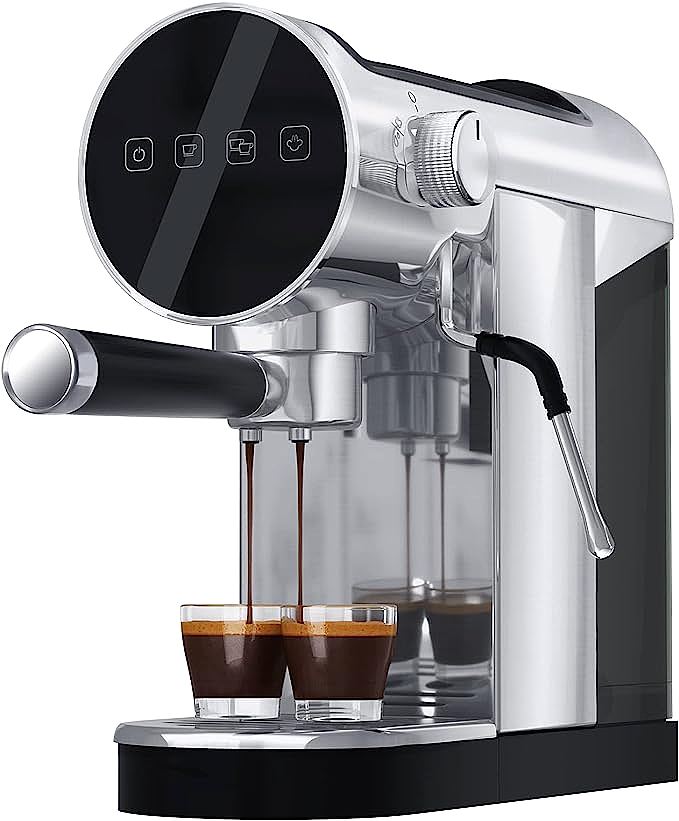
skyehomo Modern 20 Bar Espresso Machine: Brewing Barista-Quality Coffee at Home

Mixpresso Dolce Gusto Machine: Your Gateway to Italian-Style Coffee at Home
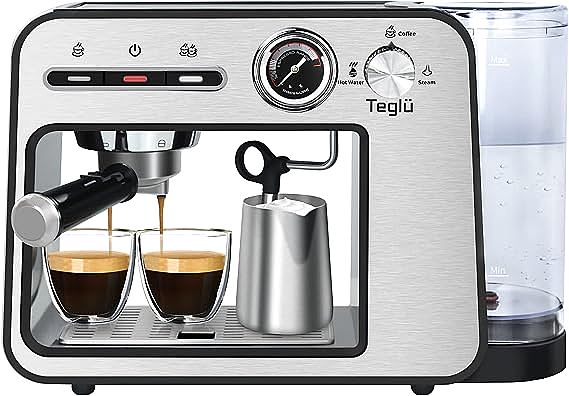
Teglu ST-693B Espresso Machine: Your At-Home Barista for Perfect Coffee