Siroca SC-A211 Guide: Bean-to-Cup, Explained

Siroca SC-A211
How a Bean-to-Cup Brew Works, and What the Siroca SC-A211 Does
The Siroca SC-A211 coffee maker is a fully automatic machine, and the all-in-one idea is the whole pitch: it grinds the bean, extracts the shot, and hands the cup to the glass server on the counter. For a household that wants the grind-to-brew step without buying a burr grinder and a separate dripper, one case covers both jobs. It listed at 162.08 dollars when this guide was checked against the Amazon listing on 2026-10-23, and the value sits in the physics underneath, because a single case replaces the two standalone units a manual setup needs.
Freshness is the first act
Freshness starts at the burr stage, which pulls whole bean from the hopper and meters a dose just before the grind. A burr grinder shears the bean into a steady size band; a blade unit chops it randomly, so the water finds the fines and skips the coarse pieces and the cup comes out muddy. This unit's burr stage covers both drip and espresso styles, and the dose it meters decides the strength before the water ever touches the coffee. Holding the dose near 60 g for a drip pot is the same discipline a separate grinder and scale would demand, only here the machine does it without the scale.
Grind size sets the window
For a drip-style cup the target is a medium grind near 0.8 to 1.1 mm, with the water running through in 8 to 10 minutes at 93 to 96 deg C. Read the adjustment off the clock rather than the dial: a brew that finishes under 6 minutes is too coarse and thin, and one past 12 minutes is too fine and bitter. The good window sits near a 1:15 to 1:17 ratio, which means the machine's 60 g dose wants a 0.9 to 1.0 liter pot rather than a brimming one. The hopper holds about 250 g of bean, which is four full pots at that dose, so a daily pot means a refill every fourth day.
Pressure does the espresso work
The listing publishes no pump rating and no brew temperature for the SC-A211, so treat the pressure and heat figures here as the band a bean-to-cup machine has to hit rather than as a spec sheet claim. The espresso side leans on the pump, which carries headroom well above 9 bar and meters the brew down near 9 bar at the group. A 36 g shot off an 18 g dose at a 1:2 ratio should land in 25 to 30 seconds: the finer grind, the higher pressure, and the shorter time all have to move together, which is exactly why the automatic machine earns its place, because it holds the pressure and the timing without you watching a scale through the whole pull. Keep the 1:2 ratio and the 25 to 30 second window and the shot stops tasting sour and starts tasting like the bean instead of a flat espresso.
Whole bean is the fuel
The per-cup cost is the honest number to compare, and two of the inputs are market assumptions rather than listing data: a 250 g bag near 14 dollars and a cafe cup near 5 to 6 dollars. At those prices a bag works out to about 14 espresso doses of 18 g, or four drip pots at 60 g. That puts a drip pot near 3.50 dollars of coffee, roughly 70 cents for a 200 ml cup, while the machine itself is the 162.08 dollars the listing showed. One pot a day for a year is about 1,280 dollars of beans; the same five cups a day at cafe prices runs to roughly 10,000 dollars, and the gap is the whole argument for buying the bag instead of the paper cup.
A dedicated pump still wins a purist's shot
A dedicated pump out-pulls the home box on a purist's espresso, and it will not make the strongest shot a standalone 9 bar unit pulls at its finest. What it does is remove the separate grinder and the separate dripper from the counter and hand you a grind-to-cup step that lands in the right band. If that convenience is worth 162 dollars against a grinder plus a dripper that cost more and take more space, the Siroca SC-A211 coffee maker pays for itself in the minutes it saves each morning. It is one case doing two jobs, and that is the trade it makes on a small counter. By the listing's own dimensions the case is compact: 10.6 in high, 8.7 in long, 6.8 in wide and 4.9 lb under model A211, part number SC-A211, which is the footprint that keeps the two jobs on a single counter.

Keeping the brew path clean
The grind stage is the part that rewards a short cleaning ritual. The brew unit, the filter basket, and the drip tray all lift out, and most of them take a dishwasher pass, which is the fastest way to keep the burr path clear of the stale oil that dulls the cup. The water side wants a monthly descale with citric acid near 2 percent, so the mineral build-up that narrows the flow does not creep into the dose. After the wash the rubber seals should sit dry, because a damp funnel channel is where mold forms and the next pot picks up the smell. Hold those two rhythms and the machine keeps the same medium grind for months instead of drifting toward a thin cup.

The glass server and the thermal question
Choosing between the glass build and the thermal build comes down to how long a pot has to stay drinkable on the counter. The glass server shows the level at a glance and holds a fresh pot warm for the first 30 to 40 minutes on its plate, which covers a household that drinks most of its pot inside that window. The thermal server keeps the cup hot well past that mark at the cost of the sight-line, so you stop reading the level from the front. Neither build changes the grind or the dose, since both run the same medium band near 0.8 to 1.1 mm and the same 60 g pour, so the decision lands in how long the coffee sits on the counter rather than in what the shot delivers.
Setting the grind dial and the strength control
Calibrate the dial against the brew time instead of the numbers printed beside it. Start a drip pot a few stops coarser than the espresso setting you like, grind, and read the clock: a full 0.9 liter pot should drain in 8 to 10 minutes, so move one stop finer each time a pot finishes early. For espresso, keep stepping finer until the 36 g shot lands in 25 to 30 seconds; short of that the shot runs sour, past it the shot runs bitter and thin. Where the machine exposes a strength setting, read it as a dose multiplier rather than a roast: one step up meters more grams into the same water, which pushes the 1:15 to 1:17 band toward the strong end and cuts the cup count per pot. If the brew temperature can be set, hold it in the 93 to 96 deg C drip band unless the cup tastes scorched, and drop a few degrees there before you touch the grind.
Siroca SC-A211
Related Essays
Philips Saeco Xelsis: Mastering the Science of Perfect Coffee at Home
La Reveuse Hipresso: Your Gateway to Barista-Quality Coffee at Home
Ninja DCM201BK Coffee Maker PRO: Brewing Science for the Perfect Cup
Unlocking Coffee's Secrets: The Science Behind the Krups R453-42 Pro Aroma

Braun KF5650BK Pure Flavor Coffee Maker: Your Guide to Perfect Coffee at Home

From Milanese Steam to Microprocessor: The Scientific Heritage of the Gaggia Accademia Espresso Machine
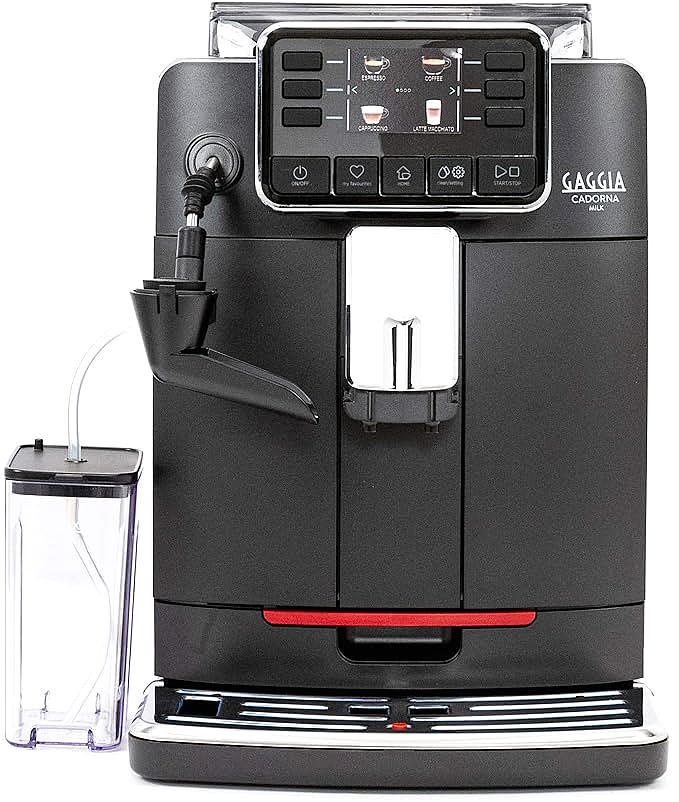
Gaggia Cadorna Milk: Your One-Touch Solution for Barista-Quality Coffee at Home

Maestri House CM1068T-UL: Unlock Perfect Coffee with Precise Temperature Control

Gevi GECMA025AK-U: Mastering the Art and Science of Drip Coffee
