Moka Pot Beans and Grind: Matching the Basket, Not the Espresso Bag

Bialetti Moka Express Stovetop Espresso Maker
A moka pot earns its place on the stove by doing a great deal with very little: steam pressure, a small flame, and a basket of ground coffee. The design has barely moved since 1933, when Alfonso Bialetti invented the pot that still carries his name and the little gentleman with the moustache on its side. What it cannot do is rescue coffee that fights its shape. Most disappointing brews trace back to the coffee rather than the hardware, and the repair usually lives in the bag, not in a new pot.
Hardware takes the blame more often than it deserves. A harsh, scorched cup usually means hot water stalled in a bed of grounds that sat too fine for the pressure behind it. A thin, sour cup usually means water raced through grounds that were too coarse, or through beans that had been open on a shelf for months. The Bialetti Moka Express, the pot most kitchens picture when they hear the word moka, makes a useful reference point through all of it, because the machine rewards predictable inputs and exposes bad ones quickly. Six small cups per brew, 18 g of coffee at a time, and no electronics anywhere in the loop: the fewer the variables, the faster a bad cup points at its cause.
This piece follows the coffee from the bag to the basket. Grind comes first, roast second, freshness third, and last the short routine that ties the three together. The pot stays the same throughout, and that is the point behind the habit: change one input at a time, and each cup shows what the change did.
Why the espresso bag sends moka drinkers the wrong grind
Shelves sort coffee by brew method, and a bag marked espresso is ground to powder because that is what a pump machine wants. A pump machine drives water through the puck at 9 bar, and a dense, fine bed gives that pressure something to push against. A stovetop pot runs on a gentler scale. Steam lifts water through the basket at roughly 1 bar to 2 bar, and a powder-fine bed chokes it. The water stalls, the metal keeps heating, and the coffee that finally climbs the stem tastes burnt and harsh. The gap between 9 bar and 2 bar is the whole story of moka coffee, and every grind choice downstream answers to it. Each of the six small cups the pot yields also wants a brew that wraps up in about 4 minutes of gentle heat, not a long stall at full flame.
The label on an espresso bag describes a grind built for a pump, not for steam. A grinder at home makes whole beans the better pick, and coffee sold as moka or stovetop grind lands closer to what the pot can move without complaint.
What a good grind for a moka pot should feel like
A moka pot grind lands coarser than espresso and finer than drip, and that band decides whether water crosses the basket at a steady pace or stalls where it sits. Charts help as a starting point, and fingers judge the rest. Rub a pinch of grounds between finger and thumb, and read the texture before the pot ever goes on the stove.
The target feels like table salt or fine sand, with a little grit left at the end. Powder smears and clumps, and a bed that fine will stall in the basket. Dry-rice coarseness slides and scatters, and water will find a path through it in seconds. A medium-fine texture sits between those two extremes, holding together lightly when pinched and breaking back into grains when the hand opens. A burr grinder makes the target easy to hold: something near the espresso end of the range but 2 or 3 clicks coarser, adjusted by taste rather than by the numbers printed on the collar.
The basket wants a level fill and nothing more. Spoon grounds in until the basket is full, level the surface with a finger, and leave it alone: no pressing, no tamping, no mound scraped flat with force behind it. A pressed bed is the most common self-inflicted problem in moka brewing, because it closes the gaps water needs, and the pot answers by stalling. For the 6-cup basket, a level fill lands somewhere in the 18 g to 20 g range, a number worth knowing for anyone who weighs doses to keep weekday mornings consistent, and the same weigh-in keeps the batch inside the 4 minutes of gentle heat the brew wants.

Roast level, and how much it changes the cup
Roast level shapes what the basket can pull out, and the moka tradition grew up around darker profiles for a reason. In Italy the classic pairing runs medium-dark to dark, with Robusta sharing the bag alongside the Arabica; many traditional recipes land somewhere in the 10% to 30% range for that second bean. Darker, more porous roast lots give up their sugars quickly during the pot's short, hot brew, and the cup that results is the one people mean when they describe stovetop coffee: heavy body, dark chocolate, toasted nuts, and a bite that drip drinkers notice right away.
Medium roasts sit in the friendliest spot for most kitchens. They keep more of the bean's own character, fruit and caramel and nut, while staying soluble enough for steam pressure to do its work, and they hold up when milk joins the cup. Light roasts are the harder setting. Dense beans hold their flavor back, and a fast stovetop brew can leave the cup sour and thin; drinkers who favor them often start the pot with water already heated, so the grounds spend less time waiting for the brew to begin.
Roast also changes the weight on the scale. A bean that enters the drum comes out roughly 15% to 20% lighter, mostly water and gases driven off in the roast, and those same reactions are what make a dark bean so easy to extract. Many home roasters write the loss down as a percentage of the green weight, which is one more number a notebook can hold next to the grind setting. It also explains why a 250 g bag of a dark roast holds fewer beans than the same bag of a light one, and why the basket treats the two so differently in the same session.
Fresh beans, pre-ground bricks, and the clock
Freshness decides how much of the roast survives to the basket. Whole beans hold their aromatics inside cell walls, and grinding breaks those walls open; from that moment the clock runs. Pre-ground coffee stales faster once the bag is open, because every particle already sits exposed to air, and a bag opened 6 weeks ago has already given up more than most drinkers expect.
The vacuum-sealed bricks on Italian shelves are a different animal. They are ground and packed with stovetop brewing in mind, the texture stays consistent from bag to bag, and they keep for months while the seal holds. For someone who wants the same cup every morning without owning a grinder, a brick built for moka is a reasonable answer.
For anyone with a grinder, beans ground just before the pot goes on win on aroma and on the foam that forms at the top of the brew. Buy in sizes that match the pace of the pot, too. A 250 g bag runs about 13 brews in a 6-cup basket, and a bag that sits open for 2 months loses more than one replaced every few weeks. Grinding 18 g at a time, pot-side and fresh, is the cheapest upgrade a moka habit can take.
One shortcut belongs in the bin, not the basket: brewed grounds do not get a second run. The first brew takes the sugars, acids, and oils; what stays in the puck is fiber and the harsh compounds that never dissolved, and a second pass pulls those straight into the cup.

A stovetop routine that protects the cup
Good moka coffee is mostly a matter of timing, and the Bialetti Moka Express reads like a checklist of that timing. Fill the base with water up to the safety valve and no higher, and start with water that is already hot if mornings are tight. Add grounds to the basket, level them with a finger, and skip the pressing. Screw the halves together firmly, set the pot on a burner that stays under the base rather than licking up the sides, and wait for the sound to change.
The first drops usually show up within a few minutes, with the clock set by the burner and by how warm the water was at the start. When the brew begins to gurgle and the flow turns pale and sputtering, coffee is done: take the pot off the heat and pour. A minute more on the flame only adds bitterness, and a pot left to boil dry punishes the batch and the gasket both. The Bialetti Moka Express gives no finer signal than that sound, and it has outlasted every timer trick for that reason. Six small servings land in cups inside the same 4 to 5 minutes of gentle heat, and they cool to drinking temperature faster than any mug of drip.
A weekday brew
On a Tuesday morning, the whole routine takes a few minutes from kettle to cup, and almost none of it asks for attention. Water into the base, grounds into the basket, a light level with a finger, the top screwed on. The pot goes onto the small burner, and the kitchen belongs to someone else until the sound shifts from a simmer to a gurgle. That shift is the one moment that decides the cup. Off the heat now, not after the inbox, not after the flow runs pale.
The 6-cup size sits in the middle of the family, big enough that one brew covers a small household and small enough that it heats through without dragging. A 3-cup pot suits a solo drinker, and a 9-cup wants a wider burner and more patience, which is why the middle size keeps ending up on stoves. The box labels this size at 270 ml, so one brew cycle fills about six small espresso cups of roughly 45 ml each, small servings by drip standards and exactly the point of the method.
Sizes, cleaning, and the valve that sets the fill line
Sizes are measured in espresso cups rather than mugs, so a 6-cup pot pours six small cups, and the same coffee can be split into larger containers. The natural silver 6-cup model keeps the classic look, an aluminum body with the ergonomic handle the listing calls out, and its octagonal profile stands about 8 inches tall with the lid on, small enough to live next to the kettle.
The Moka Express anchors the line, and the 6-cup natural silver model is the classic listing to start from. A few details on that page decide how the pot lives on a stove. It is made in Italy, which keeps the body and the spare parts true to the original design. It works on gas and electric burners, and on induction only with the Bialetti induction adapter plate, a separate purchase worth knowing about before the first brew. And the patented safety valve sets the fill line for the base: water goes in up to the valve and no higher, which is the same rule the brewing steps open with. The design has held its shape since 1933, and the spare gaskets and valves that keep an older pot alive are still on the shelf, which says something about how long the habit lasts.
Cleaning a Bialetti Moka Express without soap
Cleaning takes less time than heating the water. Rinse the parts in warm water after each use, dry them, and put the pot away. Detergent is off the list and so is the dishwasher: soap strips the layer that seasons aluminum, and a machine cycle can dull the finish and leave a taste in the brews that follow. A soft cloth reaches everywhere the coffee goes, and the valve and gasket appreciate the same quick rinse. Gaskets and valves age with use, and a pot that sees one brew a day usually wants fresh ones every 6 months or so; the parts cost little and screw back in by hand.

What to change first when the cup turns bitter
When a brew goes wrong, the pot is rarely the answer. Work through the variables in order of cost. Coarsen the moka pot grind by a notch and taste the next cup; if the bitterness fades, the grinder was the problem. Time on the heat comes after that, because a brew left too long over-extracts even good grounds, and 1 extra minute is enough to turn a sweet pot harsh. Then open a fresher bag, since stale coffee tastes flat no matter how carefully it is brewed. The pot stays last on the list, and for most drinkers it never makes the list at all.
One change at a time, one cup at a time. The Bialetti Moka Express Stovetop Espresso Maker has been the reference pot for this method since 1933, and the coffee side of the equation has held steady just as long: a moka pot grind, a roast with enough development to give up its sugars, beans that still smell like beans, and a pot that comes off the heat the moment it starts to gurgle.
Bialetti Moka Express Stovetop Espresso Maker
Related Essays
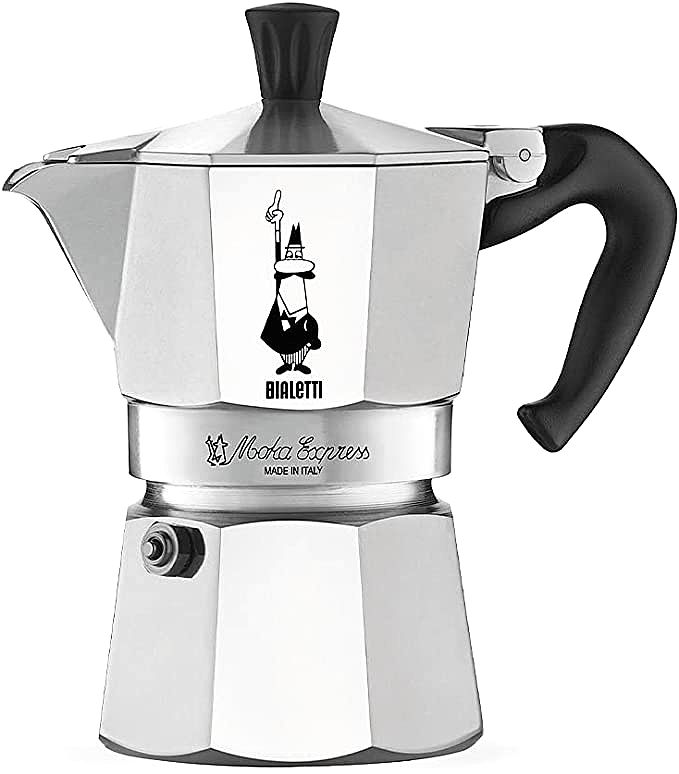
The Little Engine of Flavor: Deconstructing the Science and Soul of the Bialetti Moka Pot


Alessi Moka Pot Guide: Design Meets Pressure Brewing
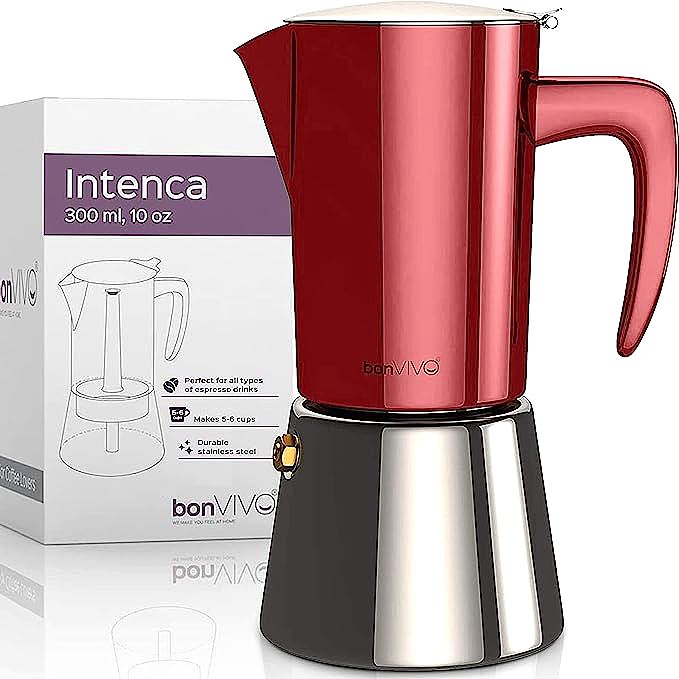
bonVIVO Intenca Stovetop Espresso Maker: A Practical Guide to Heat, Pressure, and Flavor

Why the Metal in Your Moka Pot Matters: A Guide to Stainless Steel Espresso
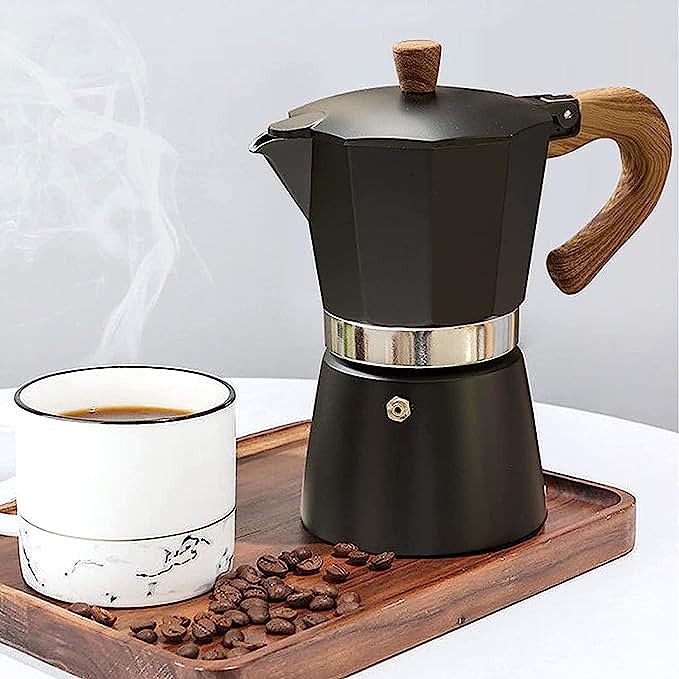
The Physics of Flavor: Deconstructing the Moka Pot
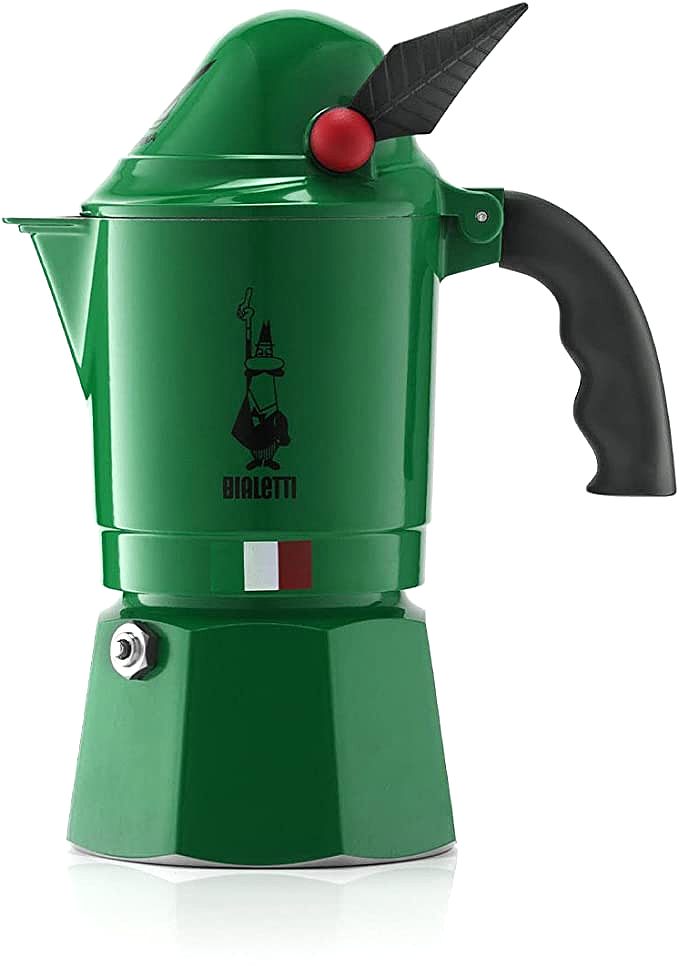
Bialetti Moka Express Alpina: a green three-cup moka pot

Induction stovetop espresso maker: the Bialetti Venus 6-cup on a magnetic hob

Dominican Greca Coffee: Cafecito Brewing Steps and Pot Care
